REVIEW · ADELAIDE
Flinders Ranges 5-Day Small Group 4WD Eco Tour from Adelaide
Book on Viator →Operated by SA Eco Tours and Australian Private Tours & Charters · Bookable on Viator
Five days in a 4WD carves the Flinders. This Flinders Ranges 4WD eco tour is built around off-road country, big geology you can actually see, and guided time on foot when the views are best—plus optional scenic flights if you want even more sky-time. With guides like Mick or Steve, the day-to-day feel is part driving, part storytelling, and part wildlife spotting.
I love that it mixes iconic spots with hands-on context: you get chances to look for yellow-footed rock-wallabies, and you’ll also hear what the land means to local Aboriginal communities. Another big plus is the small-group cap of 16 people, which keeps the pace flexible when someone spots wildlife or wants a better photo angle. One consideration: it’s not a sit-on-a-coach trip—there’s a moderate amount of walking, and you’ll be riding on rougher terrain during the 4WD segments.
In This Review
- Key things to know before you go
- Flinders Ranges 4WD eco tour: what makes it different
- Price and value: what $2,506.77 covers
- Getting there from Adelaide: pickup and the daily rhythm
- Quorn start: classic outback town + a coastal warm-up
- Blinman Mine and the view from above: pick your moments
- Arkaroola Wilderness Sanctuary: ridge-top 4WD and the yellow-footed chance
- Brachina Gorge walking + Iga Warta community context
- Wangara Lookout early walk: sounds of the bush and a slow exit
- Optional scenic flights: who should add them
- What you’ll learn (and how it shows up in the day)
- Gear, fitness, and small practical details that matter
- Who this tour fits best
- Should you book the Flinders Ranges 4WD eco tour?
- FAQ
- What time does the tour start in Adelaide?
- How many people are in the group?
- What meals are included?
- Is pickup included?
- Do I need to walk on the tour?
- Are scenic flights included?
- What luggage can I bring?
- What are the height and fitness requirements?
- What happens if the weather is poor or the tour can’t run?
Key things to know before you go
- Small-group pace (max 16 people): more room to stretch your legs and less crowding at lookouts.
- Geology you can feel: you’ll be moving through ancient terrain described as dating back 1.6 billion years.
- Wildlife focus at Arkaroola: strong odds of rock-wallabies plus other outback sightings.
- Aboriginal community visit (Iga Warta): you get cultural context and hands-on artefacts during the day.
- Optional scenic flights: if you want a bird’s-eye view, you can add it as an extra.
- Moderate walking: plan for some walking along trails and for early starts.
Flinders Ranges 4WD eco tour: what makes it different
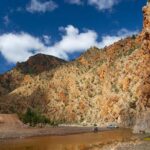
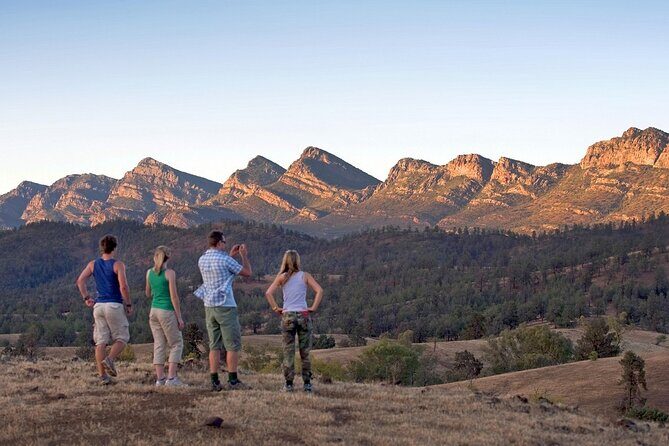
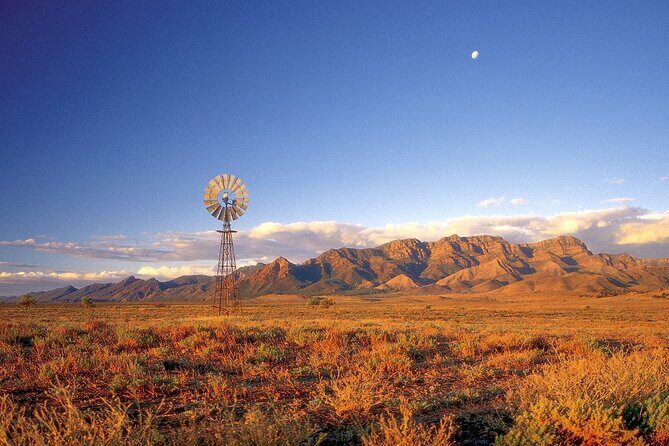
This isn’t just a loop of famous lookouts. The whole point is getting into the Flinders Ranges in a 4WD so you can reach places normal buses can’t, then stepping out when it makes sense. You’ll climb over rock-studded ground and work your way through country tied to some of Australia’s oldest geology—described as around 1.6 billion years—so the scenery has a sense of scale that’s hard to get any other way.
The eco angle matters most in how the guide frames the experience. You’re not only looking at “pretty views.” You’ll also learn how local Aboriginal communities describe the region, and you’ll visit the Iga Warta Aboriginal community to see artefacts up close. That combination—movement, walking time, and cultural interpretation—adds weight to the trip beyond photos.
Other Flinders Ranges and outback tours reviewed in Adelaide
Price and value: what $2,506.77 covers
At $2,506.77 per person, this sits in the higher end of day-trip-free outback tours. The value shows up in a few concrete places, not hype.
First, you’re paying for access and transport. The key experiences lean on 4WD driving and a small-group setup (16 people max), which usually means your guide can plan routes around conditions and wildlife sightings instead of running a rigid script.
Second, you’re not carrying the meal math. The tour includes 4 breakfasts, 2 lunches, and 2 dinners. That’s a real benefit in the outback, where food options are limited and “quick convenience stops” can cost more than you expect.
Third, you’re paying for guiding time that’s tuned to the region. The tour highlights include wildlife, geology trails, and community storytelling—all meant to add meaning, not just distance covered.
If you’re the kind of traveler who wants a fast checklist, this price might feel steep. If you want a guided outback experience with the best chance of seeing wildlife and learning the “why,” it starts to look like a fair trade.
Getting there from Adelaide: pickup and the daily rhythm
The trip starts at 101 Franklin St, Adelaide SA 5000, with a 7:30am start and ends back at the same meeting point. That matters because a lot of outback tours run early for practical reasons—cooler mornings, better visibility, and time for walking before the heat stacks up.
The daily pace is built around long driving days and scheduled stop-time. Expect a full day outdoors around each major highlight, with time for photo pulls, short walks, and guided interpretation. Your fitness needs are listed as moderate, and there’s a note about a moderate amount of walking—so plan on being comfortable with uneven ground and trail sections rather than assuming it will be mostly flat.
Quorn start: classic outback town + a coastal warm-up
Your first major stop is Quorn, a historic township with outback buildings and a real sense of “settled life” beyond the open ranges. What I like about starting here is the contrast. You get a break from the car and a chance to orient yourself—then the tour slowly ramps up toward harsher, more remote country.
On the way, you’ll pass through older coastal towns including Port Wakefield and Port Germein. Port Germein is noted for having the longest wooden jetty in the Southern Hemisphere. Even if you only get a quick look, it’s a neat reminder that this trip is a full-region journey: coast history flows into the outback story.
Quorn also helps you read the days ahead. Once you see the architecture and feel the town atmosphere, the later outback stops land better. You notice what has been built, maintained, and adapted for survival in South Australia’s extremes.
Blinman Mine and the view from above: pick your moments

Next you head into the region around Blinman, with a focus on a heritage mine site. This day is built around getting your bearings from scenic lookouts. The tour description emphasizes clean air, solitude, and bird’s-eye views—so I’d treat this as your “zoom out” day.
Why it works: when you’re about to spend time on foot and in 4WD terrain, it helps to understand how the ranges sit in the broader area. The lookouts do that fast. You also get the chance to slow down and watch light change across the rocks and ridgelines, which is when the Flinders start to look different than they do from road-level.
The mine visit ties the scenery to people and work. Even if you’re not a mining-history fanatic, the value is in the context: the outback isn’t only about nature. It’s also about human activity and how communities used the land.
A few more Adelaide tours and experiences worth a look
Arkaroola Wilderness Sanctuary: ridge-top 4WD and the yellow-footed chance
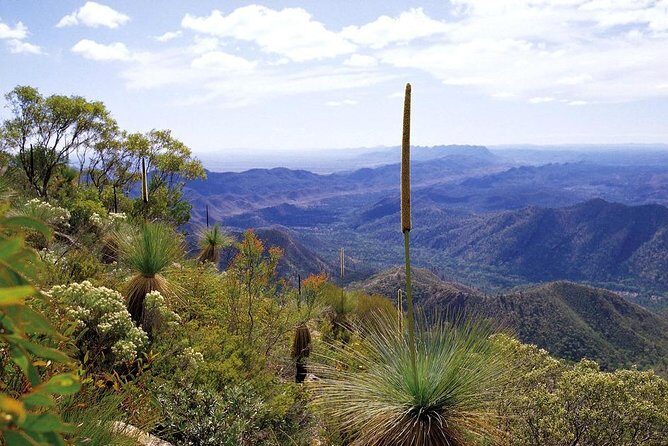
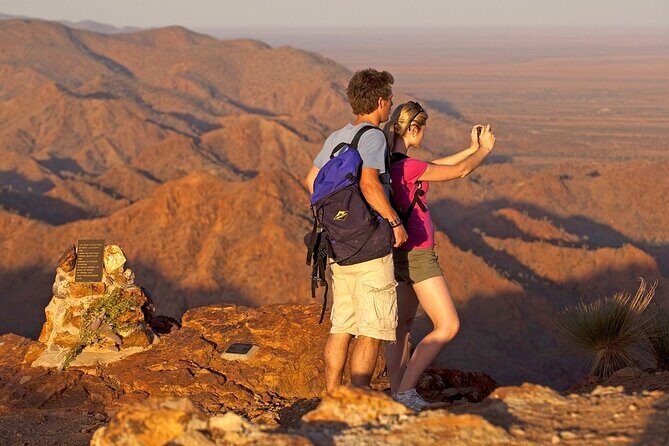
If you want one day that feels like “this is why I paid for a 4WD tour,” it’s the Arkaroola Wilderness Sanctuary segment. It includes a 4WD Ridge Top tour to Siller’s Lookout, with steep terrain handled carefully by the guide.
What to expect: the best views here come from being in the right place at the right elevation. You’ll be dealing with uneven ground and climbs, but the plan is to get you to the point where the horizon opens up.
Wildlife is a big part of why Arkaroola is on the highlights list—especially the chance to see yellow-footed rock-wallabies. I can’t promise sightings every time (outback wildlife is never scheduled), but this is one of the more direct wildlife-focused stops on the whole trip.
Also note how the day mixes driving with viewpoint time. That keeps it from feeling like you’re just buckling up and bouncing along. The goal is to get you onto ridges and then let you enjoy what you came for.
Brachina Gorge walking + Iga Warta community context
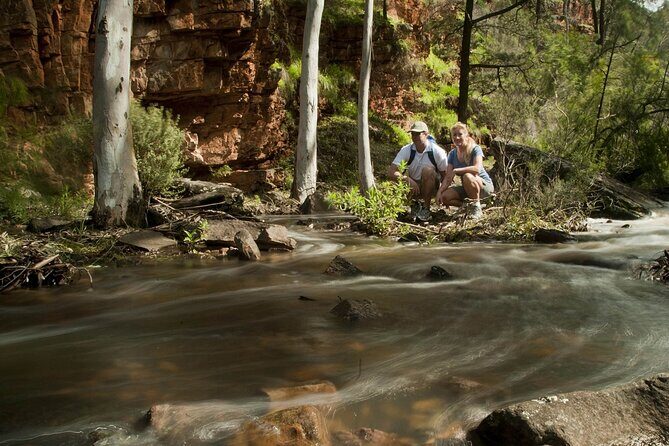
This is the day that adds meaning to the photos. You’ll spend time at Brachina Gorge Geological Trail, which is designed for walking and close-up viewing of the area’s physical features. If you like the feeling of reading a place with your own eyes—rock forms, erosion patterns, and how the gorge changes in depth—this is where you get it.
Then you’ll meet the Iga Warta Aboriginal community and see a collection of local artefacts. That’s a key part of the value here. You’re not just hearing generic “culture talk.” The format includes direct contact and artefacts, which helps you understand the land as something more than scenery.
Practical note: because there’s moderate walking, wear shoes that handle rocky surfaces. Also, bring a layer even if it’s warm, because canyon areas and gorge walks can change the feel of the air quickly.
Lunch is included on this day as well, which helps you keep energy up during the walking time.
Wangara Lookout early walk: sounds of the bush and a slow exit
Your last highlight is Wangara Lookout, starting with an early morning walk. The tour description calls out listening to the unique sounds of the Australian bush—one of those moments that’s simple, but also easy to forget in a busy trip.
This is a smart way to end. After a lot of driving and concentrated stops, the early walk gives your day a calmer start. You also get a chance to see the Flinders after the light has had a chance to soften and shift, which can make colors feel more subtle and natural.
After that, you’ll travel back to Adelaide along the eastern side of the Flinders. Even if you’re tired by then, the return ride has value: you can notice how the terrain changes from what you saw earlier in the week.
Optional scenic flights: who should add them
The overview mentions optional scenic flights, and that’s a good add-on for two kinds of travelers. If you love aerial views and want a different way to understand distances, it can be worth it. If you just know you’ll never be back in this part of South Australia, the flight becomes a “once-in-a-while” memory maker.
For everyone else, the land-based route already does the job: you have 4WD access, ridge viewpoints, and walking time. So the flight is about preference, not fixing a missing piece.
What you’ll learn (and how it shows up in the day)
This tour’s education isn’t sitting in a classroom. It shows up in how the guide connects what you see to how people understand the country.
You’ll hear stories tied to the region as you explore with your local guide and during the Aboriginal community visit. You’ll also get context around the heritage mine stop, which helps explain why certain areas have a history of human use.
And because you’re moving through the ranges by 4WD, the guide can point out geological features in the places where they actually appear. That’s how you start noticing patterns: how rocks behave on ridges versus near gorge lines, and how changes in elevation affect light and visibility.
If you care about learning in a practical way, this works well.
Gear, fitness, and small practical details that matter
Here’s what I’d plan for based on the tour info:
- Walking: there’s moderate walking, so comfortable shoes matter.
- 4WD comfort: expect long days and rougher terrain. Pack patience with your snacks and water.
- Luggage limits: you’re allowed a maximum of 1 suitcase and 1 carry-on bag. Oversized or excessive luggage may have restrictions, so ask ahead if you’re bringing something bulky.
- Height and fitness: minimum height is 1.4 meters (3.2 feet), and the tour says moderate physical fitness is needed.
- Diet needs: you should advise dietary requirements when booking.
- Mobile ticket: you’ll use a mobile ticket, and confirmation is received within 48 hours of booking (if availability allows).
- Service animals: service animals are allowed.
Also think about layers. Early mornings at lookouts and gorge walks can feel cooler than the midday driving.
Who this tour fits best
This works best if you:
- want real outback driving, not only paved-road sightseeing
- like wildlife chances and are okay with not seeing everything for sure
- enjoy guides who explain what you’re looking at, including Aboriginal cultural context
- can handle moderate walking
It may not suit you as well if you:
- want a fully relaxed, mostly seated experience
- dislike uneven ground or are very sensitive to rough terrain
- prefer free time with no set stops
One more thought: at $2,506.77, this is a trip you plan once. I’d match it to your travel style: if you like “hands-on, guided, and off-road,” you’re in the right lane.
Should you book the Flinders Ranges 4WD eco tour?
Book it if you want a guided small-group outback trip that combines 4WD access, wildlife opportunities like yellow-footed rock-wallabies, and cultural learning through the Iga Warta visit. The small group limit (16 people max) and the mix of driving, walking trails, and viewpoint time make it feel like more than a checklist.
Skip it or rethink if you know you’ll struggle with moderate walking, rocky ground, or long driving days. And if you’re only interested in quick photos, the price might feel hard to justify compared to simpler day tours.
If your dream trip is to get into the Flinders, see the ranges from ridges, and come away with more than scenery, this one is a strong match.
FAQ
What time does the tour start in Adelaide?
The tour starts at 7:30am and meets at 101 Franklin St, Adelaide SA 5000.
How many people are in the group?
This is a small-group tour with a maximum of 16 travelers.
What meals are included?
The tour includes 4 breakfasts, 2 lunches, and 2 dinners.
Is pickup included?
Yes, pickup is offered, and the tour ends back at the meeting point.
Do I need to walk on the tour?
Yes. The tour involves a moderate amount of walking, including time on trails such as a geological trail and an early morning walk.
Are scenic flights included?
Scenic flights are mentioned as optional. The listed inclusions do not show scenic flights, so treat them as an optional extra.
What luggage can I bring?
You’re allowed a maximum of 1 suitcase and 1 carry-on bag. Oversized or excessive luggage may have restrictions, so ask the operator if you’re bringing something large.
What are the height and fitness requirements?
There’s a minimum height requirement of 1.4 meters (3.2 feet) and a note that travelers should have moderate physical fitness.
What happens if the weather is poor or the tour can’t run?
This experience requires good weather. If canceled due to poor weather, you’ll be offered a different date or a full refund. It also requires minimum numbers; if it doesn’t meet the minimum, you’ll be offered an alternative or a full refund.