REVIEW · ADELAIDE
Adelaide to Coober Pedy 7-Day Small Group 4WD Eco Safari
Book on Viator →Operated by SA Eco Tours and Australian Private Tours & Charters · Bookable on Viator
Coober Pedy to Lake Eyre in one week sounds unreal. This 4WD small-group eco safari strings together coastal history, outback radio-silent roads, and big-name natural sights like Lake Eyre and the Flinders Ranges. I like that it’s not just sightseeing on a map; it’s built around places with real working stories, from opal mining to the old mail run relics.
Two standouts for me are the chance to experience underground Coober Pedy (underground churches plus an opal mine tour) and the sweep from the Oodnadatta Track into Lake Eyre country, where the land can change dramatically with weather. The second big plus is Arkaroola Wilderness Sanctuary in the northern Flinders, known for gorges, waterholes, and wildlife including the endangered Yellow-Footed Rock-Wallaby.
The main drawback to weigh is simple: long driving days and remote conditions. Expect moderate walking, dust and sun, and the tour needs good weather to run as planned—plus the essentials you’ll need (like insect protection and a water bottle) aren’t included.
In This Review
- Key moments you’ll remember
- A 7-day 4WD loop built for small groups (and real roads)
- Morning on the Spencer Gulf: Port Germain and the coastal warm-up
- Woomera and the rocket range: from the Explorer Highway to Lake Gairdner
- Coober Pedy underground life: churches, opal shops, and mine touring
- Lake Eyre and the Oodnadatta Track: a route with built-in suspense
- The Flinders jump: creek beds, Blinman red sands, and long-view outback
- Arkaroola Wilderness Sanctuary: gorges, waterholes, and the Yellow-Footed Rock-Wallaby
- Wilpena Pound, Brachina Gorge fossils, and Breakaways sunset timing
- Maree Old Mail Run relics and Clare Valley breaks
- Value check: is the $4,228.15 price fair?
- Weather, pace, and packing: how to make this week feel easy
- Who should book this Adelaide to Coober Pedy 4WD safari?
- Should you book it? A simple decision guide
- FAQ
- What time does the tour leave Adelaide?
- How many people are in the small group?
- Are meals included in the price?
- What stops does the tour include besides Coober Pedy?
- What should I pack for this tour?
- What happens if weather is poor?
Key moments you’ll remember
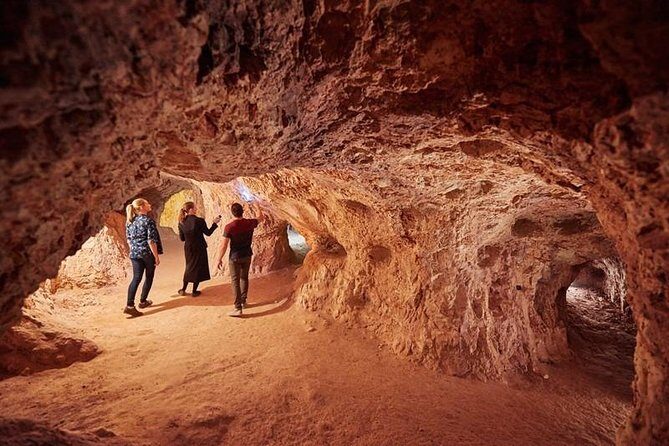
- Underground Coober Pedy: underground churches and guided opal mine touring in a town built to beat the heat.
- Woomera Rocket Range stops: a rare look at Australia’s military and space-era sites on the way north.
- Lake Eyre and the Oodnadatta Track: one of the world’s great “this place can surprise you” routes—especially if Lake Eyre happens to be wet.
- William Creek pub time: a real outback reset in a place that feels remote enough to make time slow down.
- Arkaroola Wilderness Sanctuary: rugged peaks, gorges, waterholes, and wildlife focus in the northern Flinders.
- Breakaways sunset plus fossils: a late-day view at The Breakaways, with Ediacaran fossils at Brachina Gorge as a science stop.
A 7-day 4WD loop built for small groups (and real roads)
This tour is designed for a maximum of 16 people, which matters out here. In the outback, fewer people means more room for the guide to keep things moving and for you to actually hear the stories behind each stop. You’ll also get a steadier rhythm than the big-bus style day tours.
You start from 101 Franklin St, Adelaide, with a 7:30 am departure. The itinerary is paced as roughly 12 hours on the road each day, so it’s closer to a road trip with scheduled sights than a gentle hop-from-hotel holiday. You can pack a maximum of one suitcase plus one carry-on, and oversized extras may be restricted—so plan light.
I also like the “Eco Safari” framing, because the value isn’t about fancy hotels. It’s about access: the ability to reach remote places like Lake Eyre country and move through the Flinders with the right kind of vehicle. If you’re the type who enjoys dirt roads and not having much cell service, this fits.
Other Flinders Ranges and outback tours reviewed in Adelaide
Morning on the Spencer Gulf: Port Germain and the coastal warm-up
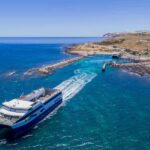
Day 1 is a coastal start, following the Gulf St Vincent and Spencer Gulf. You’ll stop in historical coastal towns and get a feel for maritime Australia before you head inland.
One highlight you can plan for is Port Germain, where you can walk down the longest wooden jetty in the Southern Hemisphere. That’s one of those stops that seems simple until you’re actually standing there—wood, creak, salt air, and a clear sense of why these towns mattered for shipping and fishing.
This first day helps you in two ways. First, you warm up to the tour’s travel pace. Second, it gives you a baseline of “civilization” (for South Australia, anyway) before you trade in the shore for the big outback distances.
Woomera and the rocket range: from the Explorer Highway to Lake Gairdner
On Day 2, you head north via the Explorer Highway with key stops on the way. The tour includes the Woomera Rocket Range and the old military base. If you’re curious about Australia’s high-tech past tucked into remote land, this is one of those chances you won’t get by accident.
You then reach a scenic break at the Lake Gairdner lookout. It’s a good mid-day anchor because it breaks the long drive with a chance to look out across the emptiness and reset your eyes.
Practical note: these are long outback distances. On days like this, it pays to have your comfort kit ready before you roll out—hat, sunscreen, water access (you bring a bottle), and a plan for dust. The more prepared you are early, the more you enjoy the later “wow” stops.
Coober Pedy underground life: churches, opal shops, and mine touring
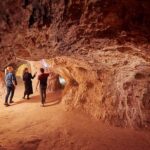
By Day 3, you’re in Coober Pedy, a town that turns heat and isolation into a lifestyle. The morning includes underground churches, opal shops, and displays, plus a guided mine tour.
Coober Pedy is famous for opals, but what makes it special is the engineering mindset. Underground spaces aren’t just quirky—they’re practical. Even if you only spend a short time underground, you’ll start to understand how people adapt when surface life is harsh.
I also love that the tour doesn’t treat Coober Pedy as one single photo stop. Instead, you get a mix: underground religious spaces, retail culture around opal, and a mine tour that connects the town’s identity to the work that supports it.
What to consider: mine touring and underground areas can mean uneven footing and stairs, depending on where you’re taken. Wear comfortable walking shoes and keep your expectations flexible. This is part of the charm here—less polished, more real.
Lake Eyre and the Oodnadatta Track: a route with built-in suspense
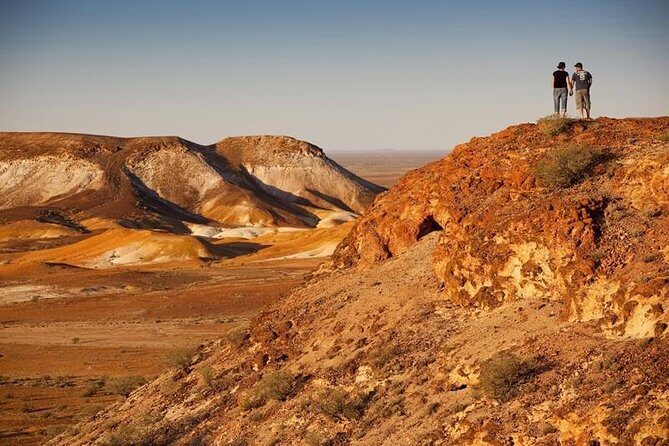
Day 4 is where the trip really sharpens. You continue the journey toward Lake Eyre via the Oodnadatta Track, following the historic route of the Cameleers. The tour frames this as a line of human movement through the desert—pioneering settlements and Aboriginal culture in the wider Lake Eyre region.
This is also where weather becomes more than a comfort issue. Lake Eyre is Australia’s lowest natural point, and when it fills, it becomes the largest lake in the country. That means your experience can vary. If the lake is dry, you’ll read the land differently—salt flats and distance. If it’s filled, the whole place can feel like a different planet.
You also include a remote stop at William Creek, plus the broader outback “in-between” moments like crossing remote country and doing a picnic lunch during the day. And based on the tour’s key features, The Dingo Fence is part of the experience too—one of those human-made lines across the land that helps you understand how people try to manage risk in vast places.
If you’re booking this for a specific photographic outcome (like seeing water), keep expectations adaptable. This tour is at its best when you enjoy the uncertainty and the scale.
Other multi-day Adelaide to Melbourne and Uluru tours reviewed in Adelaide

The Flinders jump: creek beds, Blinman red sands, and long-view outback
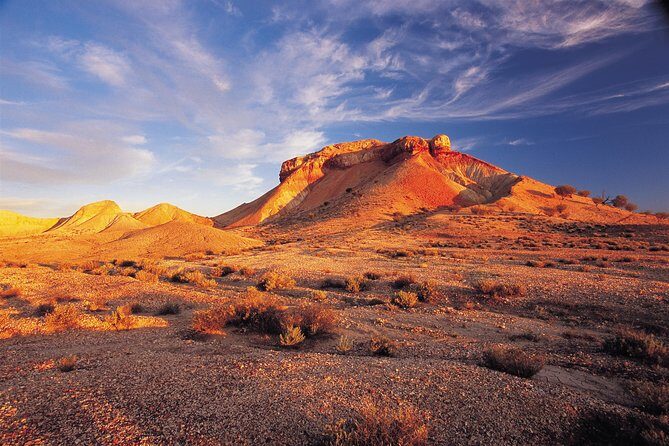
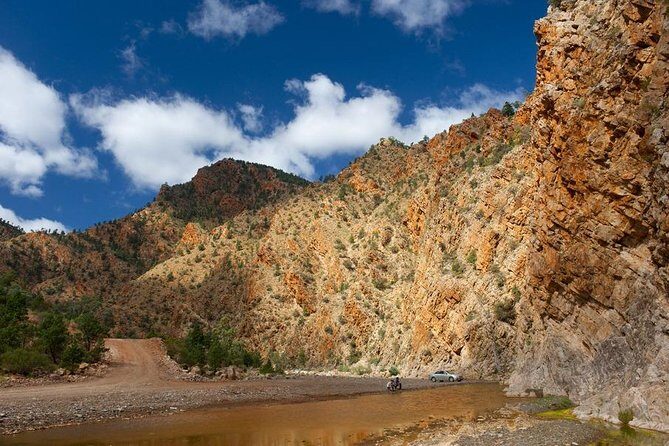
From Day 5 into Day 6, the route swings into the Flinders Ranges region. You cross areas linked to Lake Frome, with ancient creek beds that point toward a landscape shaped by water that comes and goes.
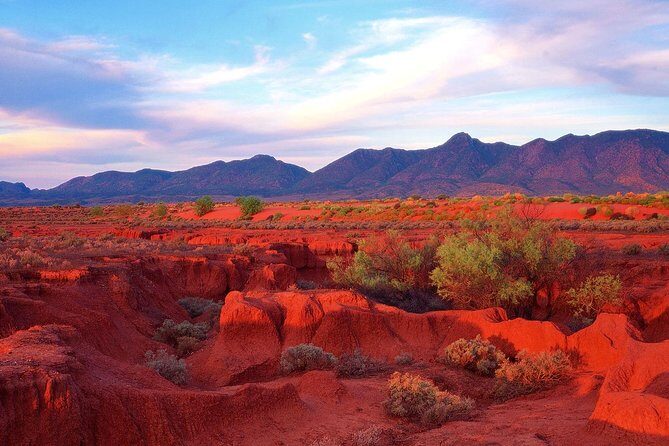
The itinerary includes moving through desert country and then shifting into older, more dramatic terrain. It’s a classic “wait, we changed worlds” feeling. You’ll also stop in Blinman, a town known for nearby viewpoints and the surrounding Red Sandhill country. That area is tied to thousands of years of sacred beliefs, so it’s worth slowing down and paying attention rather than rushing for just a single view.
This is also the part of the trip where your legs will start to feel it more. The walking is described as moderate, but outback walking isn’t like strolling a park. Sun, dust, and uneven ground add friction. Pack accordingly, pace yourself, and plan for the fact that the best photos often happen after you’ve already worked for them.
Arkaroola Wilderness Sanctuary: gorges, waterholes, and the Yellow-Footed Rock-Wallaby
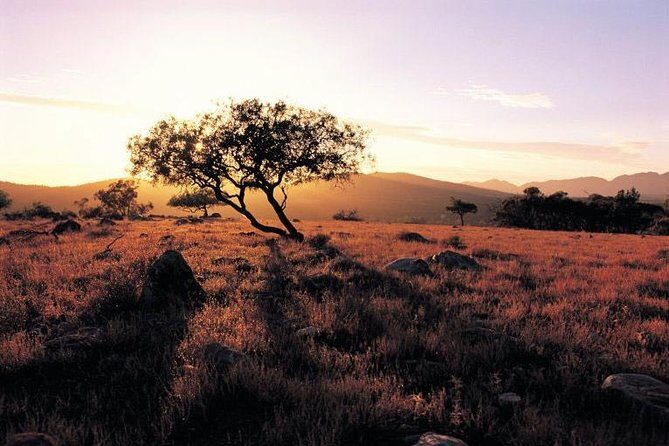
A major reason to consider this tour is that it includes Arkaroola Wilderness Sanctuary, north of Adelaide in the rugged northern Flinders. The description is vivid for a reason: you’re there for rugged mountains, towering granite peaks, gorges, and waterholes—and the wildlife that depends on them.
What makes this stop especially worthwhile is the wildlife emphasis. Arkaroola is listed as home to a range of birds, reptiles, and mammals, including the endangered Yellow-Footed Rock-Wallaby. Even if you don’t see every species, having a sanctuary base changes the way you interpret the terrain. You’re not just looking at rock—you’re looking for how life survives here.
You’ll likely get a mix of viewpoints and walking opportunities across this segment. Early and late light in the Flinders can turn a “nice view” into something you remember for years. And if you’re the type who enjoys short hikes and reading animal tracks or rock formations, this part rewards patience.
Wilpena Pound, Brachina Gorge fossils, and Breakaways sunset timing
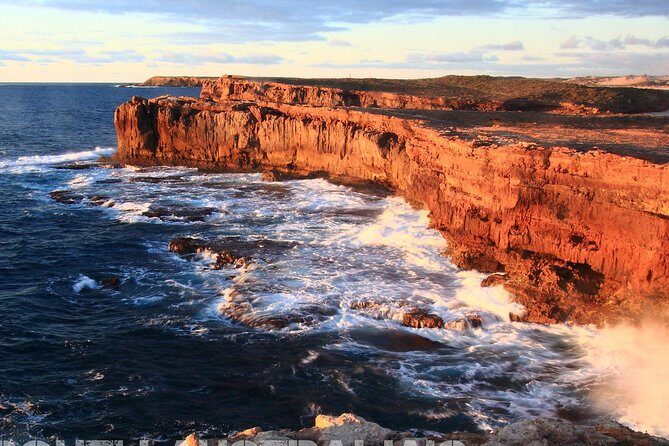
The tour features Flinders Ranges National Park and Wilpena Pound, plus Brachina Gorge Ediacaran fossils and sunset at The Breakaways. Put together, that’s a strong “geology plus scenery plus timing” combination.
Wilpena Pound is the signature bowl-shaped landform of the Flinders. It’s the kind of place that makes you feel small in the best way. Brachina Gorge adds another layer: the fossils of the Ediacaran period. That’s science you can see, not just science you read.
Then you finish a day with sunset at The Breakaways. These late-day moments work well on a 4WD safari because you’re already out there in the country. You’re not rushing back to a hotel at golden hour—you’re already set up to enjoy it.
One thing to keep in mind: sunset times mean you’ll probably be outside longer with limited shelter. Bring the warm layer(s) you’re responsible for packing, even in months when daytime feels warm. Desert-to-night temperature swings can surprise you.
Maree Old Mail Run relics and Clare Valley breaks
If you like the feeling of being in a place with layered stories, you’ll appreciate the inclusion of Maree Old Mail Run relics. That stop ties the trip to communication and travel routes that came before modern roads, where people and mail moved in tougher, slower ways.
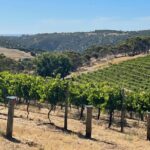
As you head back toward Adelaide, you also get Clare Valley in the mix. It’s a chance for a different pace after days of remote driving. You’re not on the coast anymore, but you’re stepping into a more human-scaled region before the trip ends.
Food-wise, the tour includes meals throughout: 6 breakfasts, 2 lunches, and 3 dinners. Breakfast is listed as continental, and there’s also pizza at a local Italian restaurant. That’s practical on a road trip, because it means fewer decisions and less time hunting for meals you may not find easily in small towns.
Value check: is the $4,228.15 price fair?
At $4,228.15 per person for a 7-day small-group safari, this isn’t a budget trip. The value comes from three things that matter in Australia’s outback:
First, you’re paying for 4WD access and long-distance routing across remote regions like Lake Eyre country and the northern Flinders. Second, it’s small group size (up to 16), which keeps the experience less chaotic. Third, meals are covered: breakfasts, lunches, and dinners are included, plus a specific restaurant meal (pizza), so you’re not constantly calculating day-by-day food costs.
That said, don’t ignore the “what you pay for” details. You’re responsible for key comfort items: warm clothing (long sleeves and pants), fly nets, insect repellent, a hat and sunscreen, comfortable walking shoes, and a water bottle. If you show up unprepared, you’ll pay with discomfort instead of money, and that’s not the trade you want on a week like this.
In other words: the price makes sense if you want a guided, all-in-one route through some of South Australia’s big hitters, and you’re ready to handle moderate walking plus long travel days without expecting full luxury.
Weather, pace, and packing: how to make this week feel easy
This experience requires good weather. If it’s canceled due to poor weather, you’ll be offered a different date or a full refund. Since the tour is designed for remote country, weather is also a “comfort and safety” factor, not just a photo factor.
The pace is another big piece. You’re out for long days, and road conditions are part of the deal. A practical strategy is to pack for the extremes:
- Bring layers for cool mornings and cooler nights.
- Protect against insects (fly nets and repellent are specifically called out).
- Use a hat and sunscreen every day.
- Bring a water bottle. It’s not included, and you’ll want it.
Also, remember the tour notes moderate fitness and moderate walking. That’s not a “race” vibe, but it’s not a sit-and-watch-it-all situation either. If you can handle uneven ground and some heat, you’ll be happy.
Who should book this Adelaide to Coober Pedy 4WD safari?
This tour is a strong fit if you:
- Want one week to cover coastal towns, Coober Pedy, Lake Eyre country, and the Flinders/Arkaroola without piecing it together yourself.
- Like guided interpretation—especially around opal mining, historic routes like the Oodnadatta Track, and sanctuary wildlife.
- Enjoy road trips and can handle moderate walking in remote areas.
It’s likely not the best match if you want a low-drive, short-walk, hotel-first vacation. This itinerary is about being out there, in the dust and distance, with the schedule setting the tone.
The good news: it’s built for groups that stay small, and the included meals reduce decision fatigue. That makes the logistics easier than doing it all independently.
Should you book it? A simple decision guide
I’d book this tour if your dream is a big South Australia week—Coober Pedy’s underground world, the drama of Lake Eyre and the Oodnadatta Track, and the northern Flinders with Arkaroola and Wilpena Pound. The included meals, small group limit, and serious driving access are what justify the price.
I’d pause and ask more questions if you’re very sensitive to long travel days, limited services in remote areas, or you rely on specific comfort items that you might not have on hand (because packing requirements are part of the plan). And because it’s non-refundable and can’t be changed, you’ll want firm travel certainty before you click confirm.
If that all sounds like your kind of week, you’re in for one of those trips that changes how you think about distance in Australia.
FAQ
What time does the tour leave Adelaide?
The tour starts at 7:30 am from 101 Franklin St, Adelaide SA 5000.
How many people are in the small group?
It’s a small-group tour with a maximum of 16 participants.
Are meals included in the price?
Yes. The tour includes 6 breakfasts, 2 lunches, and 3 dinners, plus pizza at a local Italian restaurant.
What stops does the tour include besides Coober Pedy?
The tour includes highlights such as Woomera Rocket Range, Pt Augusta / Wadlata Outback Centre (listed as a feature), William Creek, Lake Eyre, Arkaroola Wilderness Sanctuary, Flinders Ranges National Park, Wilpena Pound, Brachina Gorge Ediacaran fossils, The Breakaways sunset, Dingo Fence, Maree Old Mail Run relics, and Clare Valley.
What should I pack for this tour?
Bring warm clothing (long sleeve tops and pants), fly nets, insect repellent, a hat and sunscreen, comfortable walking shoes, and a water bottle. Toiletries (including towels) are not included.
What happens if weather is poor?
The tour requires good weather. If it’s canceled due to poor weather, you’ll be offered a different date or a full refund.