REVIEW · ADELAIDE
7 Day Adelaide to Uluru Adventure and Cultural Tour
Book on Viator →Operated by Untamed Escapes · Bookable on Viator
In This Review
- Adelaide to Uluru: one trip, three worlds of Australia
- Key highlights worth planning for
- The big idea: why this route works (and who it’s for)
- Day 1: Adelaide at 5:30 am, Wirrabara, Arkaroo Rock, and Wilpena Pound
- Flinders Ranges on foot: Wangara Lookout and Warren Gorge in real time
- Coober Pedy: turning travel fatigue into underground wonder
- Day 4’s red-dirt run: Kanku–Breakaways and the Dingo Fence
- Kings Canyon Rim Walk and Uluru-Kata Tjuta arrival: two icons, two moods
- Walpa Gorge, the Cultural Centre, and Uluru sunrise: culture meets the light show
- Price and included value: what your $1,108 really buys
- What to pack and how to set expectations for sleeping, hiking, and heat
- Should you book this Adelaide to Uluru tour?
- FAQ
- Where does the tour start and what time does it begin?
- What’s the group size for this Adelaide to Uluru tour?
- Is pickup included?
- What is included in the tour price?
- Is Field of Light included?
- What fitness level do I need?
- How far in advance can I cancel for a full refund?
Adelaide to Uluru: one trip, three worlds of Australia
You’ll feel the outback start before dawn. This 7-day Adelaide to Uluru Adventure and Cultural Tour pairs serious red-soil scenery with hikes, Aboriginal storytelling, and overnight stays that range from open-air stars to underground digs in Coober Pedy. It’s a fast-moving route through the Flinders Ranges, the Red Centre, and the otherworldly middle of Australia.
I especially liked two things: the Aboriginal-led experiences (including guided stops and the park Cultural Centre), and the hands-on way the trip gets you moving—walks like Arkaroo Rock, the Kings Canyon Rim Walk, and Walpa Gorge aren’t just optional side quests. A possible drawback is the early start (it kicks off at 5:30 am) and the fact you’ll be on your feet for several days, so pack for heat and bring a “moderate fitness” mindset.
If you want a comfortable, slow sightseeing loop with lots of downtime, this won’t be your match. But if you like small-group travel, real time in parks, and being outside for most of the day, it’s a great format—done at a pace that feels like an outback story unfolding.
Key highlights worth planning for
- Small group (max 20 travelers) keeps the vibe friendly and helps walks feel more personal
- Storyteller guide + Aboriginal culture focus shapes the trip, not just the scenery
- Coober Pedy underground stay at Radeka Downunder turns the “heat problem” into a weird, memorable experience
- Kings Canyon Rim Walk delivers long views and classic red rock drama
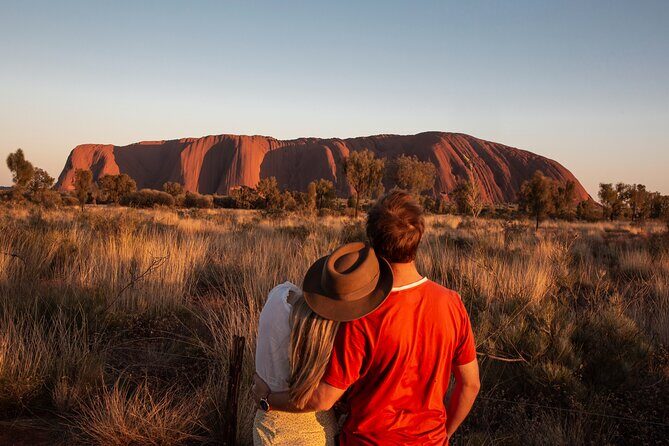
- Uluru sunrise and Walpa Gorge give you two different kinds of sacred outback “wow”
- All national park and entrance fees included helps you budget without surprise add-ons
Other multi-day Adelaide to Melbourne and Uluru tours reviewed in Adelaide

The big idea: why this route works (and who it’s for)
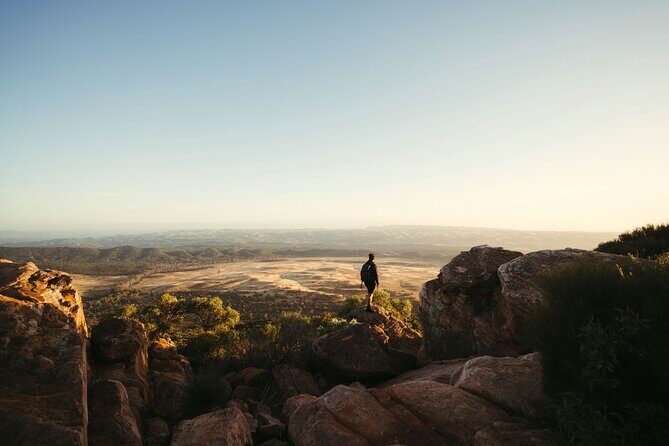
This isn’t a “drive-by the highlights” tour. You travel from Adelaide toward the Red Centre in a group capped at 20 people, and you spend real time in three main zones:
- Flinders Ranges for hikes and Aboriginal Country introductions
- Coober Pedy for an underground night and opal-country history
- Watarrka/Kings Canyon and Uluru-Kata Tjuta for iconic walks and cultural moments
That matters because it changes what you remember. Instead of just photos, you get walking time, camp time, and guided context that helps the places make sense. The tour also includes a storyteller guide, plus breakfasts (6) and dinners (3), so you’re not constantly solving where to eat during long travel days.
You’ll enjoy this most if you:
- like early starts,
- don’t mind sleeping outdoors some nights (the tour experience centers on camping, including swag-style nights as described in the feedback),
- and want your budget to stay controlled thanks to park fees included.
Day 1: Adelaide at 5:30 am, Wirrabara, Arkaroo Rock, and Wilpena Pound
The tour starts at YHA Adelaide Central (135 Waymouth St) at 5:30 am. Yes, it’s early. But that early departure is part of the value: you’re out of the city while most people are still in the next sleep cycle. After a quick morning caffeine stop, you head north to Wirrabara, a sleepy starting point that feels like a gear shift from everyday life to outback pace.
Then comes Arkaroo Rock in Adnyamathanha Country. This is set up as more than a walk: it’s a 3.2 km trail through native bush that ends at a rock shelter with ochre and charcoal art. That kind of stop is where the tour’s tone clicks. You’re not just looking; you’re learning how to read the place.
In the afternoon, you arrive at Wilpena Pound, which becomes your base for the night. You meet a local Yura guide, welcomed to Country with stories shared in Yura Ngawarla. After a day that starts in darkness and ends in a huge amphitheatre of rock, that guided cultural layer is what makes the first day more than a scenic warm-up.
One practical consideration: Day 1 includes a long travel day before your night in Wilpena, so you’ll want to manage energy from the start—simple things like eating well and not overloading your pack matter.
Flinders Ranges on foot: Wangara Lookout and Warren Gorge in real time
Day 2 is built around walking and context. After breakfast, you head into Flinders Ranges National Park for the Wangara Lookout Hike, a 7 km return route starting at the Wilpena Pound Visitor Centre. It’s described as weaving through Pound Gap, with shade and river red gums towering overhead—so it feels more than “just heat and rock.” The walk also gives you that sense of being inside a natural amphitheatre, where the distances feel bigger than they do from the car.
Next is Warren Gorge. You explore Old Wilpena Station, tying early pastoral life to ancient Adnyamathanha Country. After that, the day moves toward Hawker for lunch and more stops before the evening travel.
This day is valuable because it hits two different ways of seeing the Flinders:
- on-the-ground walking that shows scale and texture, and
- guided stops that connect people, land use, and meaning.
If you’re someone who loves “I walked there” memories, this is the kind of day you’ll keep replaying.
Coober Pedy: turning travel fatigue into underground wonder
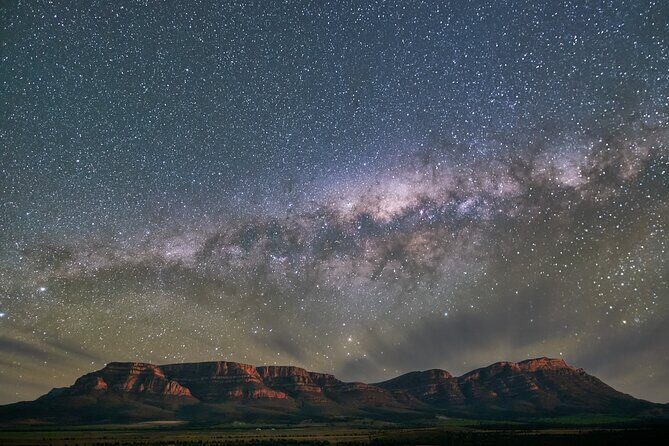
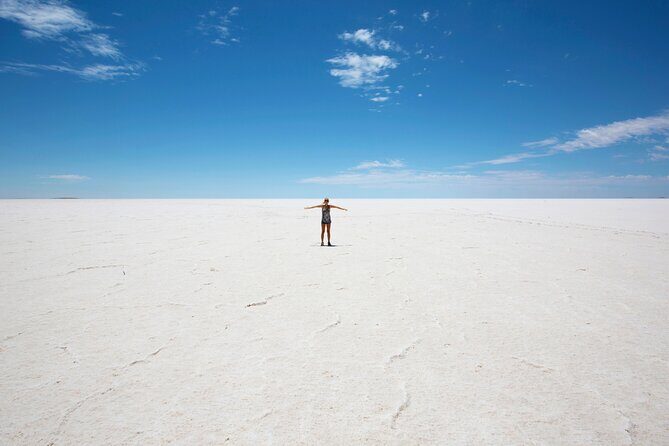
On Day 3, the vibe shifts as you leave the Flinders behind and head deep into the South Australian outback. You stop at Lake Hart along the way, then roll north through broad open space—long drives that can feel monotonous on some itineraries, but here they’re used to bridge between big experiences.
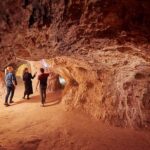
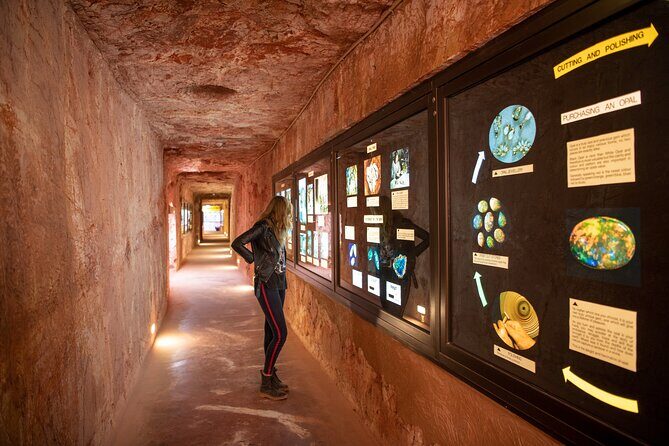
Then it’s Coober Pedy, the opal capital of the world. The tour first stops at the Old Timers Mine for a crash course in how opals form and for a walkthrough of original underground mine spaces. That’s a useful “primer” because it helps you understand what you’re seeing once you’re underground.
After that, you check in at Radeka Downunder, with rooms carved into rock to escape the desert heat. This is one of the strongest parts of the whole trip because the accommodation becomes part of the story. In Coober Pedy, you’re not just sleeping somewhere; you’re living with the local solution to climate.
Then you get time to explore the town on your own. If you like oddball travel moments (pizza in a cave, underground streets, the whole surreal feeling), Coober Pedy usually delivers.
Tip for you: even if you’re not sleeping outdoors on this night, the change in temperature between day heat and night air can still surprise you. Pack for layers.
Other historical tours in Adelaide
Day 4’s red-dirt run: Kanku–Breakaways and the Dingo Fence
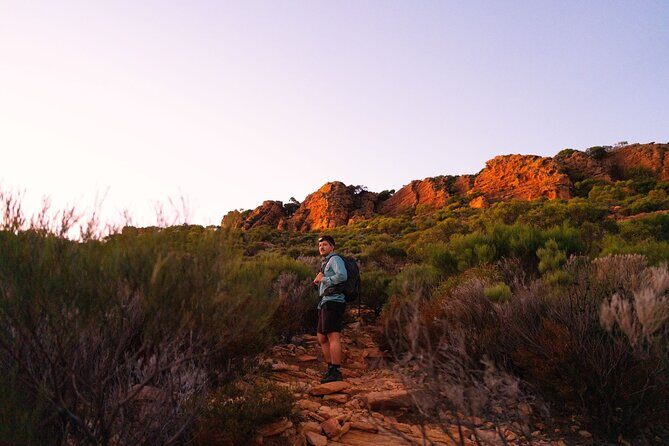
Day 4 is a big drive day, and it’s also one of those “Australia feels huge” moments. You head north through red dirt and big sky, past the Dingo Fence—described as the world’s longest dog barrier. Then you reach Kanku–Breakaways Conservation Park, a stop timed for the kind of wide, otherworldly views that make you understand why people call the Red Centre space “big sky.”
Crossing into the Northern Territory is part of the shift too; you’re moving through country that changes feel as much as geography.
By late afternoon you arrive at Kings Creek Station, your desert base for the night. This “arrive and settle” structure matters because it gives you a real rest window before the classic walking day ahead.
The main tradeoff of a drive day: you’ll want to keep yourself comfortable. Bring sun protection, water discipline, and something for long stretches (music, downloaded content, a good hat).
Kings Canyon Rim Walk and Uluru-Kata Tjuta arrival: two icons, two moods
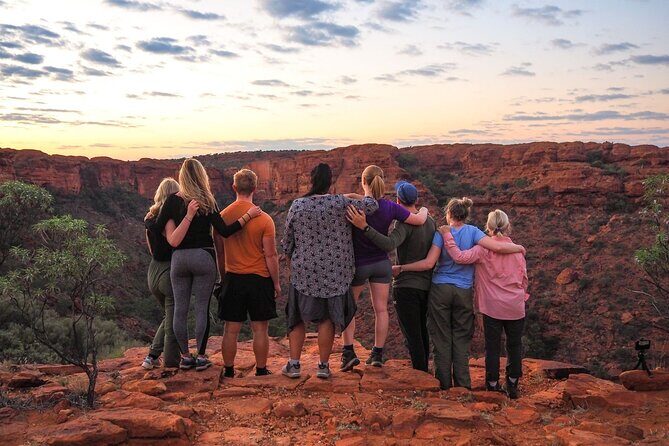
Day 5 starts early, because the payoff is real. The Kings Canyon Rim Walk is a 6 km loop with towering sandstone cliffs, ancient domes, and views in every direction. If you’ve heard people talk about Kings Canyon, this is the walk they mean. It’s described as the straight-up legendary highlight for the day, and it fits with how the area is built: your body moves upward, and the views expand outward.
After that, you head toward Uluru-Kata Tjuta National Park. You arrive after lunch time, with the day structured so you get red-centre scenes while taking a breather on the bus. Late afternoon brings you into the sacred heart of Australia—Uluru-Kata Tjuta National Park.
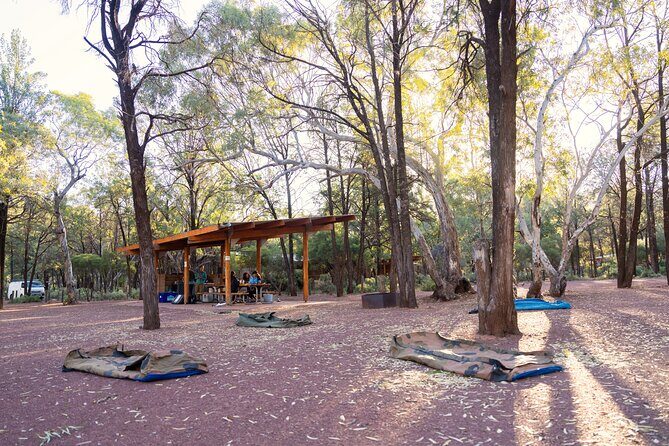
That evening, you stay at Ayers Rock Campground, and the tour centers the experience on sunset. You get camp dinner (included), then you sleep under the stars in swag-style camping as part of the outback night rhythm. This matters because Uluru isn’t only about the daytime hike. It’s about the changing light, and the way the air cools down as the rock glows.
Consideration: if you’re sensitive to nighttime cold or dislike outdoor sleeping conditions, plan for that now. The tour’s format assumes you’re good with camping life.
Walpa Gorge, the Cultural Centre, and Uluru sunrise: culture meets the light show
Day 6 is all about deepening your understanding and your walking. You go into Kata Tjuṯa for the Walpa Gorge Walk—a 2.6 km trail into towering red rock walls and a quieter kind of outback silence. The description notes that Walpa is named after the local word for wind, which helps you listen for the environment rather than just look at it.
Before lunch, you get your cultural moment at the Uluru Cultural Centre. This is where you learn more about the Aṉangu way of life and the meaning behind powerfully place-based knowledge. Even if you’ve visited Uluru before, this kind of guided cultural orientation tends to change how you interpret what you see afterward.
That night, the tour includes an Outback BBQ (own cost). It’s a chance to slow down, share stories, and feel the group connect with a sky full of stars.
Day 7 starts with an early Uluru sunrise. You watch the desert wake up as sunlight shifts Uluru’s colors and stretches long shadows. Then you get time up close—so you’re not just viewing from a distance. This is where you get that stillness that people talk about, but you’ll only get it if you’re physically there at the right moment.
Price and included value: what your $1,108 really buys
At $1,108.14 per person, you’re paying for a route that includes far more than transportation. The price covers:
- All activities and experiences
- All national park and entrance fees
- A storyteller guide
- 6 breakfasts and 3 dinners
That matters because park costs and guided experiences in Australia’s big conservation spaces can add up fast—especially on an itinerary that includes multiple national parks and long drives. Here, you don’t have to constantly calculate what’s extra.
There are a couple of things that are clearly not included:
- A transfer bus between Yulura (Ayers Rock) and Alice Springs is listed as something you’d need to arrange by inquiry directly.
- Field of Light is optional at A$50.00 per person.
If you want to control your budget, that’s the right kind of “optional, known cost.” The tour is transparent about it rather than surprising you later.
Finally, this tour averages being booked 67 days in advance, which hints at steady demand for this exact Adelaide-to-Uluru combination. If you have fixed dates, you’ll want to lock it in sooner rather than later.
What to pack and how to set expectations for sleeping, hiking, and heat
Because this is outback camping with multiple walks, I’d treat packing like a checklist, not a guess.
For hiking days:
- sturdy footwear for canyon paths and lookout tracks
- a hat and sunscreen (you’ll be in sun a lot)
- a small daypack for water and layers
For nights:
- something warm enough for desert evenings
- a willingness to sleep in a swag-style setup if that’s the format for you
For the bus and long travel:
- entertainment for long stretches
- a light layer for mornings that start cold before the sun climbs
Also note the tour asks for moderate physical fitness level. That doesn’t mean “athlete-only.” It does mean you’ll benefit from being comfortable walking for hours and handling uneven terrain on walks like the rim loop and gorge trail.
Should you book this Adelaide to Uluru tour?
I think you should book if you want a small-group outback trip that blends hikes, camping nights, and real cultural context—without you having to manage a pile of separate tickets. The biggest “yes” for me is the pairing of Aboriginal storytelling with time in major parks, plus the fact that Coober Pedy underground isn’t treated like a random detour. It’s part of the theme.
Skip it if you hate early mornings, aren’t comfortable with moderate walking, or you want a more relaxed, back-and-forth style itinerary with lots of downtime.
One last nudge: this tour has a standout approval rate in its feedback—5 out of 5 with 52 reviews and 100% recommendation—and that tracks with the overall design. It’s a tight route, built to make you feel the places, not just pass by them.
If you’re the type who enjoys getting up early, lacing boots, and learning the meaning behind what you’re standing in front of, this one is worth the planning effort.
FAQ
Where does the tour start and what time does it begin?
It starts at YHA Adelaide Central, 135 Waymouth St, Adelaide with a start time of 5:30 am.
What’s the group size for this Adelaide to Uluru tour?
The tour has a maximum of 20 travelers.
Is pickup included?
Pickup is offered, and the meeting point is near public transportation.
What is included in the tour price?
The price includes all activities and experiences, all national park and entrance fees, a storyteller guide, 6 breakfasts, and 3 dinners.
Is Field of Light included?
No. Field of Light is listed as an optional extra at A$50.00 per person.
What fitness level do I need?
The tour asks for a moderate physical fitness level.
How far in advance can I cancel for a full refund?
You can cancel up to 6 days in advance for a full refund (you must cancel at least 6 full days before the experience start time).