REVIEW · ADELAIDE
Adelaide: Dolphin Sanctuary Eco Kayaking Tour
Book on GetYourGuide →Operated by Dolphin Sanctuary Kayak Tours · Bookable on GetYourGuide
Mangroves, shipwrecks, and dolphins by kayak. This Adelaide Dolphin Sanctuary eco tour is a calm, guided paddle from Angas Inlet Boat Club through 10,000-year-old creeks where dolphins feed, birds nest, and the water stays surprisingly quiet when conditions are right. I love how the scenery changes slowly but stays interesting the whole time, from low mangrove tunnels to open water glimpses.
My favorite part is the human side: the guides help you feel safe fast, including first-timers, and the marine biologist commentary turns the whole ride into a live lesson you can actually follow. I’ve seen names like Mark and Paddy come up a lot, and the tone seems consistent—patient coaching, clear safety rules, and lots of time to spot wildlife.
One consideration: dolphin sightings (and time near the shipwreck area) are not guaranteed. Weather, tides, and wild animal movement can change the route, so plan to enjoy mangroves and history even if dolphins are farther away.
In This Review
- Key things I’d highlight before you go
- Entering the Adelaide Dolphin Sanctuary from Port Adelaide
- Angas Inlet Boat Club: your launch point and what to expect
- The 15-minute safety briefing that actually matters
- Kayaking the 10,000-year-old mangrove creeks
- Dolphins: amazing when you see them, realistic when you don’t
- Shipwreck paddles: the cool history bonus, not a promise
- Wildlife viewing style: calm, respectful, and rule-based
- Price and value: is $55 per person fair?
- What to bring so your day feels easy
- Pacing and physical demand: who should feel comfortable
- Choosing your expectations: dolphin day vs. mangrove day
- Should you book the Adelaide Dolphin Sanctuary Eco Kayaking Tour?
- FAQ
- Where does the tour start?
- How long is the kayaking experience?
- Do I need kayaking experience?
- Is a dolphin sighting guaranteed?
- What is the minimum age to participate?
- What’s included in the tour price?
- What should I bring with me?
Key things I’d highlight before you go
- 10,000-year-old mangroves you paddle through slowly at a comfortable pace
- Marine biologist guided storytelling, not just a casual spotting tour
- Possible dolphin sightings in their feeding grounds, but no promises
- Shipwreck glimpses when conditions allow paddling close
- Beginner-friendly coaching, including equipment and a safety briefing
- Watertight phone bag style gear (a waterproof bag is included) for easy nature photos
Entering the Adelaide Dolphin Sanctuary from Port Adelaide
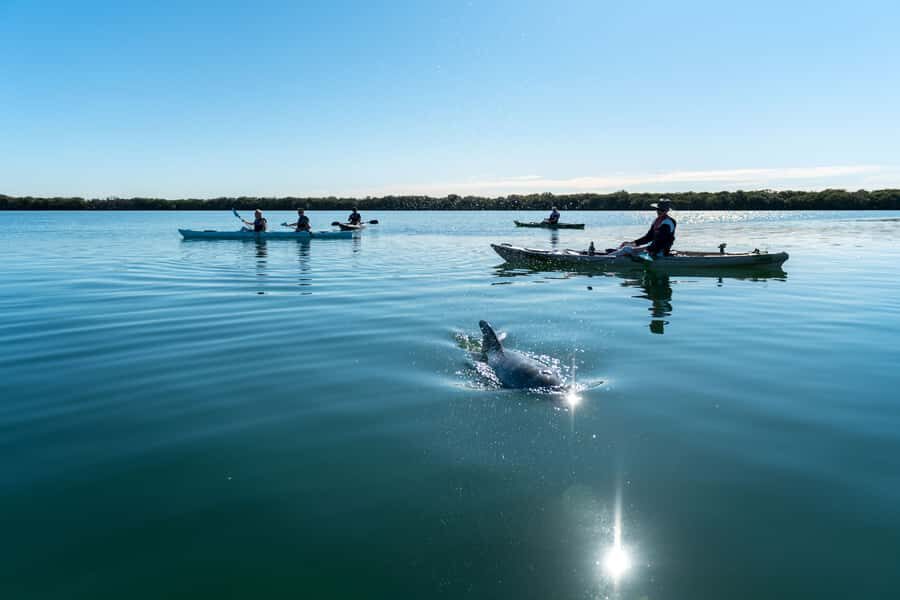
If you’re coming to Adelaide for food, beaches, and city walks, this is the easy switch to “real outdoors.” You start in Port Adelaide at Angas Inlet Boat Club, then spend your time in the Dolphin Sanctuary ecosystem—mangrove-lined creeks, tidal areas, and sheltered channels that feel far from the bustle of town.
What makes this spot special is that you’re not just kayaking somewhere pretty. You’re paddling through habitat that supports dolphins’ daily needs. The sanctuary’s creeks, saltmarsh, seagrass, and tidal flats act like a buffet and a nursery zone for marine life. That matters because it explains why dolphins are sometimes right there with you instead of being a distant, lucky accident.
The 3-hour timing also helps. It’s long enough to feel like an outing, but not so long that you dread the last hour when your shoulders start noticing you’re using them. At $55 per person, it lands in the “value adventure” zone—especially if you want nature time without signing up for a full-day expedition.
Other dolphin tours and cruises reviewed in Adelaide
Angas Inlet Boat Club: your launch point and what to expect
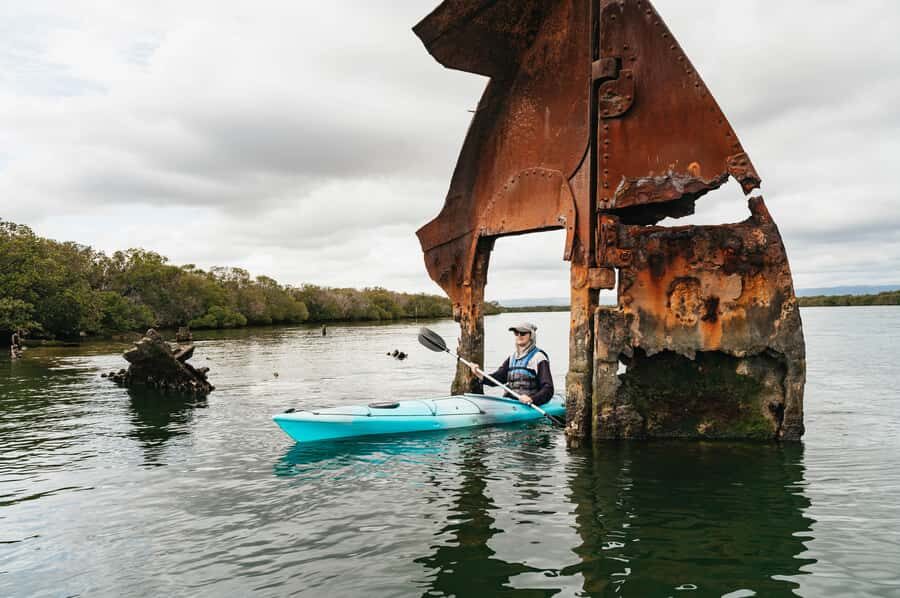
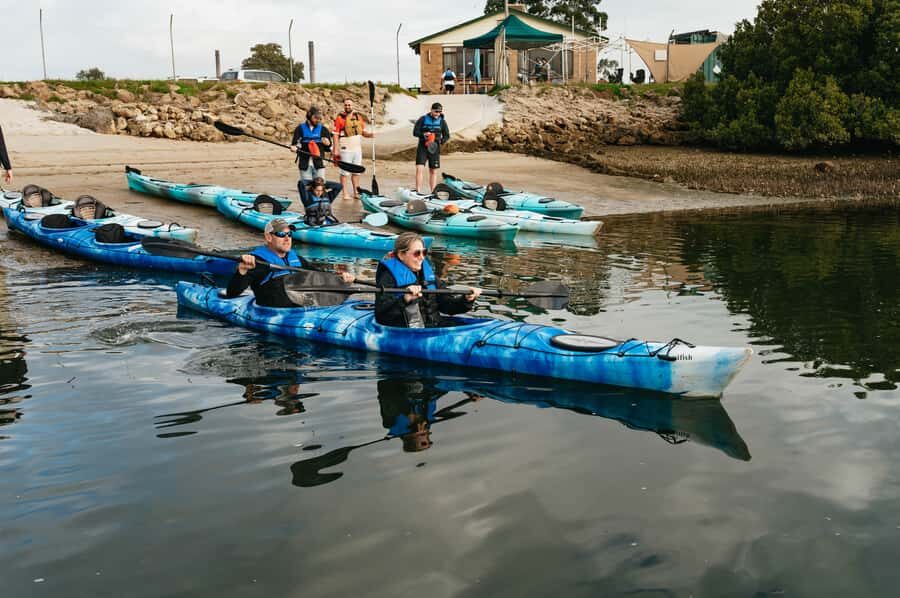
This tour meets at Angas Inlet Boat Club, Lot 204 Garden Island Road, Port Adelaide SA 5015. From there, you’ll get suited up and organized before you hit the water. The practical upside of this meeting point is that it’s set up for water activities, so you’re not piecing together logistics like where to park, where to store bags, or how to get gear sorted.
Equipment included is a kayak and life jacket, plus a waterproof bag for your valuables. There’s also water available to refill your drink bottle, which is a small detail that saves you from the “did I bring enough?” stress.
One thing to keep in mind: the tour is not listed as having hotel pickup. So you’ll want your own transport plan or a simple way to get to Port Adelaide, then back again when you finish.
The 15-minute safety briefing that actually matters
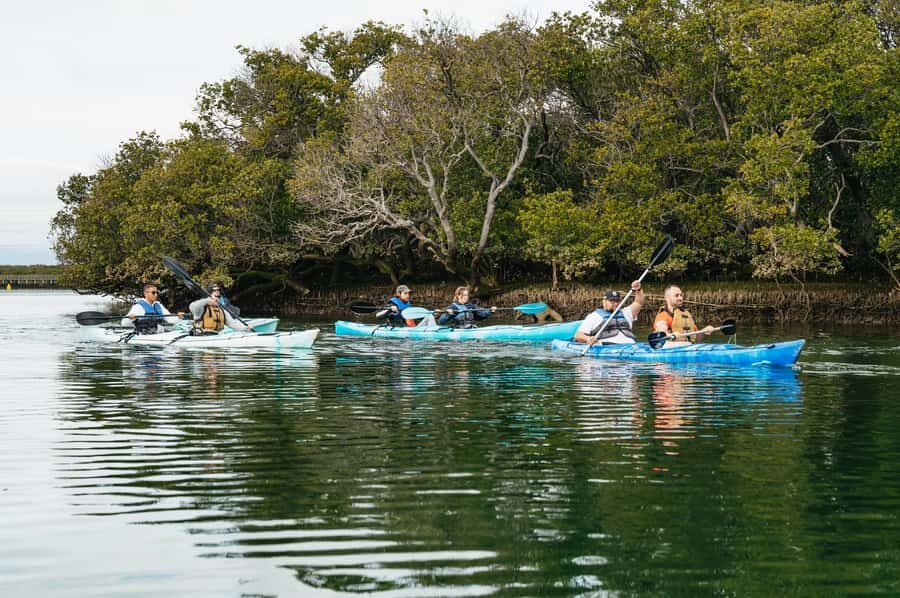
You begin with a safety briefing that lasts about 15 minutes. It’s not the kind of spiel that drags. You’ll learn how to handle your kayak safely, how to move as a group, and what to do if you need guidance.
This is also where the guide sets expectations about speed and spacing. Even if you’ve never sat in a kayak before, this kind of start helps you get your bearings fast—especially because you’ll be paddling in tight mangrove channels where you can’t just turn around and start over.
If you’re traveling with a child, this part matters even more. Children must be 10 or older, and kids aged 10–15 must paddle in a double kayak with an adult and be able to paddle. The tour runs at a comfortable pace, but you still need the basic ability to keep moving.
Kayaking the 10,000-year-old mangrove creeks
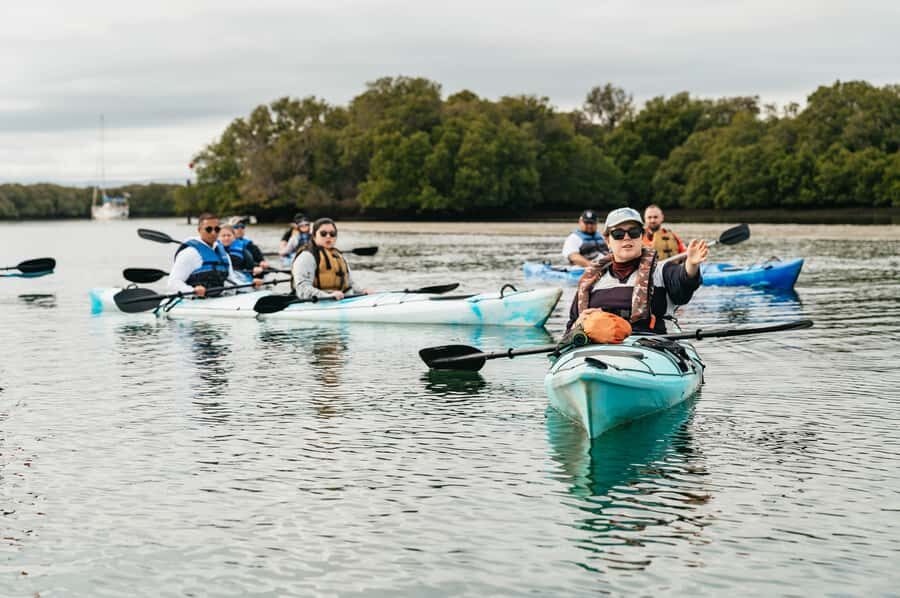
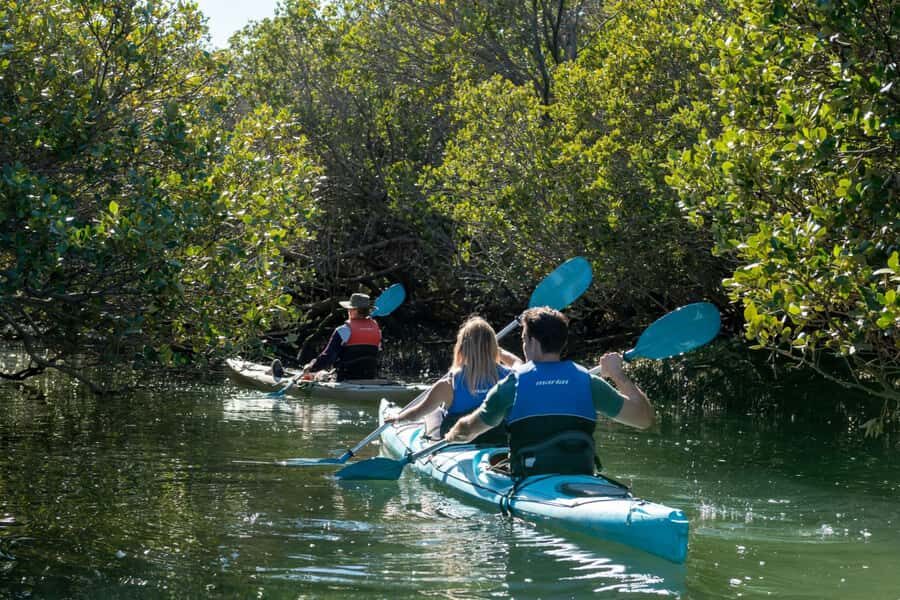
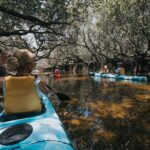
Once you’re on the water, the core experience is the mangrove creek paddle. You’ll move through sheltered waterways lined with mangroves, where the canopy can get low and the whole scene feels cooler and quieter than open coastline.
The tour is designed to be beginner-friendly. You don’t need prior kayaking experience, and the pace is comfortable because the goal is wildlife viewing and learning—not turning this into a gym session. In other words, you’ll feel the effort, but you won’t feel like you’re being left behind.
What makes these creeks more than pretty scenery is the ecosystem logic. Mangroves grow in tidal zones, and the mix of seagrass, saltmarsh, and creek channels supports feeding for dolphins. The seabed conditions and nutrient flow attract small fish, and dolphins follow the food. That’s why your sightings (when they happen) can feel surprisingly close.
You’ll also get birdlife as part of the package. Mangroves bring nesting and foraging birds, so even on days when dolphins are quiet, you’re still moving through a lively habitat.
Dolphins: amazing when you see them, realistic when you don’t
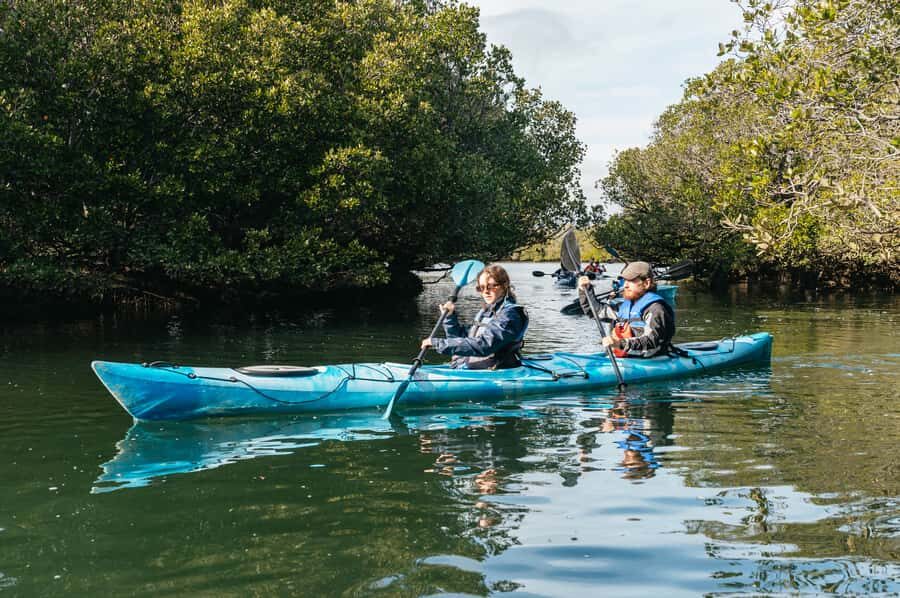
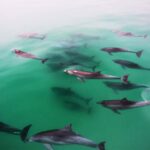
Dolphins are the big headline, and the tour genuinely offers a real chance at seeing them in their natural habitat. The key word is chance. Because you’re dealing with wild animals, weather, and tides, sightings can vary a lot from day to day.
You should also expect that the guide’s job is to protect the dolphins’ comfort and behavior. That usually means controlled movement as a group, careful spacing, and quiet attention when dolphins are near. On calm, tide-friendly conditions, dolphins can show up actively. On other outings, they might stay deeper or move away before you’re in the perfect position.
My advice: don’t treat this like a ticket that guarantees dolphins. Treat it like a guided way to be in the right ecosystem at the right time—with the right rules—so when dolphins appear, you’re ready to enjoy them without messing with their day.
Other dolphin watching tours in Adelaide
Shipwreck paddles: the cool history bonus, not a promise
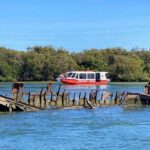
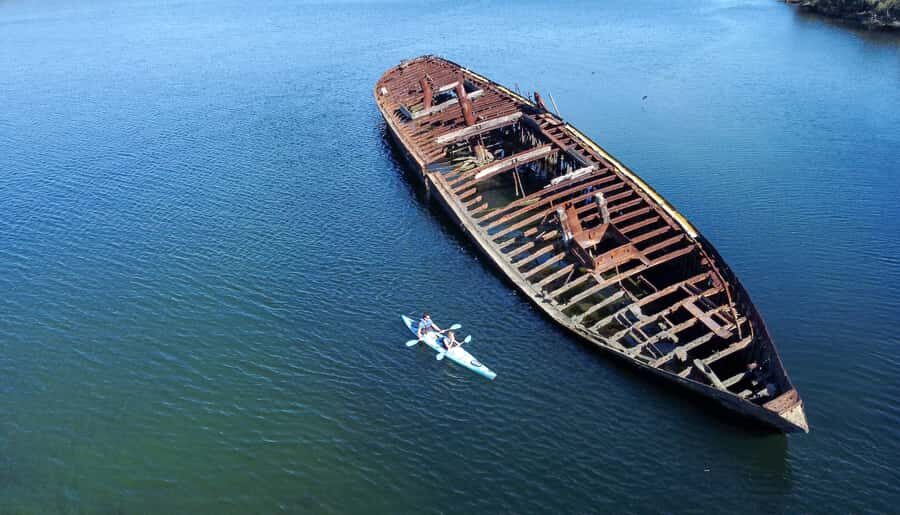
The tour also includes the chance to paddle close to shipwrecks that were abandoned in a bygone era. This part gives your paddle a story layer. You’re not only watching nature; you’re also seeing remnants of human history sitting in the water and becoming part of the environment over time.
Still, there’s an important reality check: paddling within the shipwreck area depends on conditions. Tides, weather, and safety considerations can limit how close you get, or whether the route includes the wrecks that day. So if shipwreck close-ups are your top reason for booking, plan a little flexibility in your expectations.
When the wreck segment does work, it adds variety. Mangroves and dolphins can feel “all nature all the time,” and shipwrecks break that rhythm with something more dramatic—especially when you’re close enough to really notice details rather than just passing by them from far out.
Wildlife viewing style: calm, respectful, and rule-based
One theme that comes through strongly is how the guides handle wildlife respectfully. Dolphins aren’t something you chase. The tour is set up to watch from a safe distance and let animals choose their own behavior.
That approach benefits you. Dolphins are more likely to stay nearby when people don’t crowd them. It also keeps the experience more peaceful. Instead of frantic spotting and rushing, you get periods of slow paddling, scanning, then stopping when the guide calls something out.
You’ll also learn why mangroves matter beyond dolphins—how the ecosystem supports marine life and why the creek systems are feeding grounds. The marine biologist guide helps translate what you’re seeing into simple cause-and-effect, like how plants and tidal movement connect to food chains.
If you love nature photography, this is a good setup too. A waterproof bag is included, and the conditions inside mangrove creeks can give you softer light than you might expect in open sun. Just keep your lens and phone protected from spray.
Price and value: is $55 per person fair?
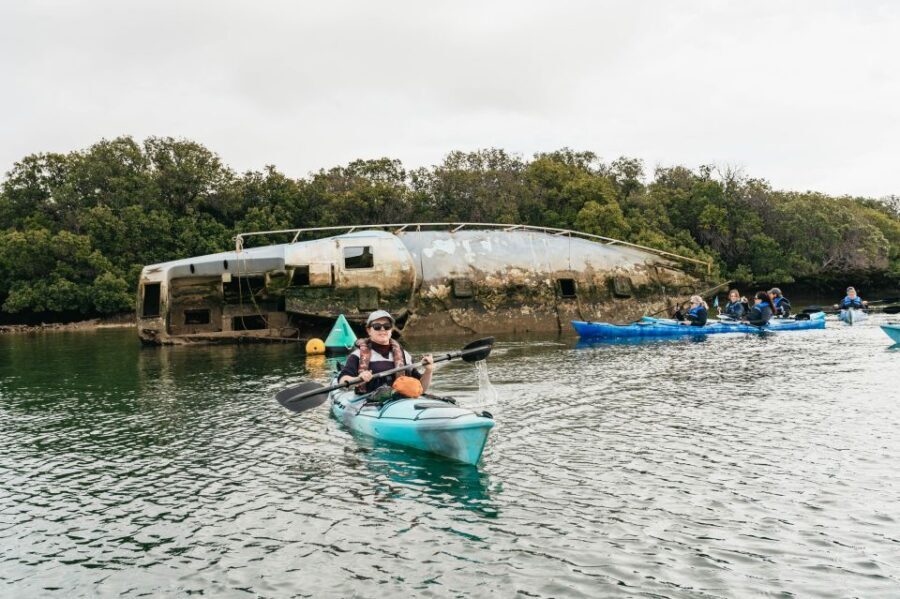
At $55 per person for a 3-hour guided kayak tour, this fits well for value if you want three things at once: real-time nature viewing, coaching for kayaking, and a guide who can explain what’s happening.
You’re getting included gear (kayak, life jacket, waterproof bag) and a guided experience with a marine biologist, not just a basic rental. You also get water to refill your bottle, which matters because there’s no mention of food being included—so you’ll likely bring your own snacks and drinks.
Where the value really shows is in the “comfort level” of the outing. The tour is paced so you don’t need high fitness or advanced technique. That means you’re paying for guided access to a sensitive ecosystem, not for your own ability to navigate complex water on your own.
If you’re traveling solo, this is also a good way to avoid “private tour” pricing while still getting a guide.
What to bring so your day feels easy
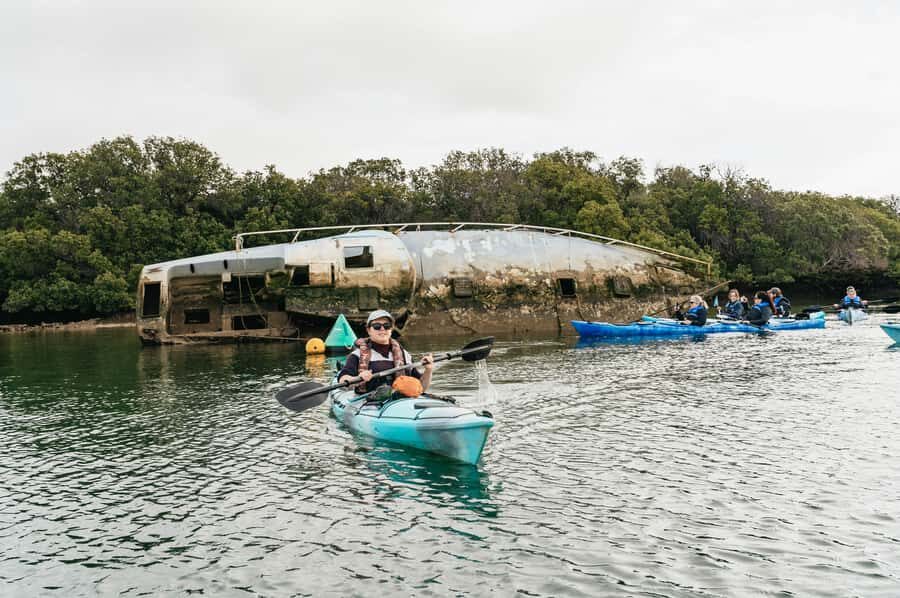
Bring items that match the conditions you’ll likely face in coastal creeks: sun, insects, and splash risk.
Pack:
- Sun hat
- Food and drinks (there’s no food included)
- Waterproof camera or phone protection
- Biodegradable sunscreen
From practical experience, add mosquito protection to your checklist. Some guides have been known to have sunscreen and mosquito repellent on hand, but don’t count on it every day. If you want one simple move: put mozzie spray on before you arrive and again if you get delayed.
Also consider a small dry set of clothes if you’re the type who hates feeling damp. The tour includes a waterproof bag, but you’ll still paddle through areas where water splashes happen.
Pacing and physical demand: who should feel comfortable
This tour is built for first-timers and people who want a relaxed outing. You don’t need prior kayaking experience, and the guide controls pacing so you can keep up.
That said, you are still paddling for about 3 hours. In the water depth sense, one review notes it can be shallow—barely groin depth at high tide and around knee depth at low tide for an adult. That can make mishaps less scary, but it doesn’t remove the fact that you’ll be in a moving environment and learning balance.
It is not suitable for people with mobility impairments or wheelchair users, based on the tour’s information. Also, you’ll want the ability to paddle for safety. For kids, that ability requirement is explicit.
Choosing your expectations: dolphin day vs. mangrove day
Here’s the truth that makes this easier to decide: you should book for the mangroves and the ecosystem education first, and treat dolphins as the bonus that can be spectacular.
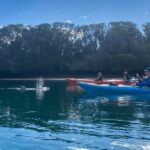
On some days dolphins may appear close and active, even swimming near the kayak. On other days they might be farther away or not show during your time on the water. Either way, you’re still paddling through a habitat that feels old, sheltered, and alive with birds and marine life.
If you only want a guaranteed dolphin viewing experience, you may feel disappointed. If you’re okay with flexible wildlife outcomes and you want a guided look at how dolphins use mangroves, this is a strong match.
Should you book the Adelaide Dolphin Sanctuary Eco Kayaking Tour?
Yes, you should book if you want a guided paddle in Port Adelaide mangroves with a marine biologist, you’re comfortable with the idea that wildlife sightings are weather-and-tide dependent, and you want something more peaceful and personal than a bus tour.
Don’t book expecting a strict checklist. Dolphin sightings and time near shipwrecks can vary, and the tour may be canceled if conditions are unsuitable. If you can accept that, you’ll likely love the calm paddling, the chance of close wildlife moments, and the way the guide turns the sanctuary into something you understand while you’re standing on the edge of it.
If you’re in Adelaide for a couple of days and you like active-but-not-grueling adventures, this one is worth fitting in. It’s one of those “you remember the water” experiences.
FAQ
Where does the tour start?
The tour meets at Angas Inlet Boat Club, Lot 204 Garden Island Road, Port Adelaide SA 5015.
How long is the kayaking experience?
The tour runs for about 3 hours on the water after a short safety briefing.
Do I need kayaking experience?
No. The tour is designed to work at a comfortable pace and start from a beginner-friendly level.
Is a dolphin sighting guaranteed?
No. Dolphin sightings and paddling within the shipwreck area depend on wild animal movement, weather, and tides.
What is the minimum age to participate?
Children must be 10 years or older to join. Kids 10–15 must kayak in a double kayak with an adult and be able to paddle.
What’s included in the tour price?
Included items are a guided tour with a marine biologist, a kayak and life jacket, water to refill your drink bottle, and a waterproof bag.
What should I bring with me?
Bring a sun hat, food and drinks, a waterproof camera (or waterproof phone setup), and biodegradable sunscreen.