REVIEW · ADELAIDE
7 Day Uluru to Adelaide Cultural and Adventure Tour
Book on Viator →Operated by Untamed Escapes · Bookable on Viator
The stars steal the show here. This 7-day overland route links Uluru, Kata Tjuta, Kings Canyon, Coober Pedy, and the Flinders Ranges with Indigenous storytelling and hands-on outback adventures.
Two things I really like: the way the days are guided by a Storyteller Guide (so it feels grounded, not like a photo stop), and the chance to sleep outdoors in a swag and under the southern sky.
The main trade-off is that it’s an active trip. You’ll walk (including a few longer hikes), spend long hours in an air-conditioned vehicle, and rely on good weather for the best experiences.
In This Review
- Key highlights you should care about
- How the overland style keeps this from feeling rushed
- Days 1–2 at Uluru-Kata Tjuta: cultural context first, then the big walks
- Kings Canyon Rim Walk and Kings Creek Station: views, then real outback downtime
- Coober Pedy: opal noodling and sleeping underground
- Warren Gorge to Wilpena Pound: hikes plus Indigenous welcome in the Flinders
- Arkaroo Rock, Quorn, and the last drive into Adelaide
- Price and value: where the $964.69 makes sense
- Who this tour suits best (and who should reconsider)
- Should you book this Uluru to Adelaide overland tour?
- FAQ
- How long is the 7 Day Uluru to Adelaide tour?
- Where does the tour start and end?
- What time does the tour start on the first day?
- Is an air-conditioned vehicle included?
- Are meals included?
- Are national park and entrance fees included?
- Is the Alice Springs to Yulara transfer included?
- FAQ
- Is Field of Lights included?
Key highlights you should care about
- Small group vibe (max 20) with time to ask questions and actually get to know your guide
- Uluru-Kata Tjuta Cultural Centre start that sets context before you ever see the rock up close
- Kings Canyon Rim Walk for big views without needing advanced mountaineering skills
- Coober Pedy underground life plus opal noodling at a working-style mine
- Flinders stargazing nights with evenings built around dinner, sky time, and swag comfort
- Welcome to Country with a local Yura guide that adds meaning to the Wilpena Pound portion of the trip
How the overland style keeps this from feeling rushed
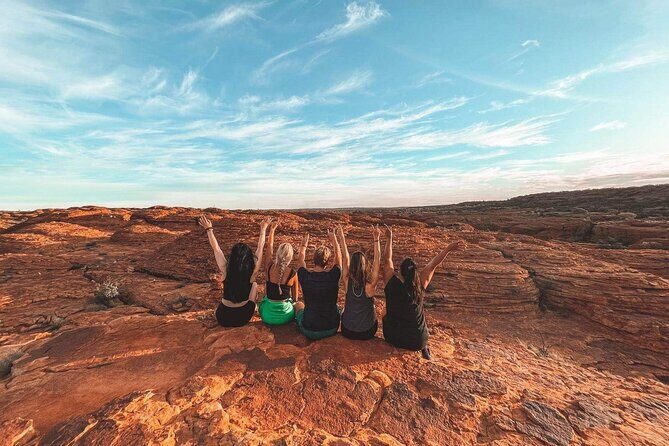
This tour runs like a moving camp. You’re in an air-conditioned vehicle much of the time, and you’re also outside a lot—walks, viewpoints, and camp evenings. The benefit is simple: you see a lot of the Red Centre and South Australia in one go, without planning flights, car rentals, or backtracking.
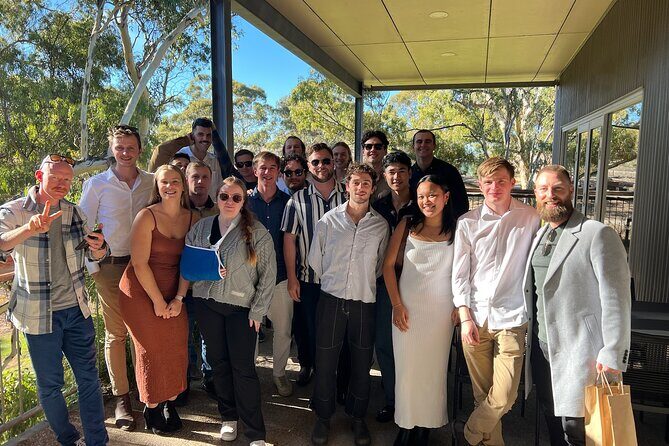
The small group size matters too. With a maximum of 20, you’re more likely to get help when you need it, and the guide can set a pace that fits the group. One of the best parts of this kind of trip is the evening mix: campfire chat, other people’s stories, and the calm way the outback slows you down.
Meals are also part of the comfort plan. You’ll get 6 breakfasts and 3 dinners included, so you’re not constantly figuring out where to eat while you’re traveling. That said, there are day moments with free time (like at Hawker), so you’ll want to have some snacks and water ready for those stretches.
Also worth noting: the tour calls for moderate physical fitness. If you’re comfortable with day hikes and uneven ground, you’ll be fine. If you know you struggle on longer walks, plan carefully before booking.
Other multi-day Adelaide to Melbourne and Uluru tours reviewed in Adelaide

Days 1–2 at Uluru-Kata Tjuta: cultural context first, then the big walks

The trip starts at 2:00 pm at Desert Gardens Hotel in Yulara. From the jump, you’re set up to understand what you’re looking at—before you chase sunset photos.
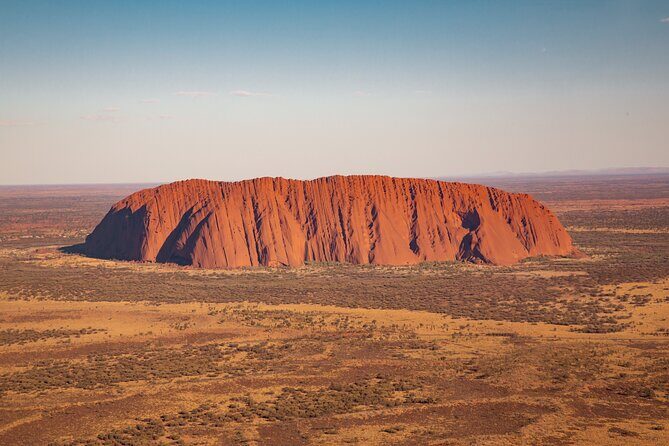
Day 1 centers on Uluru–Kata Tjuta National Park. You begin at the Uluru-Kata Tjuta Cultural Centre, where you’ll hear about Aṉangu traditions through exhibits and art. This matters because Uluru isn’t just a scenic landmark. It’s a sacred place with living cultural meaning, and the cultural centre gives you a framework so your base walk later feels purposeful, not touristy.
After the cultural centre, you head into the park and then settle at Ayers Rock Campground. Sunset viewing is built in, and the timing is everything here. Late light turns the rock into layers of red and gold, and the desert quiet makes it feel bigger than the pictures.
Day 2 shifts to Kata Tjuta. The domes rise dramatically from the red earth, and you’ll have a few hours to experience them in morning light. Then you get a breather at Ayers Rock Resort—a good window to cool off, do something low-key, or take part in optional cultural activities like bush food tastings or didgeridoo demonstrations (if offered during your visit).
Later, you return to Uluru for the Uluru Base Walk. The base walk is a very different vibe than just looking at the rock from a platform. You’re close, you’re moving, and you get a better sense of scale and how the land shapes the experience.
Possible drawback to flag: Uluru and Kata Tjuta are early-day and late-day experiences for good reason, which means you’ll be up and moving. It’s worth it, just don’t book this if you’re expecting sleepy starts every morning.
Kings Canyon Rim Walk and Kings Creek Station: views, then real outback downtime
Day 3 is a classic Red Centre natural hit: Watarrka National Park and Kings Canyon. After breakfast, you travel into the park, then focus on the Rim Walk. This is the day you go for the “how is this real?” canyon views—the kind that make your brain stop scrolling and actually watch your surroundings.
The Rim Walk is also a good test of whether you’re set for the walking portion of the trip. You don’t need to be a fitness athlete, but comfortable shoes and steady pacing help a lot. Bring your attention, not just your legs.
By afternoon, you arrive at Kings Creek Station, a working cattle station now used as an outback stop. This is more than a roadside pause. It’s a change of pace where you can cool off, grab something from the café-bar, and let the day’s walking settle into your body.
That downtime is important. A tour like this has big days, and if you don’t schedule in recovery, you’ll feel it by day 4 or 5. Kings Creek Station gives you a chance to breathe and reset before the long travel push south.
Coober Pedy: opal noodling and sleeping underground
Day 4 is a big travel day, crossing from the Northern Territory into South Australia through wide desert plains. Expect long hours on the road, but the payoff is that you’re not just going from point A to point B—you’re building a story of outback life.
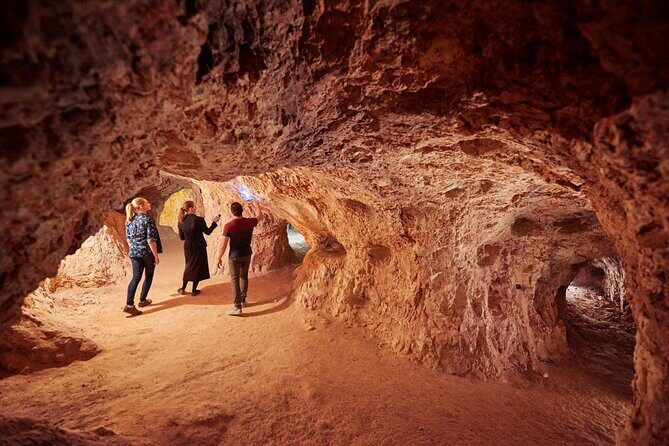
By late afternoon, you reach Coober Pedy, famous as the opal capital. The town has a practical twist: with extreme heat above ground, many residents live underground. You get to experience that same idea when the tour includes sleeping in an underground dugout.
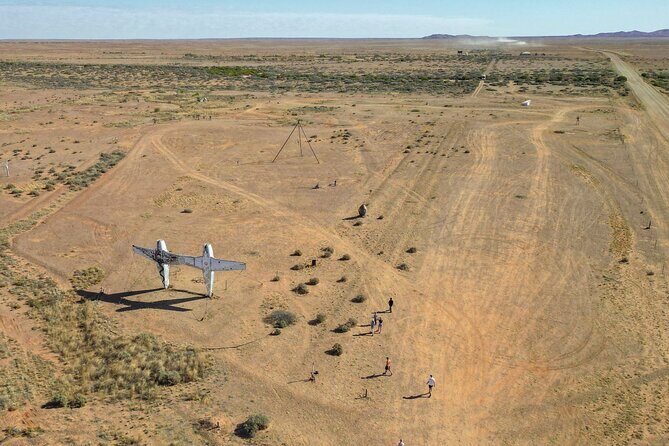
Day 5 leans hard into the underground theme with a visit to Old Timers Mine. You learn how these stones form and then get to try opal noodling, which is basically fossicking through the red dust. It’s hands-on in the best way: you can be excited even if you don’t find a miracle stone, because the digging process is part of the fun.
Coober Pedy can be quirky, and that’s exactly why it fits this itinerary. It’s outback with a little weirdness and a lot of adaptation. You’re seeing people solve environmental problems with creativity, not just chasing natural scenery.
One practical consideration: underground settings can feel cool compared to above ground, but you’re still in a remote region. Pack for layers and for dust. Even with gloves or provided gear, the environment has its own personality.
Warren Gorge to Wilpena Pound: hikes plus Indigenous welcome in the Flinders
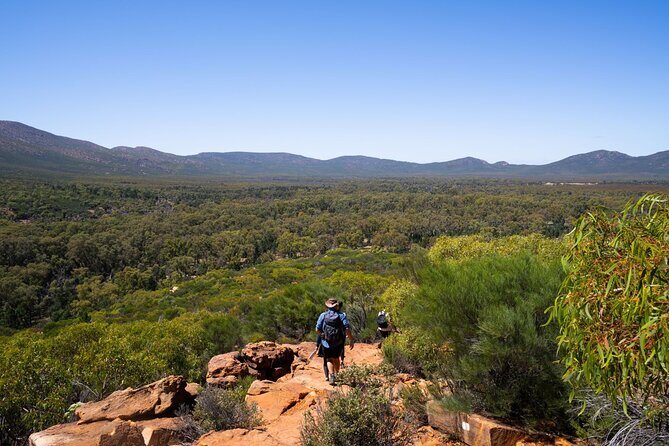
Day 5 continues from Coober Pedy into the Flinders Ranges, with travel through outback country and stops for lunch. Late afternoon you arrive near Warren Gorge and set up camp.
That first Flinders evening includes something I love about this style of tour: you’re not just dropped off at a campsite and left alone. Dinner is cooked by your guide, then you get time to stargaze from the night-sky friendly region. This is where those clear-sky evenings can turn magical—especially if you enjoy a “watch the sky change” moment more than a club-like nightlife scene.
Day 6 starts with a hike: the Warren Gorge Loop Trail (around 5 km). It’s built to give you variety—color, texture, and life in the gorge area—without requiring climbing gear.
After that, you roll into Hawker for lunch and a chance to explore the Jeff Morgan Gallery, known for large panoramic art pieces connected to the outback. It’s a good stop because it breaks up pure nature with a cultural/creative angle.
Then you tackle Wangara Lookout Hike (about 7 km return). This is a longer day, so pace yourself and keep the “water and snack plan” simple. After the hike, you arrive at Wilpena Pound as your base for the night.
Wilpena Pound is where the tour adds another layer of meaning: you join a Welcome to Country with a local Yura guide, with stories shared from Yura Ngawarla. Even if you’re not a formal ceremony person, this matters because it frames the area as lived-in Country with a history, not just a scenic bowl on a map.
A few more Adelaide tours and experiences worth a look
Arkaroo Rock, Quorn, and the last drive into Adelaide
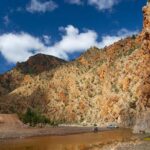
Day 7 wraps with one more short but powerful walk: Arkaroo Rock. The trail is short, but the views over the Chace Range are the point. Sites like this are where you feel how the Flinders shape travel—long distances, big sightlines, and sky dominance.
After that, you head toward Quorn, a historic railway town. It’s a nice contrast: you get time to grab lunch and see the town’s vintage railway and movie-star past (as the tour describes it). It’s not a huge city stop, but it’s a good way to transition from bush quiet to small-town charm.
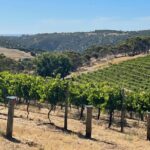
Then you drive south toward Adelaide, passing through the Clare Valley wine region along the way. You arrive around 7:00 pm, with drop-off at Adelaide Central Bus Station.
If you like your final day to feel like a landing instead of another adrenaline hit, this works. You end with movement and scenery, not a final mega-walk.
Price and value: where the $964.69 makes sense

At $964.69 per person for about 7 days, this isn’t a budget couch-to-coast deal. But it also isn’t just paying for a bus. You’re paying for guided days, park entry, and a lot of included meals.
Here’s what adds real value for your money:
- All activities and experiences are included, not just the big-ticket stops
- National park and entrance fees are included, which often add up fast in remote areas
- 6 breakfasts and 3 dinners remove the constant decision fatigue of where to eat
- The tour includes a Storyteller Guide for the whole journey and an air-conditioned vehicle, so comfort and context are both handled
Two “not included” items are worth knowing so you can budget cleanly:
- The transfer bus ticket from Alice Springs to Yulara is not included
- Field of lights is not included (listed at A$50 per person)
If you were doing this yourself, you’d likely spend money on transport, accommodation, park fees, and guiding separately. The pricing here feels most fair if you like having someone plan the route and run the day flow, while you focus on walking, learning, and enjoying camp evenings.
Who this tour suits best (and who should reconsider)
This is a great fit if you want:
- A small group outback journey with a strong guide presence
- Active days with hikes that are challenging but not technical
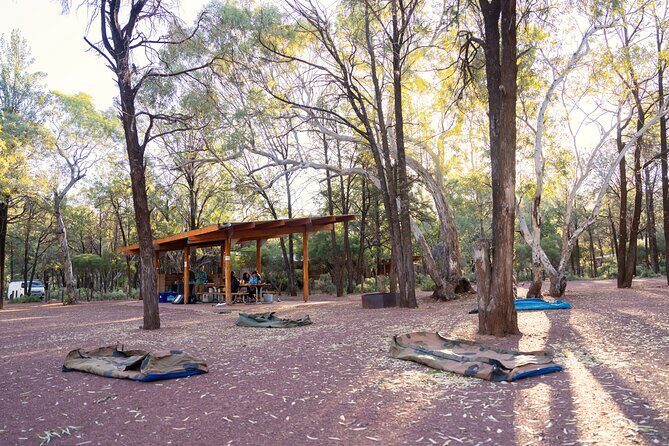
- Nights that include swags and stargazing, plus at least one underground sleep experience
- Indigenous storytelling that’s built into the schedule, starting with the cultural centre
You should reconsider if:
- You hate long travel days or don’t like being out of your comfort zone much
- You’re not confident with moderate hikes like Kings Canyon Rim Walk and the 7 km Wangara Lookout return
- You want a fully cushy hotel-based trip every night (this is camping-style living)
A quick practical tip: bring a good daypack, sturdy shoes, and a mindset for weather changes. This tour requires good weather for the best experience outcomes, especially for outdoor viewing and walking.
Should you book this Uluru to Adelaide overland tour?
I’d book it if you want the Red Centre and South Australia to feel like one connected story—from Aṉangu cultural context at Uluru, to canyon walking at Kings Canyon, to underground life and opal fossicking in Coober Pedy, then to Flinders hikes, Wilpena Pound, and clear-sky stargazing.
If your ideal holiday is only easy sightseeing with zero walking, skip it. But if you’re game for real outback rhythms—sunrise light, dust in the air, and nights where the sky actually looks like it goes on forever—this tour is a strong match.
FAQ
How long is the 7 Day Uluru to Adelaide tour?
The tour is listed as 7 days (approximately).
Where does the tour start and end?
It starts at Desert Gardens Hotel in Yulara and ends in Adelaide at 91 Franklin St, with drop-off around 6 pm at Adelaide Central Bus Station.
What time does the tour start on the first day?
The start time is 2:00 pm.
Is an air-conditioned vehicle included?
Yes. The tour includes an air-conditioned vehicle.
Are meals included?
Yes. Breakfast is included 6 times and dinner is included 3 times.
Are national park and entrance fees included?
Yes. National park and entrance fees are included.
Is the Alice Springs to Yulara transfer included?
No. The transfer bus ticket from Alice Springs to Yulara is not included, and you’re asked to inquire directly.
FAQ
Is Field of Lights included?
No. Field of lights admission is not included and is listed at A$50.00 per person.