REVIEW · ADELAIDE
Port Adelaide Walking Tour
Book on Viator →Operated by Flamboyance Tours · Bookable on Viator
One name used by early settlers said it all: Port Misery. This small-group walk in Adelaide turns that port past into something you can picture, with real stops, local character, and a relaxed pub vibe.
What I like most is how the tour mixes Abandoned Hart’s Mill history with practical port-life context, so the place doesn’t feel like a museum cutout. I also love that your ticket includes a refreshment at a local pub, which makes the walk feel like you’re being let into the neighborhood.
One consideration: the tour ends at the lighthouse, and while you may be able to climb the tower for a small extra cost, it’s listed as unavailable due to COVID restrictions.
In This Review
- Key highlights at a glance
- Port Adelaide Walking Tour: the vibe you’re really signing up for
- Small group walking pace: why max 10 travelers matters
- Where the tour starts: Old Troubridge Loading Ramp
- Stop 1: Port Adelaide landmarks, Hart’s Mill, and old police cells
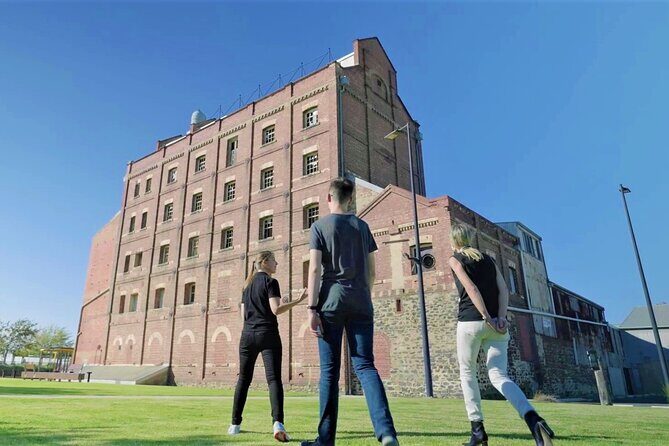
- The abandoned Hart’s Mill building (old flour mill)
- Jail cells in the old police station
- A pub stop for your included refreshment
- Stop 2: Port Adelaide Docks and Dock 2 from a distance
- Stop 3: Port Adelaide Lighthouse, the group photo, and the tower climb note
- Value and timing: is $63.83 worth it?
- What I think you’ll actually notice during the walk
- The guides and the team style (Andrea and Katina)
- Weather matters: what to do about a Port Adelaide afternoon
- Who should book this Port Adelaide walk
- Should you book the Port Adelaide Walking Tour?
- FAQ
- How long is the Port Adelaide Walking Tour?
- What does the ticket price include?
- Where does the tour start and end?
- How many people are in the group?
- Is there a cancellation policy if the weather is bad?
- Can I bring a service animal, and is the tour physically demanding?
Key highlights at a glance
- Small group (max 10) means more time to ask questions and keep the pace easy
- Port Misery stories connect early settlement hardships to what’s still visible today
- Included pub drink (non-alcoholic option for adults; non-alcoholic for under 18) keeps things local and casual
- Hart’s Mill and old police cells give you concrete anchors for the area’s past
- Dock 2 perspective shows how maritime traffic mattered, even when you’re viewing it from the street
- Lighthouse finish plus a group photo by email helps you remember the walk without extra effort
Port Adelaide Walking Tour: the vibe you’re really signing up for
Port Adelaide has that rare quality where history isn’t tucked away behind glass. It’s in buildings, street corners, and the everyday routines of the people who still treat the port as a working place. This walking tour leans hard into that feeling. You’ll move at a comfortable walking pace for about 2 hours 30 minutes, and you’ll spend enough time at the key stops to understand why they mattered—not just what they look like.
The mood is also part of the product. You’ll get a pub stop with your ticket price, and that shifts the whole experience from “quick sightseeing” to “a guided afternoon with context.” There’s a reason small-group tours often feel better here: you’re not wrestling for attention. You’re listening, looking up and around, and then talking about what you’re seeing.
Finally, this isn’t just old stones and old stories. You’ll also notice how modern street art and newer features sit beside the older architecture. That contrast helps you understand the port’s past and present instead of forcing you to pick one or the other.
Other dolphin tours and cruises reviewed in Adelaide

Small group walking pace: why max 10 travelers matters
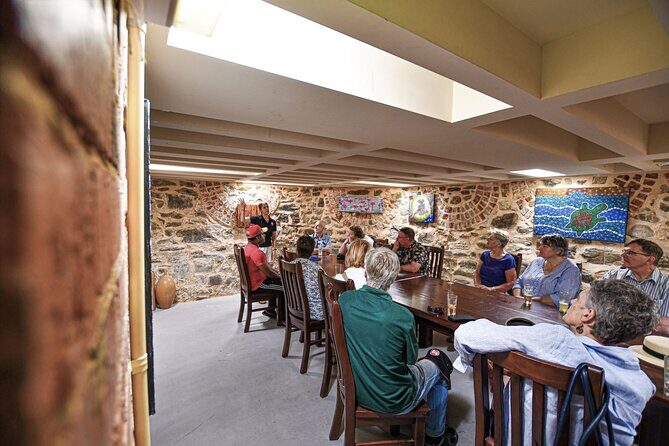
The tour caps at 10 people. That sounds like a bland logistics detail, but it changes the experience. In a larger group, a guide has to keep things moving and you get fewer chances to ask follow-ups. With a max-10 format, you can usually get clearer explanations at the moment you’re looking at the thing—especially important when the story is about how the port operated day to day.
You should also plan for a moderate physical fitness level. This is a walking experience, not a sit-and-watch version. It’s also not described as strenuous, but you will be on your feet, and you’ll want comfortable shoes and the patience to slow down when your guide points out details.
Good news: service animals are allowed, and the meeting point is near public transportation. So if you’re building a half-day itinerary around Port Adelaide, you won’t need a car to make it work.
Where the tour starts: Old Troubridge Loading Ramp
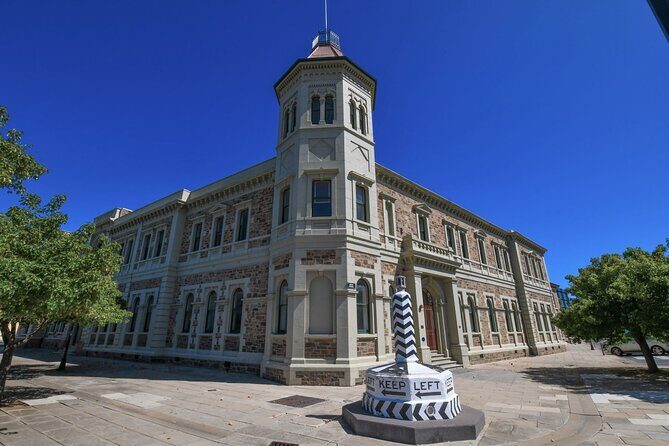
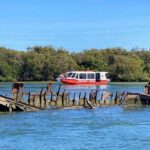
Your tour kicks off at the Old Troubridge Loading Ramp in Port Adelaide. It’s a smart start point because it puts you in the port’s working-story setting right away. You’re not meeting in a shopping street where the history has to be explained from scratch. You’re starting where the port role is already visible in the surroundings.
At 2:00 pm, it’s also a practical time. By afternoon, you usually have enough daylight to see building shapes and street details clearly. It’s also a good slot if you’re staying in Adelaide city and want to get out of the center without losing an entire day.
Stop 1: Port Adelaide landmarks, Hart’s Mill, and old police cells
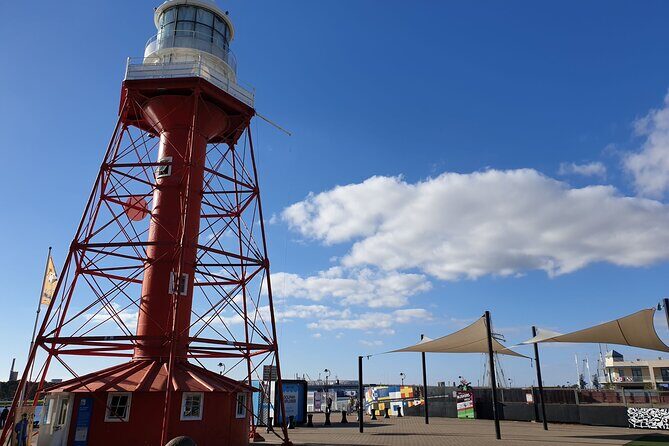
This is the core of the walk. The longest portion of your time is spent around Port Adelaide’s key landmarks, with a focus on how the area developed and what hardship looked like for early residents.
The abandoned Hart’s Mill building (old flour mill)
One of the most compelling parts of the route is the abandoned Hart’s Mill building, an old flour mill. Even if the building’s quiet now, a place like this helps you picture the industrial pulse of the port. Flour and shipping go together historically, because getting goods to market was the whole point. When you stand close enough to see the structure and imagine the machinery and workflow, the port stops being abstract.
This stop also helps you read the area better on your own after the tour. If you know what used to happen here, you’ll start noticing other clues—shapes of buildings, the layout of streets, and how loading and movement likely worked.
Other Adelaide walking tours reviewed in Adelaide




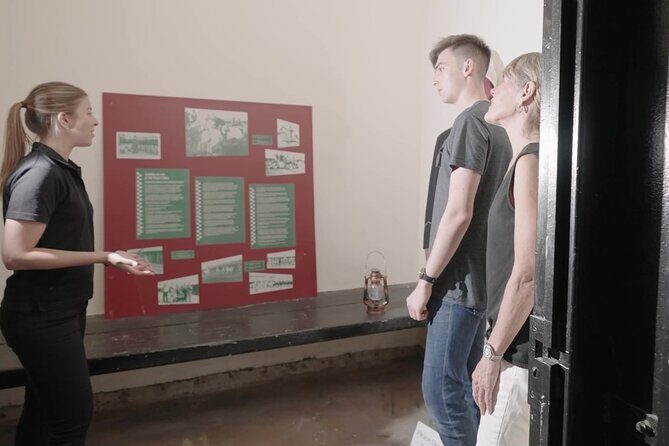
Jail cells in the old police station
Another specific highlight is a visit to the jail cells in what used to be the old police station. This is one of those stops that makes history feel human. Port towns often had intense social pressure—crowds, work conditions, and the constant churn of people moving in and out. When a guide points out the jail cells, it’s not there to shock you. It’s there to connect the port to law, order, and daily consequences.
I like that the tour doesn’t keep everything heroic or purely romantic. You get the full range of port life: production, movement, and the rules that tried to keep it all from falling apart.
A pub stop for your included refreshment
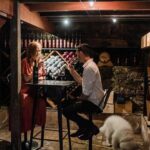
Midway through this main segment, there’s a pub stop where your ticket includes a refreshment. This is a real value-add because you’re not just buying a walking lesson—you’re also buying a slice of local routine.
Here’s how the drink works:
- Adults can choose an alcoholic or non-alcoholic beverage
- Participants under 18 receive a non-alcoholic drink
That choice matters. It keeps the experience comfortable for mixed groups, and it also means you can focus on the stories without feeling like you’re making a complicated decision halfway through.
In terms of pace, this stop breaks up the walking time in a way that feels natural, not forced. It’s also a chance to settle your feet, scan the street life outside, and absorb the day’s context before you continue.
Stop 2: Port Adelaide Docks and Dock 2 from a distance
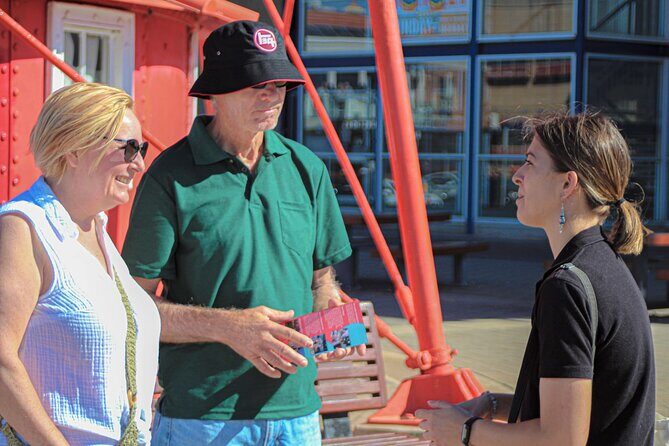
After the Port Adelaide landmark section, the tour shifts to the maritime side with a look at the Port Adelaide Docks. You’ll focus on Dock 2 from a distance.
That might sound like “just a quick view,” but it still works because the guide explains why maritime life mattered along the Port River in the early days. Ships weren’t background scenery for settlement—they were the engine. They determined trade routes, food supply, jobs, and the pace at which the port grew.
Seeing Dock 2 from where you are also teaches you something important: you don’t always need to be standing on the water to understand how a working port functions. A good guide helps you read distance, direction, and layout so you can connect the dots between the streets you walk and the movement happening beyond them.
This stop is brief (about 5 minutes), so if you’re the type who loves ships and machinery, you may want to do your own follow-up wandering after the tour when you’ve got more time.
Stop 3: Port Adelaide Lighthouse, the group photo, and the tower climb note
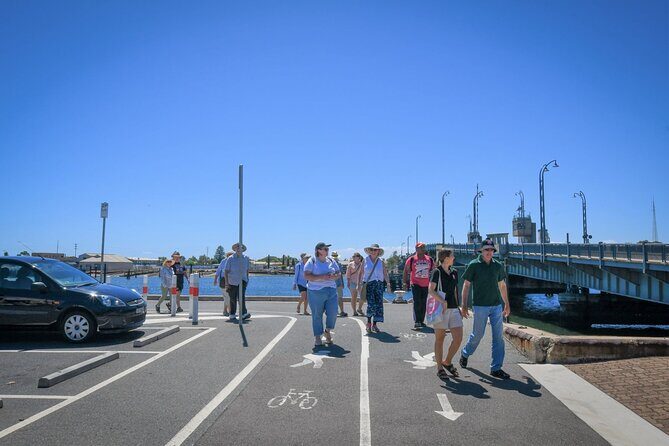
The tour ends at the Port Adelaide Lighthouse. This is a clean finishing point because it gives you a visual anchor for the port story. Lighthouses aren’t just scenic. They were part of safe navigation, and they represent the point where land, shipping, and risk all meet.
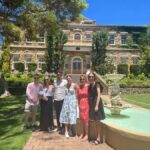
As you wrap up, the group takes a photo, and it’s sent to you by email after the experience. That’s a nice touch. It means you don’t have to worry about finding the right angle or asking strangers to take your picture.
You may be able to climb the tower for a small cost, but at the time of writing it’s listed as unavailable due to COVID restrictions. So plan for the lighthouse as a strong finish even without climbing. If tower access becomes available later, you could always add it on as an extra stop.
Value and timing: is $63.83 worth it?
At $63.83 per person for roughly 2.5 hours, this price sits in the “guided experience” zone rather than a budget walking tour. The good news is that your ticket isn’t only paying for walking and basic explanations.
You’re also paying for:
- A small-group format (max 10)
- Several specific heritage stops (including the mill and old police cells)
- A pub refreshment that’s built into the ticket price
- A lighthouse group photo sent by email
- A recommendations list after your tour to help you keep exploring
That included drink is the easiest way to think about value. If you were going to stop at a pub anyway, this turns that planned break into part of the tour experience rather than a separate cost.
Another value factor is how the tour is designed to be practical: it’s about seeing, understanding, and then using the insights immediately as you continue exploring Port Adelaide on your own.
What I think you’ll actually notice during the walk
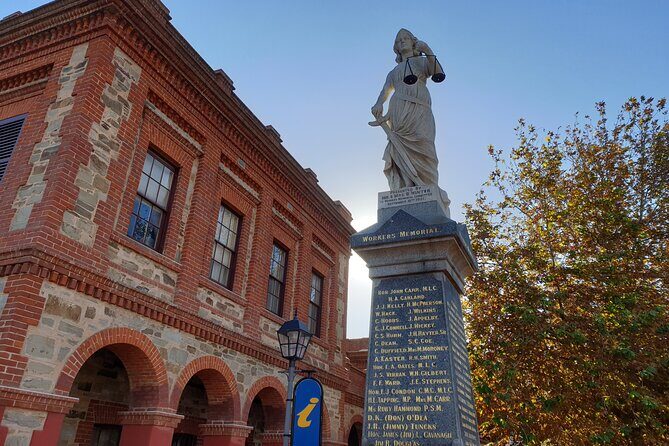
It’s easy to market “heritage.” This tour does better than that by giving you scenes you can stand in and interpret.
Here are the types of details that are likely to stick with you:
- How abandoned industrial buildings still show the shape of past work
- How the old police station cells add weight to stories about port life and control
- How street art and modern elements sit alongside older structures instead of replacing them
- How a working port is explained through both landmarks and maritime context
- How a pub stop changes the tone from sightseeing to conversation
The strongest tours are the ones where your brain gets a map. This one seems built to do that, so you finish knowing what to look for if you go back later or keep exploring afterward.
The guides and the team style (Andrea and Katina)
The experience is run by Flamboyance Tours, and one standout detail from an earlier tour is that the guide was Andrea, with the owner Katina involved in the experience. That sort of hands-on involvement can matter, because it often shows up as more personal storytelling and a tighter focus on the port’s meaning rather than a generic script.
You should expect guides who are comfortable talking about both the visible structures and the life around them. The goal is to help you feel like you can picture the port in motion—ships arriving, goods leaving, and daily life working itself out street by street.
Weather matters: what to do about a Port Adelaide afternoon
This tour requires good weather. If weather is poor, the tour can be canceled and you’ll be offered a different date or a full refund. That’s a normal policy for an outdoor walking format, but it does mean you should check the day-of plan if you’re juggling other activities.
Port environments also tend to have changeable conditions, so pack like it’s an outdoor afternoon:
- comfortable shoes you can walk in for 2+ hours
- a light layer for wind or cool moments
- sun protection if it’s bright
If you show up prepared, the tour tends to work well because the stops give you indoor-and-outdoor mix. You’ll be outside enough to enjoy the atmosphere, but the guided stops give structure even when conditions are less than perfect.
Who should book this Port Adelaide walk
This is a strong match if you:
- want an introduction to Port Adelaide without cramming in extra transport stops
- like heritage settings with real-world context (not just names on plaques)
- enjoy small-group tours where you can ask questions
- appreciate a local pub break as part of your sightseeing
It may be less ideal if you:
- want a long lighthouse visit with lots of time for climbing (the tower climb is mentioned as unavailable due to restrictions)
- dislike walking for about 2.5 hours with only short breaks
- are expecting an extended dock-and-ship viewing session (Dock 2 is brief)
Should you book the Port Adelaide Walking Tour?
My take: this is the kind of tour that makes Port Adelaide easier to love. You get the big landmarks, the less-famous but meaningful stops, and a pub moment that keeps the day from feeling like a checklist. The small group size is a big deal here, especially because the tour includes specific story-heavy locations like Hart’s Mill and the old police station cells.
If you’re short on time and want a guided on-ramp to the area, book it. If you’re the type who loves doing everything independently, you might still benefit from the tour’s storytelling because it teaches you how to read what you see afterward.
FAQ
How long is the Port Adelaide Walking Tour?
It runs for about 2 hours 30 minutes.
What does the ticket price include?
Your ticket includes an included drink at a local pub during the tour. Adults can choose between an alcoholic or non-alcoholic beverage, and participants under 18 receive a non-alcoholic drink. A group photo is also taken and sent to you by email.
Where does the tour start and end?
It starts at Old Troubridge Loading Ramp, Port Adelaide SA 5015, and ends at the Port Adelaide Lighthouse.
How many people are in the group?
The tour has a maximum of 10 travelers.
Is there a cancellation policy if the weather is bad?
Yes. The experience requires good weather. If it’s canceled due to poor weather, you’ll be offered a different date or a full refund.
Can I bring a service animal, and is the tour physically demanding?
Service animals are allowed. The tour is listed for travelers with a moderate physical fitness level.