REVIEW · ADELAIDE
Kangaroo Island Indigenous Tour (1 Day)
Book on Viator →Operated by SeaLink South Australia · Bookable on Viator
Kangaroo Island, but make it story-led. This one-day experience pairs Indigenous cultural teaching with real wildlife time, and you do it with a small group (max 20) and a local elder. I especially like the way the day starts with bush foods and bush medicines in Penneshaw, guided by Ngarrindjeri elder Mark Koolmatrie. You’ll also get the feeling you can ask questions without feeling rushed.
I like that the tour doesn’t treat Indigenous knowledge as a side note. You hear culturally grounded stories tied to specific places, from seal country to the creator story told around your meal. Then you still get proper nature time at Seal Bay Conservation Park and Flinders Chase National Park, plus a boxed dinner before you head back.
The big consideration is time and pacing: it’s a long 16-hour day with ferry and coach transfers, and some of the stop durations are limited—so if you want lots of wandering on your own, you may find this feels structured.
In This Review
- Key things to know before you go
- Penneshaw first: the tour begins with bush foods and meaning
- Good fit for
- Potential mismatch
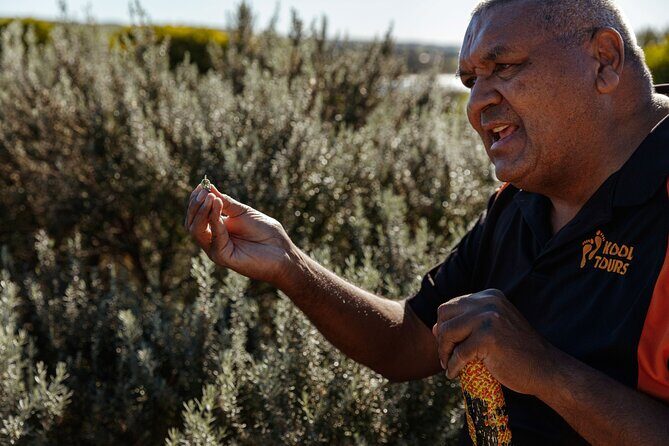
- Meeting Mark Koolmatrie: bush medicine talk you can actually use
- Seal Bay through Ngarrindjeri eyes: more than a seal show
- Photo tip that matters
- Vivonne Bay lunch: a meal tied to Nurrunderi and the spirit world
- Flinders Chase National Park: rugged western views and wildlife chances
- Penneshaw return and boxed dinner: the day ends with a ferry rhythm
- Price and value: what $397.15 buys on a long day
- How to survive the schedule: 6:45am starts and a full 16 hours
- What to pack for Kangaroo Island in one day
- Who should book this Indigenous Kangaroo Island tour
- Should you book it? My straight answer
- FAQ
- What time does the Kangaroo Island Indigenous Tour start from Adelaide?
- How long is the tour?
- How much does the tour cost?
- What’s included in the price?
- How big is the group?
- Are admission tickets included for the main parks?
- Is there food on the tour?
- Do you need good weather for the tour to operate?
- Can you request dietary or allergy changes?
- Is it suitable for people who use public transportation or have service animals?
Key things to know before you go
- Ngarrindjeri elder commentary from Mark Koolmatrie, with plenty of room for questions during the walk in Penneshaw
- Penneshaw bush foods & bush medicines at the start, then story-led stops all day
- Seal Bay Conservation Park with Ngarrindjeri perspectives and seal-and-whale creation stories
- Vivonne Bay lunch built around the Nurrunderi creator story, not just a sandwich break
- Flinders Chase National Park wildlife spotting along the rugged western side, including chances for koalas and echidnas
- Long day logistics: early start from Adelaide, ferry transfers, and a boxed dinner before you return
Penneshaw first: the tour begins with bush foods and meaning
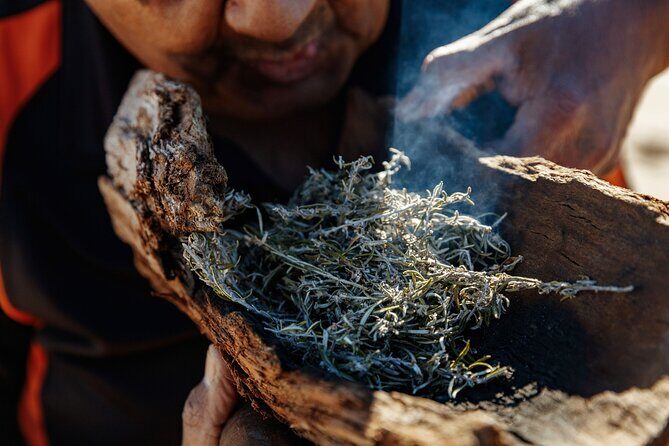
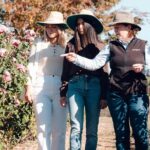
This is the kind of day where the order matters. Starting in Penneshaw means you begin with people, plants, and place—before the clock pushes you into wildlife viewing. Your host, Mark (Mark Koolmatrie), walks you through the area and talks about bush foods and bush medicines, plus culturally enriched stories connected to sites of deep significance.
I like that the experience is personal. With a maximum group size of 20, you’re not swallowed by a busload crowd, and the format leaves breathing room for questions. If you’ve ever visited Australia and wished you’d had a stronger framework for what you’re seeing, this early teaching helps you make sense of the land.
Other Kangaroo Island tours reviewed in Adelaide
Good fit for
If you want nature and culture in the same day, and you’re comfortable listening as much as looking, you’ll probably enjoy this pace.
Potential mismatch
If you’re mostly chasing photos and don’t care about interpretation, you may feel the time spent on stories cuts into your free time.
Meeting Mark Koolmatrie: bush medicine talk you can actually use
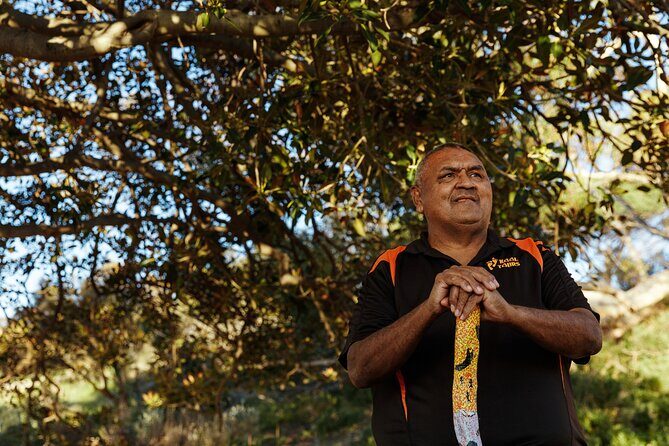
The Penneshaw walk is where the tour earns its name. You’re investigating Australia’s bush foods and bush medicines while Mark discusses stories tied to meaningful locations. Expect this to feel like an outdoor lesson, not a lecture. It’s interactive enough that you can ask questions rather than just stand and listen.
This also changes how you see the rest of the island. When you later encounter coastal country, boardwalks, and wildlife viewing areas, you’re not only watching seals or birds—you’re understanding that the land has been known, named, and cared for through time.
Practical note: you’ll be on your feet, so wear comfortable walking shoes and plan for sun and wind. Kangaroo Island can flip from bright to breezy fast, and you’ll want to stay comfortable from the first stop.
Seal Bay through Ngarrindjeri eyes: more than a seal show
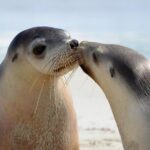
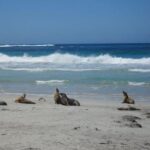
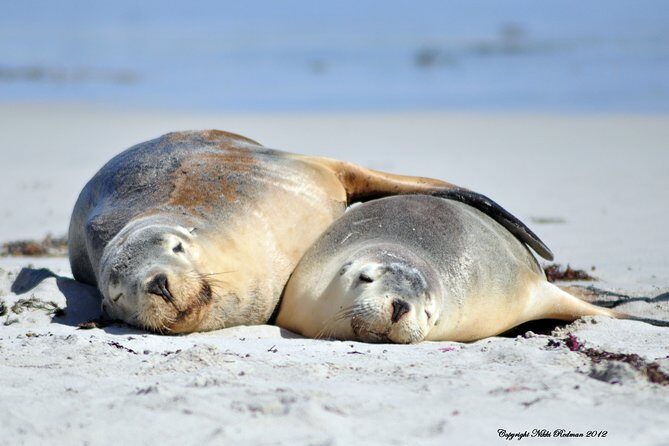
Seal Bay Conservation Park is the wildlife headline, and the tour uses that fame in a thoughtful way. Here, you hear about the sealing industry through Ngarrindjeri eyes—and you also get myth and meaning, including stories about an ancient being and relationships between figures in cultural storytelling (like Pungari the seal and Kondoli the whale).
Yes, you’re still there for seals. But the difference is that you’re learning what people have understood about this place for generations, not just reading a sign. That context makes the viewing feel less like entertainment and more like a connection to a living environment.
Timing is also something to manage. The Seal Bay stop is about 45 minutes with an admission ticket included, so it’s plenty of time to see seals and take photos, but not enough for a long wander. If you love wildlife and want maximum time at one spot, this is the portion where you’ll want to be ready to move quickly to the best viewpoints early.
A few more Adelaide tours and experiences worth a look
Photo tip that matters
Bring spare camera batteries. The tour notes that camera supplies on Kangaroo Island are limited, and with a long day and lots of photo moments, you don’t want to run out mid-afternoon.
Vivonne Bay lunch: a meal tied to Nurrunderi and the spirit world
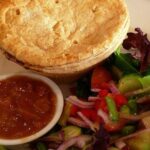
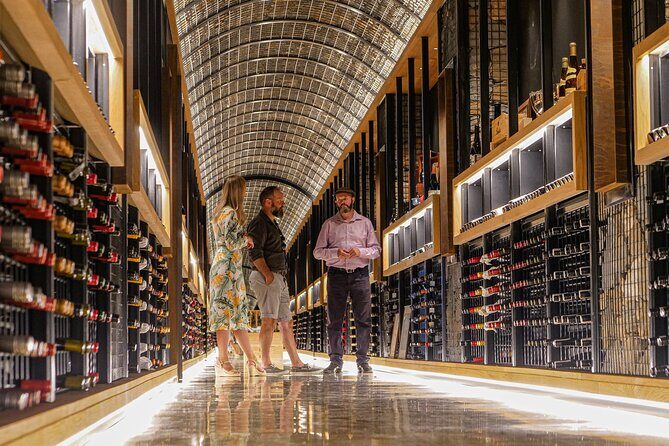
After Seal Bay, you head to Vivonne Bay for a two-course lunch, and the meal is linked to a story: the Nurrunderi creator story and the spirit world (Kalowinyeri). It’s a smart choice for a tour day because it breaks up the wildlife intensity with something calmer—then ties that calm moment back to culture.
This is where the experience can feel most human. Food helps you slow down. Even if you only catch the key parts of the story, you’re still experiencing the day as a narrative, not a checklist.
The Vivonne Bay block is about 1 hour 25 minutes, and admission here is marked as free. Translation: you’re paying for the guided day and the cultural interpretation, not for a bunch of extra micro-tickets.
One more real-world point: dietary needs matter here. If you have allergies or dietary requirements, you need to advise them at booking. Requests after the tour starts cannot be catered for, so don’t assume you can handle it on the day.
Flinders Chase National Park: rugged western views and wildlife chances
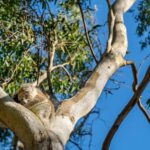
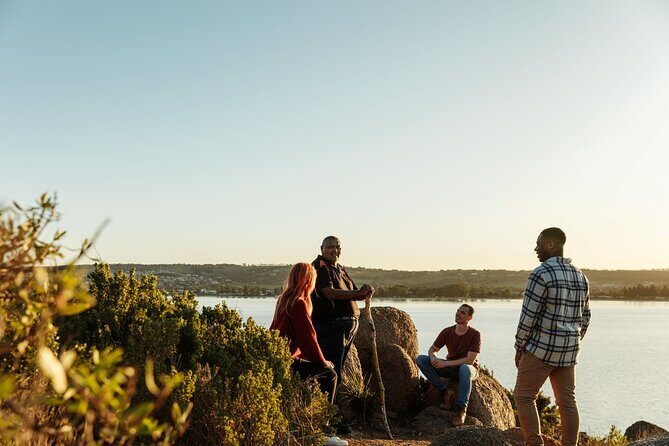
From Vivonne Bay, the day moves toward Flinders Chase National Park, on the western side of the island. This is where you’ll be hunting for wildlife: you’ll keep an eye out for echidnas, wallabies, reptiles, and koalas as you travel through the park area.
The exact wildlife sightings aren’t guaranteed in the information you’re given, but this is the right kind of stop if you like moving around and scanning for movement. You’re not just standing in one place; you’re traveling through a landscape that gives you repeated chances to spot animals.
The stop is about 1 hour 45 minutes, with an admission ticket included. That’s a reasonable chunk for a wildlife-and-coast day, but again, it’s not a full hiking day. You’ll want to treat it as guided spotting plus viewpoints, not a long trek.
Practical reality check: wear your sunscreen and hat. You’ll likely be in the sun for stretches, and you’ll want to stay comfortable in both heat and wind.
Penneshaw return and boxed dinner: the day ends with a ferry rhythm
After Flinders Chase, the tour heads back to Penneshaw via coach. There’s a 30-minute stop back in Penneshaw, and you’ll have a boxed dinner before you meet your return ferry and transfer back to Adelaide.
This is a key detail for planning your energy. Because the day is about 16 hours total, you’ll need to pace yourself. The lunch earlier helps, and the boxed dinner keeps you from having to hunt for food during the late-day ferry rhythm.
I like that the tour is designed around the ferry timing rather than pretending you’ll magically find dinner right when you arrive. It’s one less stress point on a long day.
Price and value: what $397.15 buys on a long day
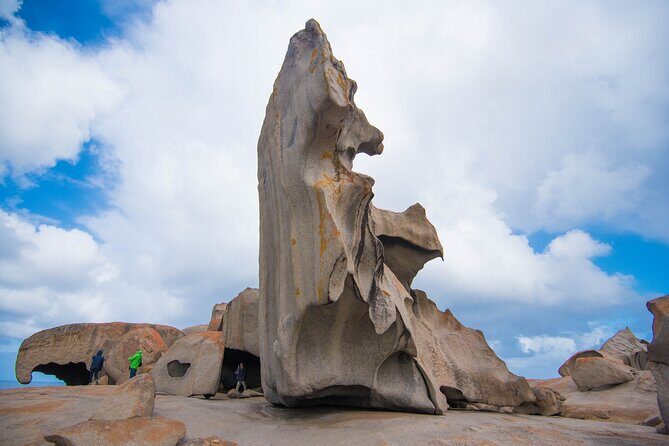
The price is $397.15 per person. That’s not cheap, and you should judge it on what you actually get—not on the number alone.
Here’s the value logic I see:
- You’re paying for return coach and ferry transfers to Kangaroo Island, not just the land-based sightseeing.
- You’re paying for entrance fees and special permits tied to the stops.
- You’re paying for a small-group format (max 20) plus expert commentary from an Ngarrindjeri elder, Mark Koolmatrie.
- Lunch is included, plus you’re given a boxed dinner later in the day.
Where you should be careful: if you compare this to a shorter or more basic day tour, you might feel this option costs more because it leans into interpretation and included transport time. That’s the trade-off. You’re buying meaning and context, plus a guided narrative through multiple locations.
My rule of thumb: if you value culture-led storytelling as much as wildlife time—and you’re happy with a structured day—this price can feel fair. If you mainly want unstructured free time, it might sting.
How to survive the schedule: 6:45am starts and a full 16 hours
The day begins at 6:45 am at Adelaide Central Bus, Franklin St 83 Franklin St, Adelaide SA 5000. You’re looking at about 16 hours total, and that means you’ll spend real time in transit even with an air-conditioned vehicle.
That can sound brutal, but for Kangaroo Island, it’s the normal reality. You’re fitting the island into a same-day loop from Adelaide, and the ferry timing drives a lot of what happens.
If you want the best experience:
- Start the day rested.
- Bring water and plan to snack early if you normally need it.
- Keep your camera ready so you don’t lose time once the wildlife spotting begins.
Also, note the day requires good weather. If conditions are poor, the tour won’t run as planned and you’ll be offered a different date or a full refund.
What to pack for Kangaroo Island in one day
The tour gives practical packing advice, and I agree with it. Bring:
- Sunscreen and a sun hat
- Comfortable walking shoes and casual/comfortable clothes
- A warm top and a rain jacket, since conditions can change at any time of year
- Personal medication
- Spare camera batteries (camera supplies are limited)
And one small mindset tip: treat this as a day where you’ll be switching between sun, wind, and short walking bursts. Layers make the day easier.
Who should book this Indigenous Kangaroo Island tour
This tour is a great match if you:
- Want a culture-led Kangaroo Island day, not just a wildlife drive
- Appreciate hearing stories tied to specific places and seeing the land through that lens
- Prefer a small personalized group where you can ask questions
- Are okay with a long day and structured stops
It may be less ideal if you:
- Want lots of free time to roam independently
- Get impatient with guided interpretation and prefer purely scenic stops
- Are traveling with very tight timing constraints in Adelaide that can’t flex
One more good point: service animals are allowed, and the format says most people can participate. If you have specific limitations, it’s still worth asking questions before you book.
Should you book it? My straight answer
Book this tour if you want Kangaroo Island with context—bush foods, bush medicines, Ngarrindjeri storytelling, and then real wildlife time at Seal Bay and Flinders Chase. The small group size and the presence of Ngarrindjeri elder Mark Koolmatrie are the core reasons to choose it, and the included transport makes it easier than piecing it together yourself.
Skip it (or look for an alternative) if you’re mainly chasing maximum free roaming time or you’re not interested in interpretation. It’s priced like a premium guided day, and part of that premium is the cultural teaching plus the included ferry/coach loop.
If you’re the kind of person who loves learning while you travel—this one-day format can leave you feeling like you actually understand what you saw.
FAQ
What time does the Kangaroo Island Indigenous Tour start from Adelaide?
The start time is 6:45 am, with pickup at Adelaide Central Bus, Franklin St 83 Franklin St, Adelaide SA 5000.
How long is the tour?
The duration is about 16 hours.
How much does the tour cost?
The price is $397.15 per person.
What’s included in the price?
Included are air-conditioned vehicle, all entrance fees and special permits, return coach and ferry transfers to Kangaroo Island, personalised touring with expert commentary from Ngarrindjeri elder Mark Koolmatrie, and lunch.
How big is the group?
The tour has a maximum of 20 travelers.
Are admission tickets included for the main parks?
Yes. Admission tickets are included for Seal Bay Conservation Park and Flinders Chase National Park. Vivonne Bay is listed as free.
Is there food on the tour?
You’ll have a two-course lunch at Vivonne Bay, and you’ll also be provided a boxed dinner when you return to Penneshaw before the ferry.
Do you need good weather for the tour to operate?
Yes. The tour requires good weather. If it’s cancelled due to poor weather, you’ll be offered a different date or a full refund.
Can you request dietary or allergy changes?
You should advise specific dietary or allergy information at the time of booking. Requests once the tour has commenced cannot be catered for.
Is it suitable for people who use public transportation or have service animals?
The meeting point is near public transportation, and service animals are allowed. The tour also states most travelers can participate.