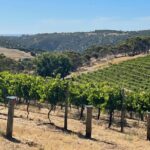
A farm tour that explains skincare like science. This 90-minute Jurlique Farm Tour shows how biodynamic growing supports the ingredients used in their pure natural skincare, with hands-on garden moments like plant variety tips and product tastings in the grounds. I especially like the clear farm-to-bottle storyline and the fact the tour feels interactive rather than like a lecture. One possible drawback: transfers aren’t included, so you’ll need your own ride to the meeting point in Biggs Flat.
If you’re in the Adelaide Hills, this is a smart way to spend a morning or afternoon getting outside and learning something practical about growing plants without getting lost in jargon. You’ll hear about the company’s history, then move through what actually happens on the farm from propagation to harvest, including how soil fertility and compost fit into the biodynamic approach.
Because it runs about 1 hour 30 minutes and caps at 50 people, it’s not a huge production. That can be great for keeping things moving, but it also means you may want more time at the end if you’re the type who loves lingering in gardens.
In This Review
- Key things you’ll notice on the Jurlique Farm Tour
- Jurlique’s Adelaide Hills farm tour: why 90 minutes feels like more
- What’s actually included (and why that matters for your money)
- Your guide and the group size: the tour stays human
- Entering Jurlique Farm: history first, then the plant journey
- Propagation, plant varieties, and what they’re used for
- Biodynamic farming principles, explained for visitors
- Soil fertility and compost production: the unglamorous part that matters
- Harvest process: how the ingredient story gets real
- The interactive garden moments and product sampling
- Price, timing, and booking: planning for a smooth visit
- Who should book the Jurlique Farm Tour?
- Should you book Jurlique Farm Tour? My take
- FAQ
- How long is the Jurlique Farm Tour?
- What does the $28.69 ticket include?
- Where does the tour start?
- Does the tour use a mobile ticket?
- Are transfers included?
- How big is the group?
- Are service animals allowed?
- Can I cancel for a full refund?
Key things you’ll notice on the Jurlique Farm Tour
- Biodynamic farming explained step-by-step through soil, compost, and how plants are grown
- Propagation and harvest in the spotlight, so you see the ingredient story from early stages to picking
- Interactive garden time where plant varieties and their uses get explained in plain language
- A friendly ambassador-led pace, with comments highlighting guides like Lexi and an inclusive vibe for solo visitors
- Value for the price since the ticket includes the full 90-minute guided tour experience
Jurlique’s Adelaide Hills farm tour: why 90 minutes feels like more
Jurlique is known for natural skincare, but this tour makes the connection tangible. Instead of seeing skincare only as a shelf product, you get to watch how the raw material mindset starts out in the Adelaide Hills—with plants, soil, and farming choices. It’s a great switch of gears if you’ve spent your trip hopping from one view to another and want something slower, grounded, and educational.
The timing matters: about 1 hour 30 minutes is long enough to follow a full cycle on the farm (starting with how seedlings and plants are propagated and ending with the harvest process), without dragging. You also get a guided format led by a Jurlique Ambassador, so you’re not stuck reading signs.
You should expect a mix of talk and looking around the gardens and farm areas. The best part is how the tour connects the “why” behind biodynamic farming practices to real outcomes you can see—especially the way the process supports soil fertility and compost production.
Other Jurlique Farm experiences reviewed in Adelaide
What’s actually included (and why that matters for your money)
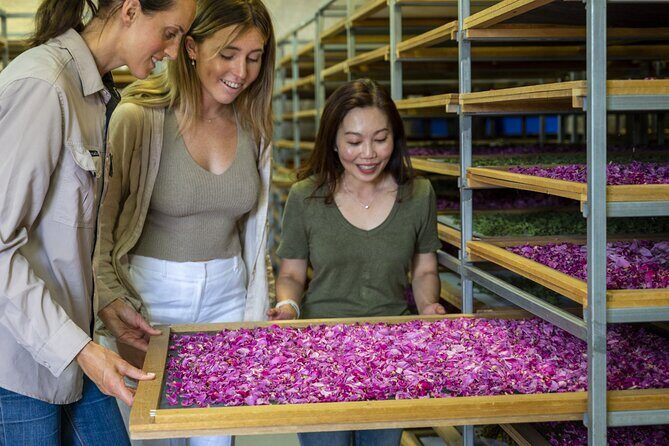
This ticket is priced at $28.69 per person and includes a 90-minute guided farm tour with a Jurlique Ambassador. For many sightseeing experiences, the expensive part is usually the guidance and access. Here, the price is essentially buying time with someone who can explain the farm and link it back to Jurlique’s skincare ingredient philosophy.
A small but meaningful point: it’s a mobile ticket, which makes check-in easier if you’re juggling phones, maps, and travel days. Also, the group size has a ceiling at 50 travelers, which usually helps tours stay organized and keeps the guide’s attention from getting spread too thin.
Is it a deal? It’s a good value if you care about how skincare ingredients are grown and processed, or if you just like farm life and gardens. If you’re expecting a hands-on workshop with heavy participation, you might find it more of an interpretive guided stroll than a full activity class—but the interactive garden feel is a real highlight from people who’ve done it.
Your guide and the group size: the tour stays human
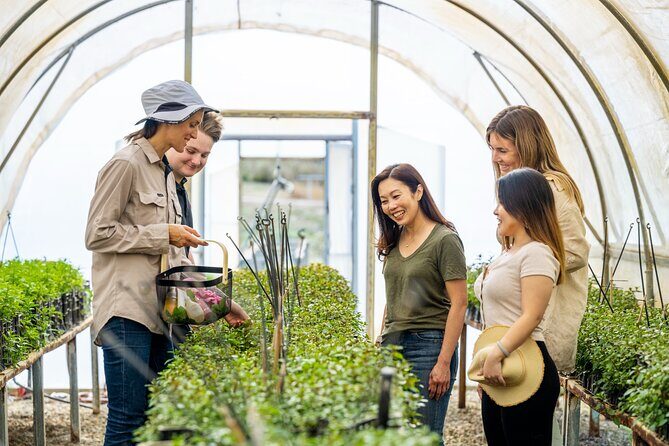
The format is set up to feel approachable. The tour runs with up to 50 people, which is big enough that it still has an easy group atmosphere, but small enough that you’re not anonymous in the crowd. The tone is designed for visitors, including solo travelers, and the pace is described as comfortable for everyone.
One name you might hear is Lexi—she’s been praised for being friendly and for keeping the experience flowing at a pace that doesn’t leave people behind. Even if you don’t get the same guide, the overall structure seems built around conversation, not just announcements.
If you like asking questions, bring a few ready. Tours like this work best when you treat the ambassador like a farm interpreter: ask how specific plants are used, or what biodynamic practices look like in everyday work.
Entering Jurlique Farm: history first, then the plant journey
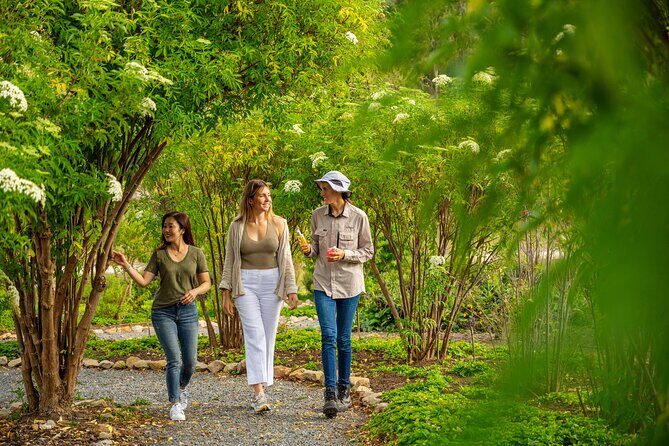
The tour starts at Jurlique Farm at 31 Liebelt Rd, Biggs Flat SA 5153. The first segment is about the history of Jurlique—not as a long corporate timeline, but as context for why this farm tour exists. It’s a helpful warm-up if you’re curious where Jurlique’s approach comes from and how “farm-grown” became central to the brand.
Then the focus shifts into the practical world of plants:
- how seedlings and plants are propagated
- which plant varieties are grown and what they’re used for
- how the harvest process works
That sequence is smart. You start with the beginning—plant starts—then move to what’s being grown and why, and finally to how the plants are collected. It’s an easy story to follow, especially when your guide can connect each stage to skincare ingredient thinking.
Propagation, plant varieties, and what they’re used for
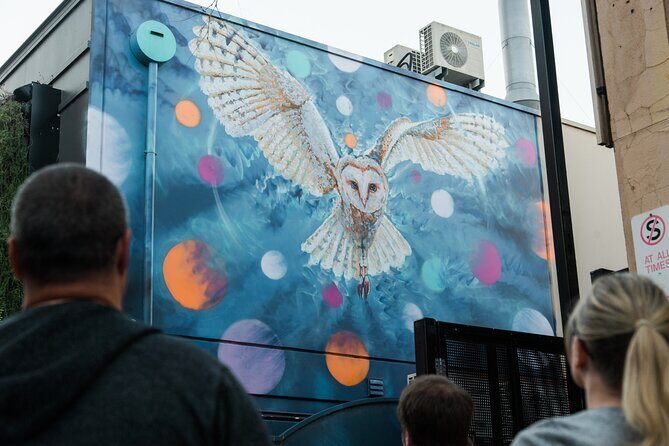
This is one of the most satisfying parts because it turns “green things” into named, purposeful plants. When a tour talks about propagation, you’re basically learning how new plants get started. On this farm, that’s part of the larger reliability goal: producing ingredients consistently by understanding early plant development.
You’ll also hear about different plant varieties and their uses. The value here isn’t that you memorize names. It’s that you walk away with a clearer mental model of how a brand’s ingredient selection connects back to real botanical choices made in the field.
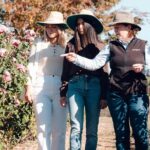
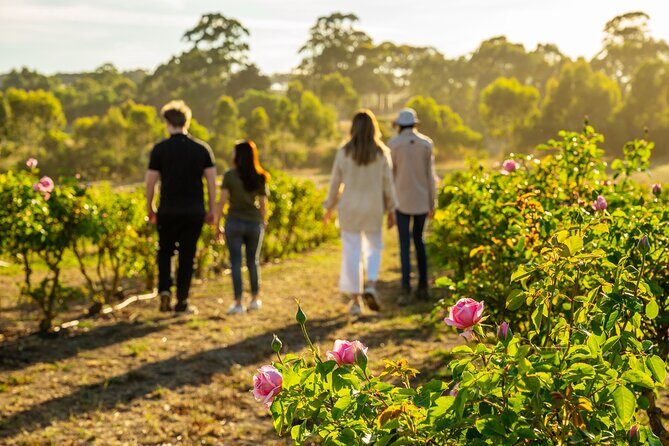
And yes, there’s a garden component that people describe as interactive. If you enjoy walking among plants and being shown how they matter, you’ll probably feel more engaged here than in tours where you mostly look at a display board.
A few more Adelaide tours and experiences worth a look

Biodynamic farming principles, explained for visitors
The tour doesn’t just say biodynamic. It points you toward what it means on the ground: biodynamic farming principles and how those ideas shape routine farm work.
In practical terms, you’ll likely be hearing about the relationship between the farm’s living systems—soil health, compost, and how plants are cared for—rather than just a list of rules. You can think of it as a way of treating the farm like an ecosystem where the soil is part of the ingredient pipeline.
Even if you’re new to biodynamic methods, this section helps you connect concepts to visible practices. People tend to enjoy these kinds of explanations when they’re grounded in what you can point at in front of you: soil work, compost activity, and the logic behind healthier growth.
Soil fertility and compost production: the unglamorous part that matters
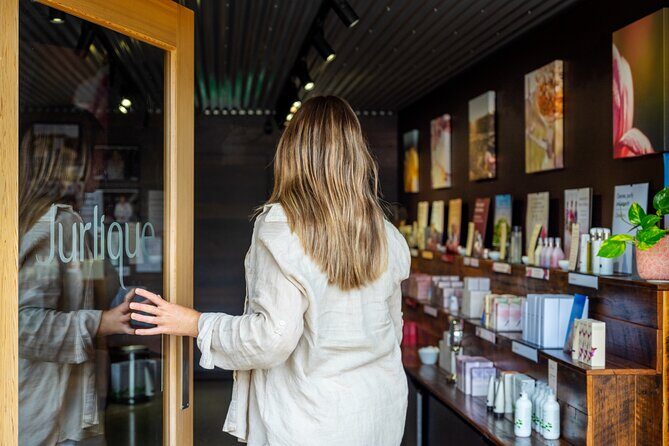
Here’s where the tour earns its keep. It includes time on soil fertility and compost production, which may not sound exciting at first. But on a biodynamic farm, this is basically the engine room.
If you’re a “show me why this matters” person, this section delivers. Healthy soil and good compost aren’t just farming buzzwords—they’re the reason plants grow the way they do, and why ingredient sourcing can be more consistent over time.
From a visitor perspective, the best part is that compost and fertility discussions usually turn into a more grounded conversation. You stop thinking about skincare as something created in a lab and start understanding it as something influenced by farming decisions.
Harvest process: how the ingredient story gets real
The tour includes the harvest process, which is the moment where theory meets the work of timing, picking, and turning plant material into something usable downstream. You don’t need to be a horticulture expert to find this part interesting—because it’s about real-world steps and farm rhythm.
Harvest is also a good “wrap-up” theme. When you’ve already heard about propagation and plant varieties, harvest makes the full sequence click. You can see how one stage depends on the previous stage.
One small note: because the tour is about 1 hour 30 minutes, you’ll get a guided overview rather than a detailed operational manual. That’s not a flaw; it’s a tradeoff. If you want hands-on harvesting, you’d need a different type of experience. But for a farm tour built for general visitors, the overview fits well.
The interactive garden moments and product sampling
Two review highlights point to what makes this more fun than a standard “walk and listen” tour. First, the experience includes interactive garden time—particularly around how botanicals are used in the products. That link matters because it helps you interpret what you’re seeing.
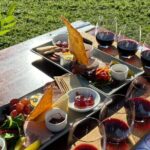
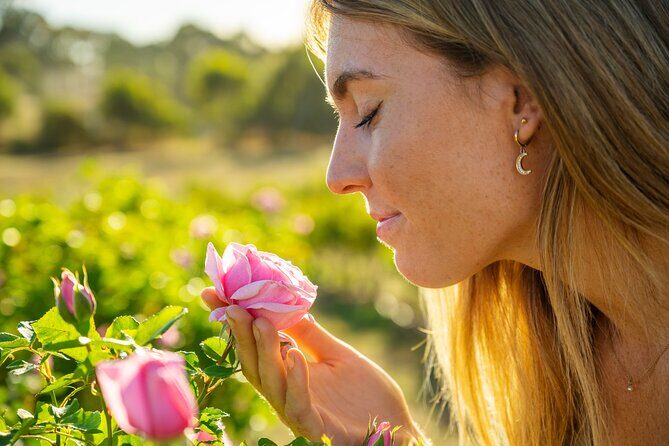
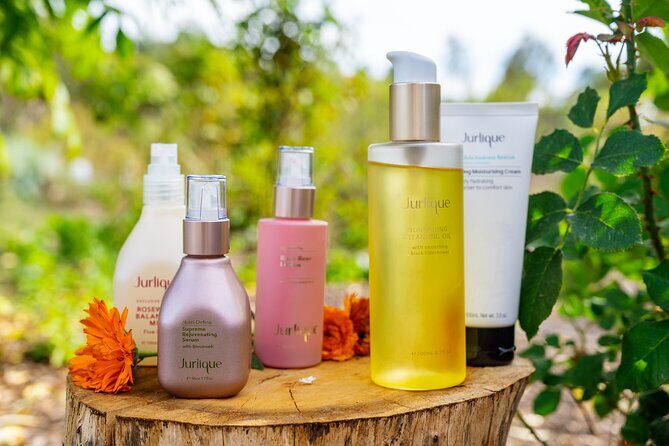
Second, there’s mention that you can try a few products in the garden. That kind of moment helps you connect the smell, texture, and intent of the skincare to the plants you just learned about.
If you’re the type who likes finishing a tour with a tangible takeaway (even a small one), this is a nice fit. Even if you don’t buy anything, the product sampling makes the farm story feel less abstract.
Price, timing, and booking: planning for a smooth visit
Let’s talk practicals. The cost is $28.69 for about 90 minutes, and the tour is often booked around 28 days in advance on average. That’s a clue that it’s popular, especially for travelers who want farm experiences in the Adelaide Hills while their schedule allows.
You also get confirmation at booking time, which is helpful if your itinerary is still under construction. The tour uses a mobile ticket, so you don’t need paper tickets or extra printing.
The one planning item you must handle: transfers aren’t included. The meeting point is in Biggs Flat, so you’ll want to arrange your own transport ahead of time. If you’re relying on rides, build in extra buffer for timing.
Who should book the Jurlique Farm Tour?
This tour is a good match if:
- you want a calm Adelaide Hills experience that mixes gardens with farming education
- you like skincare, but you also want to understand the ingredient sourcing behind it
- you prefer a guided group that feels organized, not overwhelming (max 50 people)
It may be less satisfying if:
- you only want views and don’t care about agriculture or how plants are grown
- you’re looking for a long, deep technical session (this is timed for a general visitor experience)
Overall, it’s the kind of tour that works well when you pair it with other Adelaide Hills activities. You get a learning break from pure sightseeing, and you leave with a clearer sense of how an ingredient-driven brand connects to farming practice.
Should you book Jurlique Farm Tour? My take
If you enjoy gardens, nature walks, and explanations that connect what you’re seeing to something real, I’d book it. The value is strong because your ticket includes the full guided 90-minute tour, and the tour structure seems designed to keep you involved—especially with interactive garden moments and the chance to try a few products.
Just plan your logistics around the fact that transfers aren’t included, and don’t expect this to be a full-day excursion. If your time is limited and you want a high-quality Adelaide Hills stop with a clear story from propagation to harvest, this one makes sense.
FAQ
How long is the Jurlique Farm Tour?
The tour runs for approximately 1 hour 30 minutes.
What does the $28.69 ticket include?
The ticket includes a 90-minute guided farm tour with a Jurlique Ambassador.
Where does the tour start?
The meeting point is Jurlique Farm, 31 Liebelt Rd, Biggs Flat SA 5153, Australia.
Does the tour use a mobile ticket?
Yes, the tour uses a mobile ticket.
Are transfers included?
No. Transfers to and from the meeting point are not included.
How big is the group?
The tour has a maximum of 50 travelers.
Are service animals allowed?
Yes, service animals are allowed.
Can I cancel for a full refund?
Yes. You can cancel up to 24 hours in advance for a full refund.