Adelaide hides art in plain sight. This 2-hour walking tour threads you off the main roads into back streets and laneways where murals and street creations live on walls, floors, and corners you’d normally miss.
You get over 40 street-art stops in a tight route, plus stories that connect the art to the city and the people who shaped it. I also like that you leave with a digital map for more exploring after the walk.
One thing to plan for: it’s not a sit-down experience. If you can’t manage about 3 km of walking in 2 hours, this route may feel like too much.
In This Review
- Key highlights worth planning for
- Why Hidden Adelaide’s street-art lane crawl is such good value
- Meeting point, finish, and the pace you should expect
- Stop 1: Pilgrim Uniting Church and the feeling of art as a local voice
- Stop 2: Grenfell Street’s story-laden wall-hopping
- Stop 3: Rundle Mall for quick context, then straight back to the lanes
- Stop 4: Hindmarsh Square and the transition into longer laneway time
- Stop 5: Rundle Street East, where the tour’s longer art time pays off
- The stories that make the art feel connected to Adelaide
- What you get after the walk: maps, recs, and more art time
- Who this tour fits best (and who might skip it)
- Should you book Hidden Adelaide: Laneways and Street Art Tour?
- FAQ
- How long is the Hidden Adelaide: Laneways and Street Art Tour?
- Where does the tour start and when does it begin?
- Where does the tour end, and how do I get onward?
- What does the tour cost?
- Is admission included for the main stops?
- What’s included with the ticket?
- Is bottled water included?
- How much walking is involved?
- What group size should I expect?
- What happens if weather is poor or the tour doesn’t meet its minimum?
Key highlights worth planning for
- Small group size (max 12) keeps the pace human and questions easy.
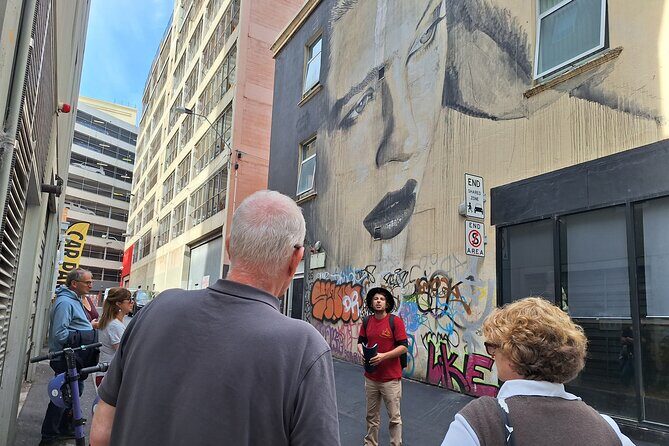
- 40+ pieces of street art along the way, so you won’t spend the whole tour hunting for “the one mural.”
- Stops include landmark corners like Rundle Mall, Grenfell Street, and Hindmarsh Square, then switch into laneway mode.
- Guide stories add meaning, including references to Adelaide’s original market area and notable local characters.
- You get two digital maps, one for top hot spots and one for extra street art to chase on your own.
- Charity donation included, so your ticket supports a local cause beyond your photos.
Why Hidden Adelaide’s street-art lane crawl is such good value
At $45.90 per person for about 2 hours, this isn’t just a quick mural photo walk. You’re paying for a guide who helps you notice what you’d otherwise walk right past, plus practical takeaways you can use after the tour.
The biggest “value” comes from the format. You’ll hit the busy city bones (places like Rundle Mall and Grenfell Street), but you’ll also get time in the quieter back streets where the street art tends to feel more personal and less staged. That mix matters. You get context from the main lanes, then relief in the smaller corridors.
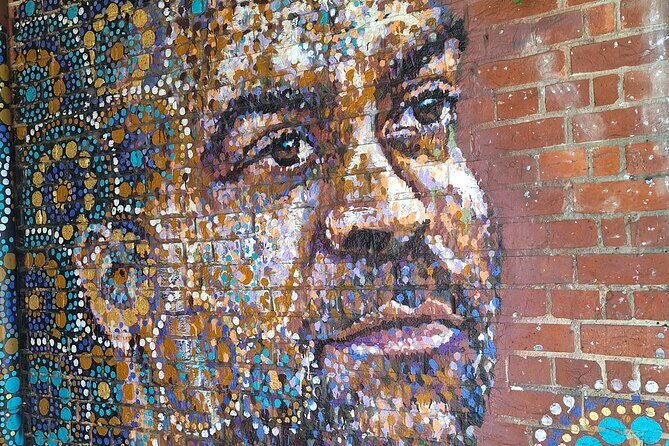
I also like that the tour includes more than art viewing. The guide builds in local stories (things like Adelaide’s early business characters and the idea of an original market area), and the route includes details that aren’t just on walls. The tour even points out clever touches you might only notice if someone is specifically directing your eyes downward—like art underfoot—and small, odd details such as Adelaide’s smallest door.
And yes, you’ll walk. But you’ll walk with a purpose, not just wander. For many first-time visitors, that’s the fastest path to get your bearings fast.
Other Adelaide walking tours reviewed in Adelaide


Meeting point, finish, and the pace you should expect

The tour starts at 25 Pirie St, Adelaide SA 5000 with an afternoon start time of 2:00 pm. The walk runs for about 2 hours, and it finishes on Hindley Street in Adelaide’s west end. The guide keeps you sorted at the end, too—your tour ends at Lot Fourteencorner of North Terrace and Frome Rd, and from there it’s about a 5-minute walk to the tram or train.
The small group size—up to 12 people—is a real quality-of-life factor. It usually means the guide can pause for questions without turning it into a slow-motion traffic jam.
Do plan for weather. The experience requires good weather, and if it’s cancelled for poor conditions, you’ll be offered a different date or a full refund. Also, bottled water isn’t included, so if Adelaide heat is in the cards, bring your own.
One practical tip: wear shoes you trust. This is a city-walking tour, and it’s described as not recommended if you can’t manage roughly 3 km over 2 hours.
Stop 1: Pilgrim Uniting Church and the feeling of art as a local voice
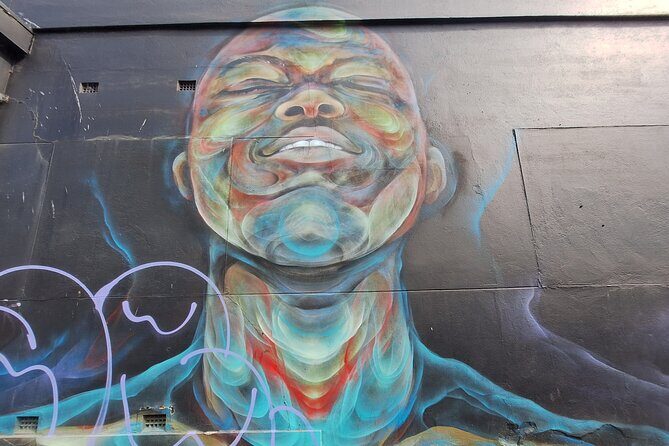
You begin at Pilgrim Uniting Church, and this opening stop sets the tone. Instead of starting in a bright, obvious tourist spot, the tour starts where street art can feel integrated into the city’s everyday rhythm.
At this stop, you’ll get time to wander past a chunk of street art and learn about the art and the artists behind it. That learning piece is the difference between looking at a wall and actually reading it. The guide’s job is to connect style, placement, and local references so the art starts to make sense as you walk.
Why I like this first stop: it trains your eyes early. If you start noticing details like layering, tagging styles, stencils, and installations before you move to the busier areas, you’ll enjoy the rest of the tour more. It’s also a good moment to orient yourself, since the route soon shifts toward higher-traffic streets.
Stop 2: Grenfell Street’s story-laden wall-hopping
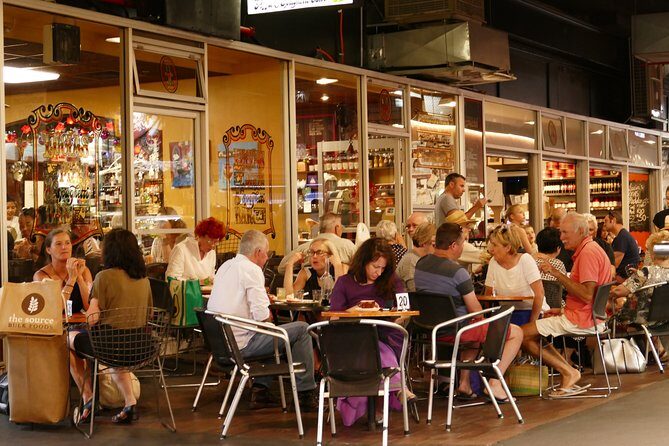
Next you move to Grenfell Street for another short stop. It’s quick—about 10 minutes—but the point isn’t to linger. It’s to help you learn how to “read” street art quickly while still noticing the important elements.
The tour format keeps showing you different types of visual work and different ways artists claim space. You’ll keep hearing what to look for, and you’ll keep getting context on the art and artists. This matters most if you’re not a street-art specialist. The guide helps you avoid the all-or-nothing approach of either loving everything or ignoring it because you don’t know the names.
One small drawback to keep in mind: short stops mean you can’t rely on your phone camera to do all the work. You’ll want to actually look for a few seconds at a time—especially if you’re chasing details like smaller text, layered paint, and less obvious installations.
Stop 3: Rundle Mall for quick context, then straight back to the lanes
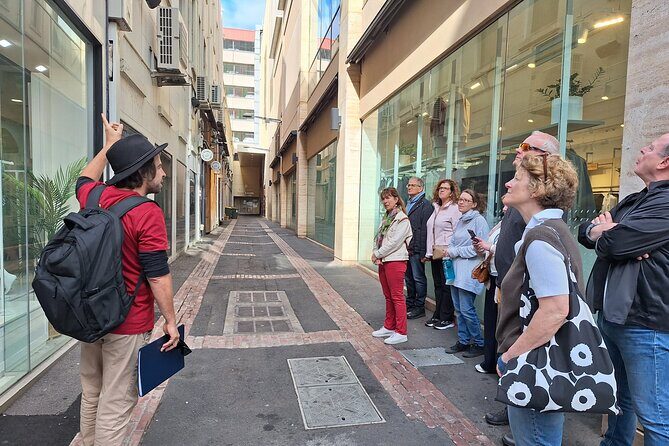
Then you hit Rundle Mall for about 20 minutes. This is your “anchor” moment—an area that’s easy to reach and easy to recognize, but it’s also where the tour helps you shift from general sightseeing to street-art attention.
In practical terms, Rundle Mall gives you a reference point. After that, the route turns into something more exploratory, and your brain already has city orientation. That makes the laneways feel less like a maze and more like a guided walk.
If you’re hoping for more time in the quieter back streets, this stop can feel like the busy “middle.” But I found it works as a reset. You get enough time to see what’s around you, then you move on while your legs still feel fresh.
A few more Adelaide tours and experiences worth a look

Stop 4: Hindmarsh Square and the transition into longer laneway time
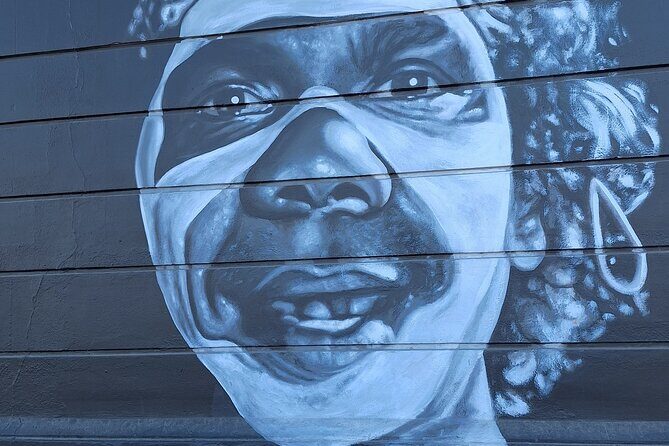
From Rundle Mall you shift to Hindmarsh Square for about 10 minutes. This stop is short, but it’s useful because it signals the change in pace and scenery. You’re moving from the more open, central feel into the area where the tour’s laneway focus becomes more pronounced.
This is also a great place to pay attention to the way the art sits in relation to pedestrian flow. Street art here isn’t just decoration—it’s part of how people move through the city. The guide’s explanations keep you from treating it like random graffiti and help you notice how the work interacts with the location.
If you’re traveling with someone who worries about whether a street-art tour will be “too abstract,” Hindmarsh Square is a good reassurance stop. It keeps things grounded and easy to follow.
Stop 5: Rundle Street East, where the tour’s longer art time pays off
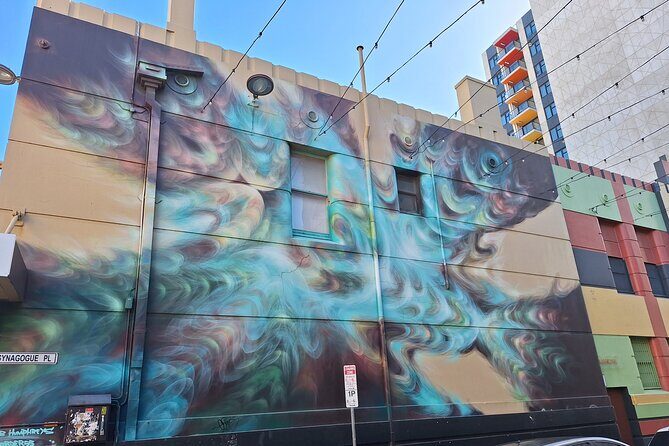
The final major stop is Rundle Street East, with about 45 minutes—the longest chunk of the walk. This is where you’ll likely feel the tour settle into its real rhythm: slower viewing, more explanation, and more chances to compare different pieces.
Expect plenty of time to wander past the street art and hear about how the art and artists fit the city’s changing urban culture. This stop is also where you’ll benefit most if you like contrasts: big walls versus smaller surfaces, obvious murals versus installations you might miss unless someone is pointing them out.
I like this end-of-tour strategy because it gives you a proper “walk-off” moment. After seeing several shorter stops, you finish with enough time to actually absorb what you’ve seen.
And since the tour ends near Hindley Street, you’re also set up to keep going—either by tram/train or by grabbing food and mapping your next art chase.
The stories that make the art feel connected to Adelaide
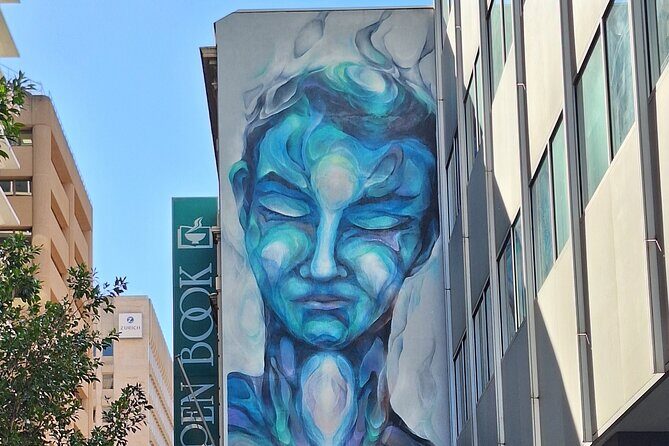
The street art is the main event, but the real win here is how the guide connects the visuals to Adelaide itself. Along the route, you’ll hear about Adelaide characters and lesser known parts of the city. You’ll also get pointers to details that most people don’t notice on their own.
A few of the standout story angles to expect:
- You’ll hear about Adelaide’s first business woman.
- You’ll learn about the original market area and what it meant for the city’s early days.
- The guide may show you Adelaide details like the smallest door, plus creative work that can appear in unexpected spots, including beneath your feet.
Why that matters for your experience: street art can look like style on a wall, or it can look like community memory. When you get the context, you stop treating it like random color and start recognizing it as communication—sometimes political, often personal, and always local.
This is also where I appreciated the guides by name. On this tour, you might tour with Dax, who has been praised for art and artist knowledge, and sometimes with another guide like Rob alongside. Having a confident guide changes the whole feel of a tour like this.
What you get after the walk: maps, recs, and more art time
The tour isn’t just a 2-hour event with a photo stop and a goodbye. You get:
- Personalised recommendations for what to see and do during your stay
- A digital map of top Adelaide hot spots
- Another digital map of more street art you can explore on your own
- A local guide plus the built-in street-art orientation as you walk
For me, this is the “smart traveler” part. You’re not left wondering what to do next. Instead, you can use the maps to keep your momentum rolling and decide what fits your energy level.
Also, the ticket includes a donation to local charity. I like experiences that connect to the city beyond the visitor lens. It won’t change your photos, but it can change your feeling about what you just did.
One small planning note: since bottled water isn’t included, make sure you’ve got a plan for hydration. Adelaide afternoons can be unforgiving even when the sky looks friendly.
Who this tour fits best (and who might skip it)
This tour is a strong match if you:
- Want street art without a specialist attitude. The guide helps you understand what you’re seeing.
- Like walking tours that show the city in a way that feels more local than tour-bus generalities.
- Enjoy off-main-road details and want a short, focused way to explore laneways.
It also works well if you’re returning to Adelaide and you think you know it. A good street-art route can still surprise you because it teaches you to look differently, not just look more.
Skip or consider a different option if:
- You can’t manage about 3 km over 2 hours.
- You hate walking in changing weather and need a more indoor-friendly experience. The tour requires good weather.
Should you book Hidden Adelaide: Laneways and Street Art Tour?
If you want Adelaide by foot—right into the backstreets where art lives—you should book this. The mix of main-city landmarks and laneway time is smart, and the digital maps make it easy to keep exploring after the tour ends.
At $45.90, you’re paying for guide-led noticing, not just a self-guided wander. And if you’re the type who likes stories behind what you see—business characters, early city notes, and details like Adelaide’s smallest door—you’ll get more out of the murals than a photo dump.
Just plan for walking, bring water, and keep an eye on the weather. Do that, and you’ll come away with a different version of Adelaide in your head.
FAQ
How long is the Hidden Adelaide: Laneways and Street Art Tour?
The tour runs for about 2 hours.
Where does the tour start and when does it begin?
It starts at 25 Pirie St, Adelaide SA 5000 and begins at 2:00 pm.
Where does the tour end, and how do I get onward?
The tour finishes around Hindley Street in the west end of Adelaide, at Lot Fourteencorner of North Terrace and Frome Rd. It’s about a 5-minute walk to the tram or train, and the guide can help with directions.
What does the tour cost?
The price is $45.90 per person.
Is admission included for the main stops?
Admission is listed as free for the stops included in the itinerary.
What’s included with the ticket?
You get a local guide, street-art and laneway storytelling, a digital map of top Adelaide spots, an extra digital map for more street art, and personalised recommendations. The ticket also includes a donation to local charity.
Is bottled water included?
No, bottled water is not included.
How much walking is involved?
The tour is not recommended if you can’t walk about 3 km in 2 hours.
What group size should I expect?
The tour has a maximum of 12 travelers.
What happens if weather is poor or the tour doesn’t meet its minimum?
The experience requires good weather. If it’s cancelled due to poor weather, you’ll be offered a different date or a full refund. It may also be cancelled if the minimum number of travelers isn’t met, with a different date/experience or a full refund offered.