REVIEW · ADELAIDE
Barossa Valley: Hop-On Hop-Off Tour
Book on GetYourGuide →Operated by TrailHopper Tours · Bookable on GetYourGuide
Winery hopping without the driving stress.
This 8-hour hop-on hop-off bus day in Barossa Valley lets you choose which cellar doors to visit, then return to Adelaide on a regular timetable. You get scenic countryside views and historic village stops, all built around a simple, flexible structure.
I love the freedom to build your own day from a long list of winery drop-offs. I also love the way drivers keep things running smoothly, with standout names like Nathan, Bronny, Laurel, Yvette, and Brett showing up again and again for helpful, friendly guidance. The main drawback is time math: you get only four 1-hour stops, so lingering too long at one place can cut your total winery count.
In This Review
- Key things to know before you ride
- Adelaide to Barossa: the part where you stop thinking and start sightseeing
- The four 1-hour stops: how to plan a good day without rushing
- Choosing wineries: 15+ options and how to shop smarter at cellar doors
- Scenic villages and food stops: how to eat well when food isn’t included
- Getting around: transport that saves your energy, not your curiosity
- Price and value: is $70 a smart use of your day?
- Who this fits (and who should skip it)
- Practical tips for your Barossa day (so you enjoy it more)
- Should you book this Barossa hop-on hop-off tour?
- FAQ
- How long is the Barossa Valley hop-on hop-off tour?
- Where does the tour start in relation to Adelaide?
- Is this tour hop-on hop-off or a fixed itinerary?
- How many wineries can I visit?
- Are wine tastings included?
- Is food included?
- What time do I return to Adelaide?
- What should I bring?
- Can I bring large luggage or bags?
- Is the tour suitable for wheelchair users?
Key things to know before you ride
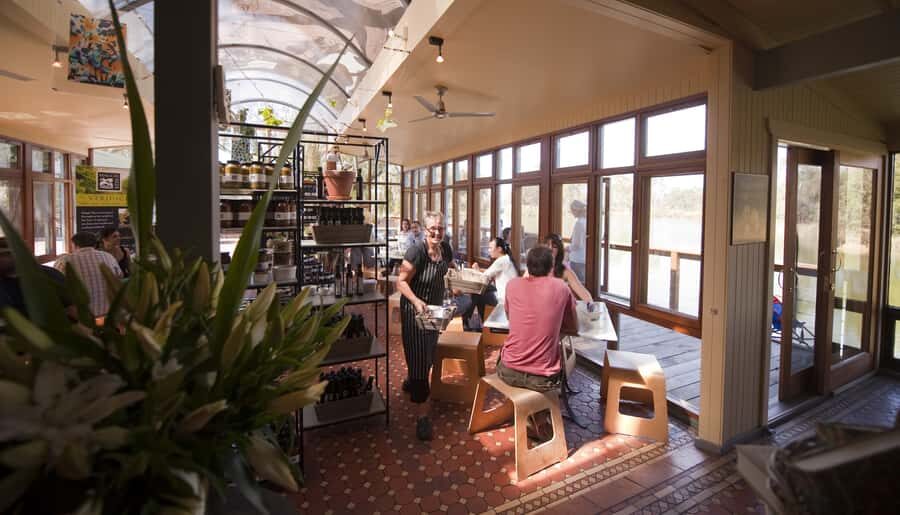
- Four 1-hour stop blocks set your pace, not the bus schedule
- 15+ winery options on the route mean you can match your mood that day
- Wine tastings are extra, but you can plan purchases at the cellar doors
- Return to Adelaide by 4 PM, which makes this easy to plug into a trip
- Follow staff instructions at cellar doors, since some venues have designated areas
Adelaide to Barossa: the part where you stop thinking and start sightseeing
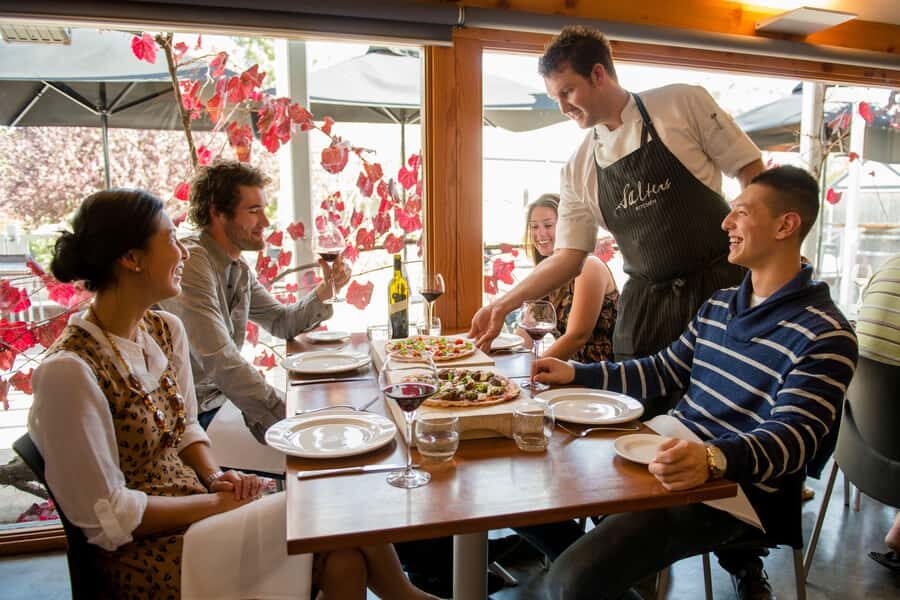
Your day starts with pickup from Adelaide CBD (exact meeting point can vary by option). Then it’s straight into the scenic drive toward Barossa Valley. This is the sweet spot for travelers who want the experience but don’t want the logistics of navigating rural roads all day.
Once you’re in the Barossa, the tour shifts from travel mode to choice mode. You hop on the bus, hop off where you want, then get back on when you’re ready. Because the timetable runs regularly, you’re not stuck waiting in the middle of nowhere for hours.
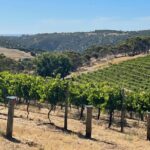
I like that the tour is built around a practical rhythm. It keeps you moving while still giving you control. And the ride itself is part of the experience: rolling hills, old villages, and that slow-moving sense that you’re actually in wine country, not just passing through.
Other Barossa Valley wine tours reviewed in Adelaide


The four 1-hour stops: how to plan a good day without rushing
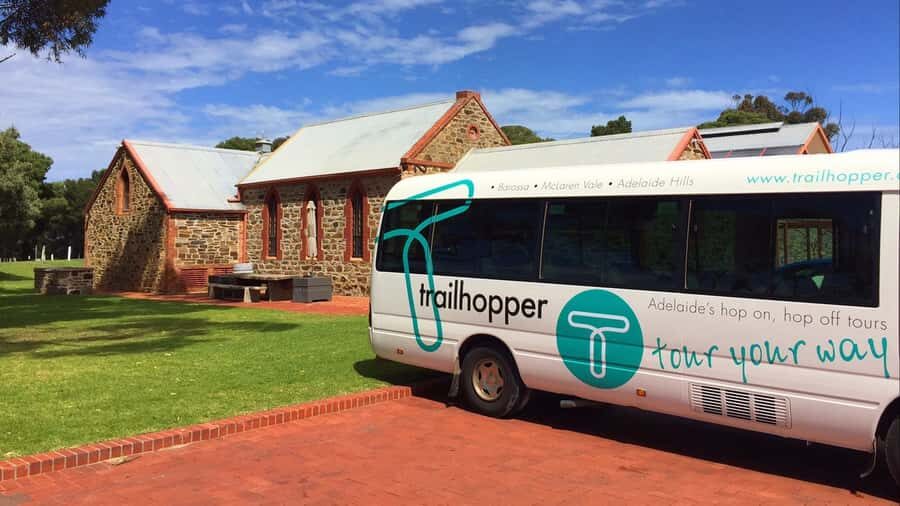
The tour gives you a maximum of 4 x 1-hour stops. That’s the core framework. Your best strategy is to treat each hour like a “visit window,” not a loose suggestion.
If you spend longer than planned at one stop, you’ll have fewer stops overall. This isn’t about rules for rules’ sake; it’s about the bus route ending at the last departure at 4 PM back to Adelaide. So the clock isn’t a theory. It’s real, and it’s part of what makes this tour work.
Here’s how I’d structure your thinking:
- Pick 1 stop that’s a must for you (for many people that’s a Barossa Shiraz style cellar or a Riesling-leaning option)
- Pick 1 stop that’s a contrast (big reds vs crisp whites, or a more casual cellar vs a more classic one, if your taste runs that way)
- Pick 1 stop for atmosphere (views, historic buildings, or just a place you’ve heard good things about)
- Use the final hour as “flex time” so you don’t feel trapped if the first two choices are more crowded than expected
Your guides are there to help with that deciding. Drivers like Nathan, Laurel, and Yvette are repeatedly praised for giving solid recommendations, which is especially helpful when you’re standing at a cellar door and trying to decide what fits your day.
Choosing wineries: 15+ options and how to shop smarter at cellar doors
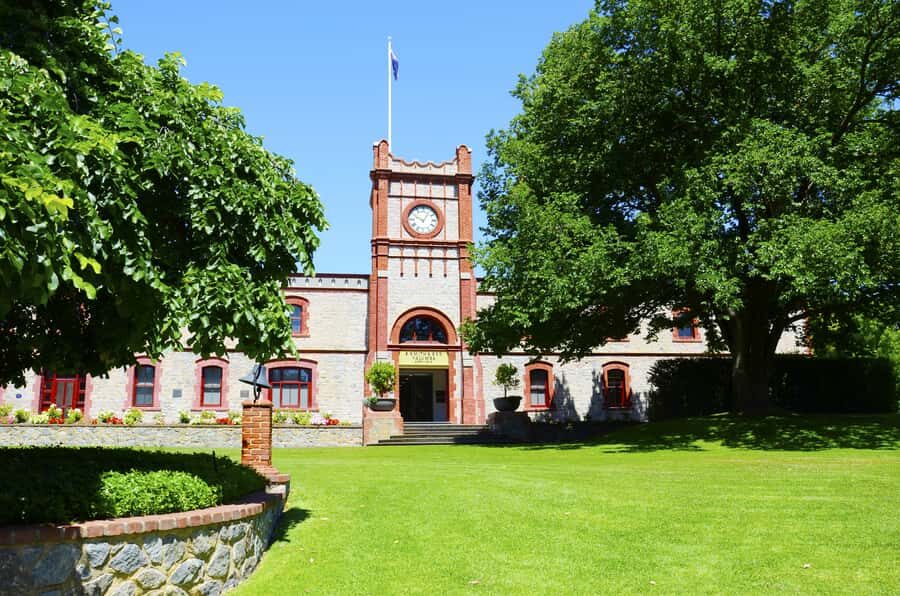
You’ll have access to 15+ wineries across the region, and you can build your route from the drop-off list. That matters because Barossa isn’t one winery; it’s a whole system of cellar doors spread across towns and roads.
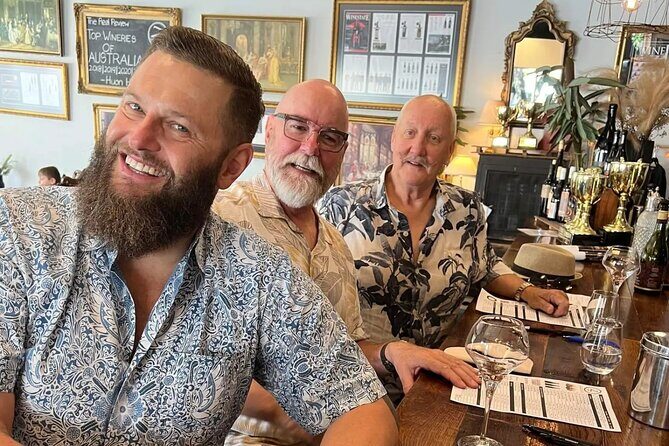
Also, the tour is a good fit even if you’re not a hardcore wine person. The flexibility lets you visit a mix of places, not just chase the most famous name on the map. And even if you mainly want views and an easy day out, you still get the cellar-door experience without doing heavy planning.
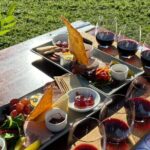
One key detail: wine tastings are not included. That means you should expect to pay for tastings at each winery if you want to sample properly. The tour does encourage you to try wines like Barossa Shiraz and Eden Valley Riesling, but you’ll be doing it via the cellar door options on site.
A practical tip: don’t plan your whole day around only one style of wine. You’ll enjoy the day more if you leave room for what tastes good in front of you. A lot of the fun is walking in, reading what’s being poured, and picking a tasting that matches the hour you’re in.
Scenic villages and food stops: how to eat well when food isn’t included
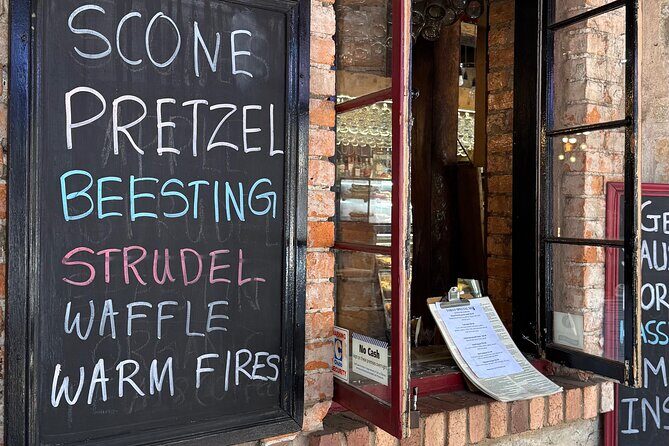
The tour includes local culinary experiences at selected venues, but food and drinks are not included. Translation: you might get the chance to visit places where you can buy local bites, but you’ll still be paying for what you eat.
The upside is freedom. If you want a light snack before your next tasting, you can. If you want a full meal, you can plan that too—just keep the hour blocks in mind.
Your guide can help with food stops, and this is one of the best ways to get value from a hop-on hop-off format. You’re not just riding between wineries; you’re using local advice to make smart choices on the ground.
If you’re building your day from scratch, I’d also keep your appetite schedule in mind:
- If you’re doing multiple tastings, go easier on heavy meals right before a tasting block
- If you want lunch, pick the stop you’ll likely enjoy most, then use that hour for eating plus a smaller tasting
And don’t ignore the small logistics. Some cellar doors have designated areas. Follow staff instructions so you don’t end up stuck figuring things out with a line forming behind you.
Getting around: transport that saves your energy, not your curiosity
This is hop-on hop-off in the real-world sense: you’re relying on bus timing and route planning, not private car convenience. That’s why the tour is such a good deal for a day like this. You get movement between areas without worrying about parking, roads, or the one thing that ruins wine-country days—driving after tasting.
Multiple reviews highlight on-time pickups and efficient movement. That matters because winery days often run on clocks that don’t care if you’re stuck in a traffic bottleneck. Here, the bus runs on schedule enough that you can plan ahead and still enjoy yourself.
One small comfort note: someone mentioned the bus can be a bit bumpy. It’s not an issue unique to this tour, but it’s still worth knowing. Wear comfortable shoes, keep your hat handy, and don’t pack breakables in your day bag.

Price and value: is $70 a smart use of your day?
At $70 per person for an 8-hour experience, the value comes from what the ticket is really buying: transport plus the framework that prevents your day from turning into a chaotic self-drive scramble.
If you rent a car and try to hit multiple cellar doors, you’ll spend time planning routes, dealing with parking, and (most importantly) paying attention to driving rules when you want to taste. This tour offloads that. You pay once, then spend the day making choices about where you want to go next.
It also helps that the tour includes a detailed information pack with timetable and tips. That’s part of why people feel in control. If you arrive ready with a rough plan and leave space for changes, you get a better day.
Remember what’s not included:
- Wine tastings (payable at each winery)
- Food and drinks (you buy meals and snacks)
So your spend will vary depending on how much you taste. But that’s also the point: you’re not paying for tastings you might not want.
Who this fits (and who should skip it)
This tour is ideal if you:
- want flexibility and control over which wineries you visit
- don’t want the stress of self-driving rural roads
- like the idea of pairing wine time with scenic village time
- prefer a structured maximum stop plan so the day ends at a reasonable hour
Based on the tour’s stated limits, it is not suitable for wheelchair users and not suitable for pregnant women. If either of those applies to you, plan a different format.
It also helps to be comfortable with basic rules. You can’t bring oversize luggage or large bags. You also can’t smoke in the vehicle, and alcohol isn’t allowed in the bus. Bring a day bag that fits easily and keeps you ready to move quickly when you hop off.
Practical tips for your Barossa day (so you enjoy it more)
Bring the basics that make a winery day painless: passport or ID card, comfortable shoes, sunglasses, a sun hat, and sunscreen. Barossa days can feel bright and warm, and you’ll be outdoors more than you expect.
Also, do a little planning before you ride. Even if you’re choosing on the fly, having a short list in your head makes it easier when you’re selecting where to spend your limited four hours. If you wait until the moment you step off the bus to decide everything, you can still do it—but you’ll waste energy.
Finally, build in one realistic “slow minute.” Cellar doors can have staff instructions, lines, and simple movement time between tasting rooms. That’s why four 1-hour stops works well: it gives you a structure, while still leaving room for the human pace of being in a real wine region.
Should you book this Barossa hop-on hop-off tour?
Book it if you want a low-stress Barossa day with choice built in. The combination of pickup from Adelaide CBD, a regular hop-on hop-off system, and a hard stop limit that keeps you back by 4 PM is a smart way to experience the region without turning your trip into a logistics project.
Skip it if you want long, wandering winery stays with lots of unstructured time. The tour is designed for smart hour blocks, not all-day lounging at one cellar. And if tastings and meals are your entire plan, you’ll need to budget extra since tastings and food aren’t included.
If you like the idea of picking a few great wineries, seeing historic villages, and sampling wines on your terms, this is a strong use of your time in South Australia.
FAQ
How long is the Barossa Valley hop-on hop-off tour?
The tour lasts 8 hours.
Where does the tour start in relation to Adelaide?
There is pickup from Adelaide CBD. The exact meeting point can vary depending on the option booked.
Is this tour hop-on hop-off or a fixed itinerary?
It’s hop-on hop-off. You can get on and off at wineries along the route based on the timetable.
How many wineries can I visit?
The route includes 15+ wineries. The timetable allows a maximum of 4 x 1-hour stops, so your actual number depends on how long you spend at each stop.
Are wine tastings included?
No. Wine tastings are not included and are payable at each winery.
Is food included?
No. Food and drinks are not included. The tour includes local culinary experiences at selected venues, but you’ll purchase food separately.
What time do I return to Adelaide?
The tour’s last departure from the final stop is at 4 PM, returning you to Adelaide afterward.
What should I bring?
Bring passport or ID, comfortable shoes, sunglasses, a sun hat, and sunscreen.
Can I bring large luggage or bags?
No. Oversize luggage and large bags aren’t allowed.
Is the tour suitable for wheelchair users?
No. It is not suitable for wheelchair users.