REVIEW · ADELAIDE
Adelaides Dark Secrets True Crime Tours
Book on Viator →Operated by Adelaide's Dark Secrets: True Crime Walking Tours with a Forensic Psychologist · Bookable on Viator
Dark Adelaide has a way of grabbing you fast. This small-group true-crime walk turns central landmarks into clues, with a guide (Niki) who brings cases to life using criminal justice and forensic psychology angles. You also get a simple tour setup with a mobile ticket and a few departure times, so you can fit it into your day.
What I like most is the personal feel. With a maximum of 14 people, Niki can adjust the pacing to the group and actually let you ask questions without the tour turning into a lecture with nowhere to put your curiosity.
Second, I love the way the stories connect people, places, and outcomes. You don’t just hear about crimes—you get the why behind some of the behavior, and you see how the city’s quieter spots still hold heavy chapters.
One possible drawback: this is not a gentle stroll. The content is intense, and it’s not recommended for children, so plan on a more serious tone than a typical sightseeing walk.
In This Review
- Key takeaways before you go
- True crime in a city known for being calm
- Your guide, Niki, and the small-group advantage
- Price, duration, and whether it’s good value
- Stop 1: The National Crime Authority bombing site in 1994
- Stop 2: Adelaide Central Markets and the everyday world around crime
- Stop 3: The General Post Office and the guide’s crime-against-music angle
- Stop 4: University of Adelaide by the Torrens River and the idea of “worst crimes”
- Stop 5: King William Street and how the tour ties the city together
- How to dress, pace, and plan your day for this 2 to 2.5 hour walk
- The real value: more than landmarks, less than a crime-worksheet
- Who should book this tour (and who should skip it)
- Quick practical notes that matter on the day
- Should you book Adelaide’s Dark Secrets true crime walk?
- FAQ
- How long is Adelaide’s Dark Secrets True Crime Tours?
- How much does the Adelaide true crime walking tour cost?
- What’s the group size limit?
- Where does the tour start?
- Is the tour suitable for children?
- Do I get a mobile ticket?
- What if the weather is poor?
Key takeaways before you go
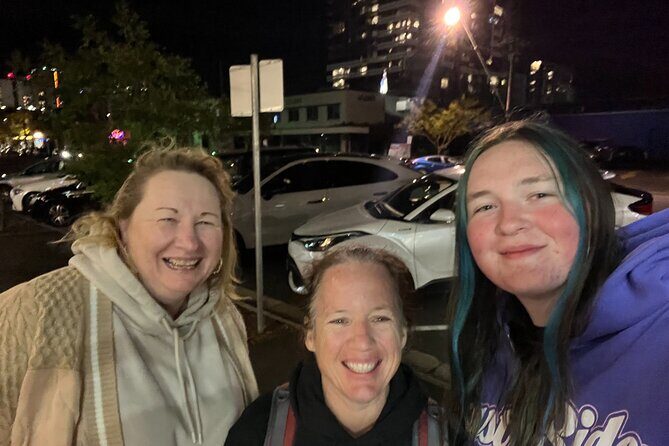
- Forensic psychology led walk: the tour is run by Adelaide’s Dark Secrets with a forensic psychologist, which changes the tone from gore-only storytelling
- Max 14 people: you’ll get closer to the guide and have more room for questions than on big group tours
- Route hits core landmarks: Central Markets, the General Post Office, the University of Adelaide, and King William Street
- Real cases, not vague myths: you’ll hear about a 1994 bombing at the National Crime Authority building site plus other serious crimes tied to Adelaide
- About 2 to 2.5 hours: enough time to cover the city core, but short enough to keep your day flexible
- Good weather matters: the operator notes this experience requires decent conditions, so keep an eye on the forecast
True crime in a city known for being calm
Adelaide has a reputation for being sedate. That’s exactly why a true-crime walk here feels so different. You’re not in a neon-lit crime museum. You’re in streets that look normal—until you learn what happened to the people tied to them.
This tour makes that contrast do real work. You start with a serious event in the city center, then you move through places many visitors treat as purely scenic or practical. The result is a shift in your mental map: you start seeing the city as a place where public space and private harm overlap.
You’ll also notice the guide’s approach tends to explain motivations and thinking, not just the facts. That’s where the forensic psychology angle comes in. It can help you follow the cases without getting lost in details that don’t add up.
Other Adelaide ghost and true crime tours reviewed in Adelaide


Your guide, Niki, and the small-group advantage

The biggest quality boost here is small group size (up to 14). When a tour is bigger than that, the guide often has to talk at people. With this format, Niki can keep the flow more human and respond to what the group wants to know.
In real terms, that means:
- you’re more likely to get an answer when you ask something
- the walk doesn’t feel like you’re stuck in a line behind everyone else
- pacing can adjust if the group is moving slowly or needs brief stops
The reviews also point to Niki being highly engaging and able to answer crime questions. One comment specifically noted that the guide kept the conversation away from politics, which is actually helpful if you want the focus on investigations and justice systems rather than debates.
Price, duration, and whether it’s good value

At $35.86 per person, this is priced like an accessible city tour—not a niche, high-end, long-form experience. The value comes from what you get for the time.
You’re looking at roughly 2 hours to 2.5 hours of guided walking plus guided storytelling at multiple central sites. Each stop is timed, and the route covers enough ground that you’ll feel like you saw parts of Adelaide you’d normally skip or rush through.
Is it worth paying for instead of doing case research solo? For most people, yes. The tour does two things a self-guided approach struggles to do well: it connects locations to meaning, and it turns case facts into a coherent narrative you can follow in real time while walking.
One more practical point: because it’s a walking tour with a set structure, you don’t have to plan the order of stops. You’re paying for clarity.
Stop 1: The National Crime Authority bombing site in 1994
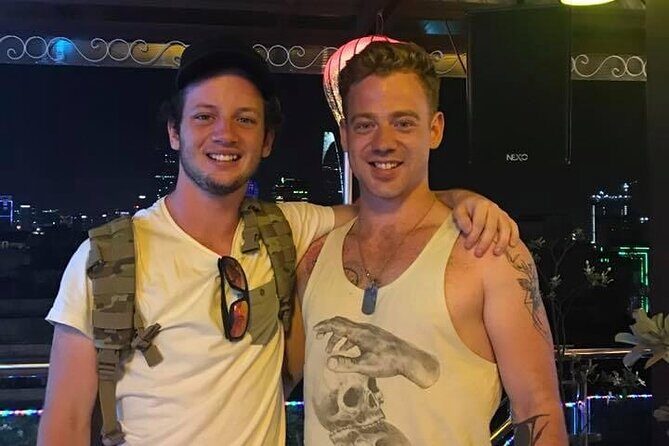
The walk opens at the National Crime Authority building bombing location in March 1994. This is the anchor case for the tour’s tone—domestic terrorism, a powerful explosion, and fatalities involving Detective Serg (name shown only partially in the tour info you’ll receive).
What makes this opening smart is that it frames the rest of the tour. After a strong start like that, the later landmarks stop feeling random. Even when you’re just standing on a sidewalk, you’re aware you’re in a place tied to serious harm.
Timing is about 25 minutes here, so you get enough context to understand why it matters before moving on. The drawback is also clear: if you’re hoping for a lighthearted introduction, this is not that.
Stop 2: Adelaide Central Markets and the everyday world around crime
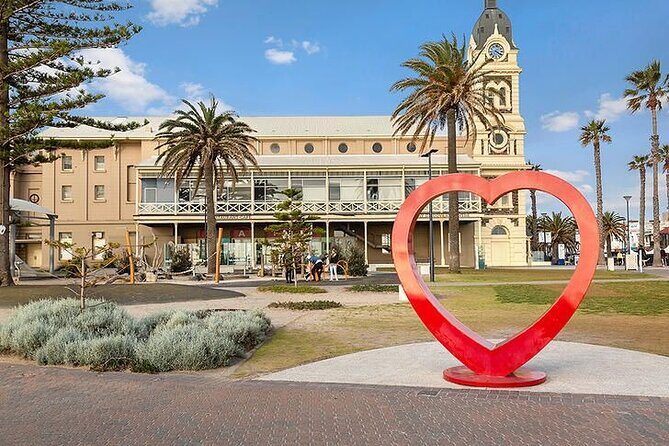
Next comes Adelaide Central Markets, which matters because it represents normal life right in the city center. The tour leans on the market’s long timeline—founded in 1869—to help you see how public spaces can outlast the worst moments that occurred nearby.
The stop runs about 25 minutes. That’s useful because it gives you time to absorb the idea: people keep buying fruit, coffee, and lunch even when terrible things exist in the same urban story.
If you like tours that help you read a city, this is a strong pairing. You’re not just watching history. You’re learning how to notice the difference between what a place looks like now and what it has meant over time.





Stop 3: The General Post Office and the guide’s crime-against-music angle
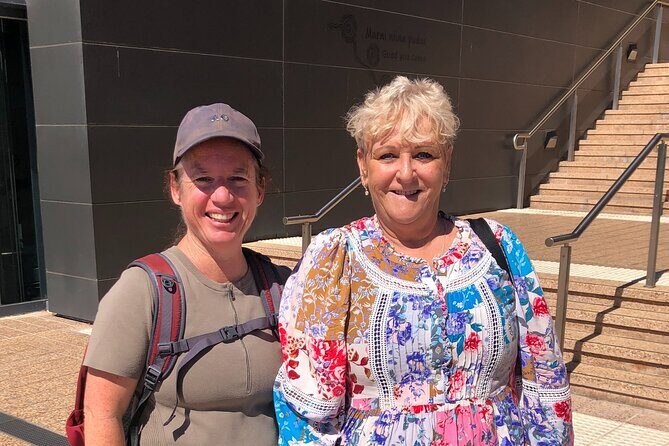
At the General Post Office, the tour focuses on architecture and what the guide calls a crime against music. That phrasing alone tells you the storytelling style here isn’t dry.
This stop is shorter—about 10 minutes—so it feels like a punchy interlude. You get a quick visual anchor, then you’re on to the next heavier stop.
Why this works: a good true-crime walk needs variety. After intense cases, you want at least one stop that feels more like interpreting the city than reliving catastrophe. This one gives you that breathing space without leaving the subject behind.
Stop 4: University of Adelaide by the Torrens River and the idea of “worst crimes”
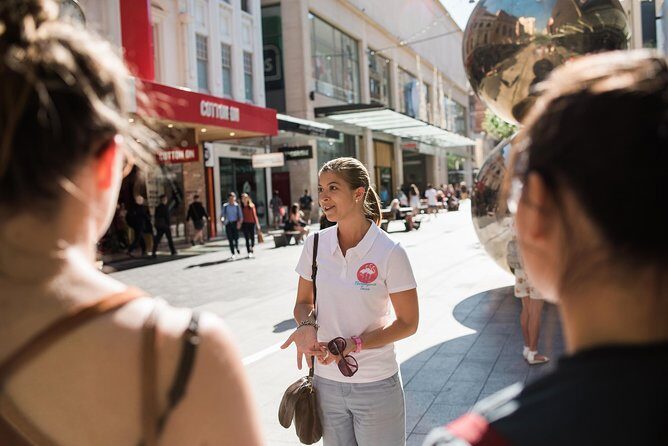
Then you shift to the University of Adelaide, tied to some of Adelaide’s worst crimes and the setting along the Torrens River.
This is the longest stop besides the final stretch—about 35 minutes—which suggests the tour gives it more narrative weight. River edges and institutional buildings often become symbolic in crime stories, and here the tour uses that idea to help you connect environment, opportunity, and investigation.
A practical tip for you: if you’re planning photos, do them during your “standing still” moments. The longer stop is usually where you’ll want a clear view without feeling like you’re holding up the group.
Also, expect the talk to stay serious. This is the kind of stop where the city’s calm surface starts to feel like part of the story’s tension.
Stop 5: King William Street and how the tour ties the city together
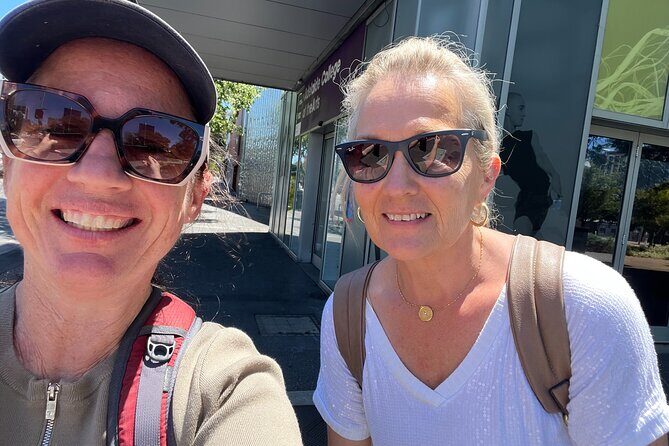
You finish on King William Street, and the tour promises plenty of tales along the way—about points of interest tied to crime in the area, both past and present.
This final stop is about 30 minutes. It’s long enough for wrap-up connections, but not so long that you’ll feel stalled. By the time you’re here, you’ve already built the mental map, so the guide can point out how the pieces connect.
For me, the best ending type is one that makes you look around afterward. King William Street is busy, central, and easy to revisit on your own. If the tour does its job, you’ll walk away noticing details you would’ve missed before—building lines, street layouts, and the sense of history tucked into ordinary blocks.
How to dress, pace, and plan your day for this 2 to 2.5 hour walk
This is a true-crime walking tour, so your comfort affects your experience. The tour itself notes good weather is required, which is a hint that you should wear for walking outdoors.
A simple planning approach:
- wear comfortable shoes you’d trust for a city walk
- bring sun protection if it’s warm
- consider bringing a light layer if it’s cool or breezy
Some reviews mention the guide provided water on hot days. Don’t count on a bottle every time, but you can treat this as evidence that the guide thinks about pacing and basic comfort.
Also, the info says the guide will do well with most travelers, but not children. If you’re bringing teens, check whether they can handle the mature material.
The real value: more than landmarks, less than a crime-worksheet
Plenty of tours name-drop sites. This one uses the sites as story anchors.
You’ll likely appreciate three strengths:
- Psychology + history storytelling: it helps the cases feel understandable, not just shocking
- Clear, timed stops: you’re not stuck for hours in one place
- Chance to ask questions: small group size keeps the experience interactive
The tour’s tone also avoids feeling like a sad march. Reviews repeatedly mention that it can be fascinating and even fun in delivery—even when the subject matter is dark. That doesn’t mean it’s light content. It means the guide knows how to keep your attention without turning it into slapstick.
And if you love true crime, you’ll probably like the way the tour discusses criminal thinking and the justice system without turning into pure speculation.
Who should book this tour (and who should skip it)
This is a good fit if you:
- want a true-crime walking tour in Adelaide that uses more than headlines
- like learning how investigators and justice systems work, not just crime outcomes
- enjoy city walks where the streets become a story tool
It may not be a good fit if you:
- hate walking for about 2 to 2.5 hours
- are traveling with kids, since the operator notes it’s not recommended for children
- want an upbeat, casual city introduction rather than serious material
Quick practical notes that matter on the day
You start at 5/79 Pennington Terrace, North Adelaide SA 5006, and the tour ends back at the meeting point. You’ll get a confirmation at booking, and you’ll use a mobile ticket.
The tour is also noted as being near public transportation, which makes it easier if you don’t want to plan parking. Service animals are allowed, too.
Should you book Adelaide’s Dark Secrets true crime walk?
If you’re the type of traveler who reads the fine print of a city—who notices why certain buildings or corners feel charged—this is an easy yes.
The price feels reasonable for a guide-led, multi-stop walk that lasts about 2 to 2.5 hours and limits group size to 14. The forensic psychology angle (with Niki leading) is the differentiator: you’re not only getting facts. You’re getting a way to make sense of behavior and justice processes.
Book it when you can dress for a solid walk and you’re ready for mature content. Skip it if you’re bringing children or you want a gentle, entertainment-only sightseeing day.
FAQ
How long is Adelaide’s Dark Secrets True Crime Tours?
The tour runs about 2 hours to 2 hours 30 minutes.
How much does the Adelaide true crime walking tour cost?
It costs $35.86 per person.
What’s the group size limit?
The tour has a maximum of 14 travelers.
Where does the tour start?
The meeting point is 5/79 Pennington Terrace, North Adelaide SA 5006, Australia.
Is the tour suitable for children?
It is not recommended for children due to the content.
Do I get a mobile ticket?
Yes, the tour includes a mobile ticket.
What if the weather is poor?
This experience requires good weather. If it’s canceled due to poor weather, you’ll be offered a different date or a full refund.