REVIEW · ADELAIDE
Adelaide Walking Tour: Hills, Squares and Parklands
Book on Viator →Operated by Down to Earth Tours · Bookable on Viator
Adelaide reveals itself fast on foot. This North Adelaide walking tour turns architecture into a story, moving from the early colonial era toward the neighborhood’s later growth through houses, schools, churches, and colleges. I like that it hits two-dozen historical stops in about two hours, and I really like how the guide connects each place to the people who lived or worked there—especially Graeme, who brings the facts to life without turning it into a lecture.
One thing to consider: this is real walking on uneven streets and around notable sites like Montefiore Hill, so comfy shoes matter. Also, there’s no food or drink built in, so plan to eat before or after if you’ll get hungry.
In This Review
- Key Highlights You’ll Feel on This Walk
- North Adelaide on Foot: How Hills and Squares Tell the Story
- Price, Time, and Group Size: Is $36.93 Good Value?
- Wellington Hotel: Your Starting Point and Quick Adelaide Orientation
- Wellington Square to the Early Houses: Details That Make Streets Click
- Jeffcott Street and Whinham College: Architecture as a Timeline
- Kingsmead, Duncraig, and a Victorian Villa With a Dark Note
- Roche House and Aquinas College: From Homes to Institutions
- Montefiore Hill and Light’s Vision: Colonel William Light and a Grim First Public Hanging
- Carclew and Local Exploration Connections
- Christ Church School, Milford House Private Hotel, and the Primitive Methodist Church
- Practical Tips So You Enjoy Every Stop
- Who This Walk Is Best For (And Who Might Prefer Another Option)
- Should You Book Adelaide Walking Tour: Hills, Squares and Parklands?
- FAQ
- How long is the Adelaide Walking Tour: Hills, Squares and Parklands?
- What does the tour cost?
- Where do I meet, and what time does it start?
- Is food included?
- How big is the group?
- Does the tour run in bad weather?
- What’s included in the price?
Key Highlights You’ll Feel on This Walk
- Graeme’s story-and-facts style makes architecture easier to remember
- About two dozen stops means you get a full neighborhood picture, fast
- Colonial-to-later growth timeline is built right into the route
- Hills, squares, and parklands keep the scenery varied even when you’re on sidewalks
- Small group size helps you stay close to the guide and ask questions
North Adelaide on Foot: How Hills and Squares Tell the Story
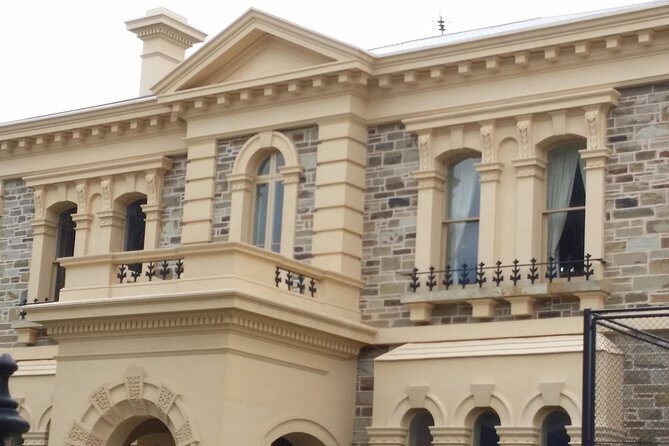
This walk is built around how North Adelaide developed—piece by piece—using buildings as your clues. Instead of only talking about one era, you’re guided through the neighborhood’s shifts over time, from early settlement patterns to later institutions and civic growth.
You’ll get a steady rhythm: look at a building, learn what stands out, then hear who used it and why it mattered. That approach is great if you like turning a street into a timeline you can follow.
You should expect mostly outside viewing. It’s a walking tour in the practical sense: you’ll be on streets for the full pace, with brief stops to learn and move on.
Other Adelaide walking tours reviewed in Adelaide


Price, Time, and Group Size: Is $36.93 Good Value?
At $36.93 per person for about two hours, the value comes from the density of stops. You’re not paying for one landmark; you’re paying for a local guide who helps you connect roughly two dozen sites into one coherent story of the area.
Small groups (max 15 per booking, with a stated maximum of 20 per tour) help a lot here. When the guide can see the group staying together, the tour stays conversational and you’re less likely to feel lost.
The tour includes a local guide, but it does not include food and drinks, hotel pickup, or transportation. So budget for your own water and snacks if you want them—and think of this as a history dose before lunch or after lunch, not something to time around a full day of eating.
Wellington Hotel: Your Starting Point and Quick Adelaide Orientation
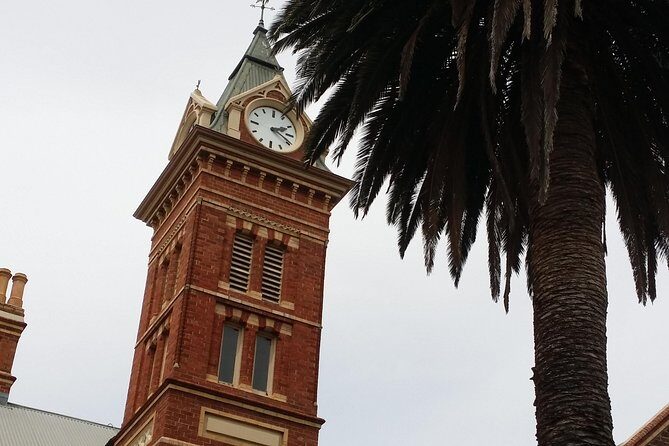
You begin at the Wellington Hotel on Wellington Square in North Adelaide. The guide uses this stop to set the scene: what Adelaide and North Adelaide looked like, how the neighborhood developed, and how the walk will run.
It’s a smart opening because it gives you a map in your head before you start moving. You’ll hear the tour route timing and get a framework for what you’re about to see—especially helpful if North Adelaide is new to you.
If you’re hoping for a tour that starts with a major headline landmark, this one starts with context. That’s not a flaw. It’s a good foundation.
Wellington Square to the Early Houses: Details That Make Streets Click
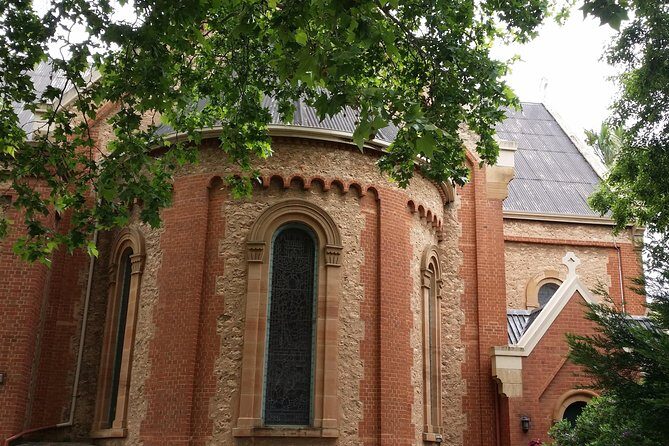
From the hotel area you head toward Wellington Square, where you get a quick history and a look at the architecture. This is where the tour starts training your eyes. You’ll learn how small design choices and building layouts reflect different periods of growth.
Then you move along streets with notable residences, including two-storeyed homes and cast-iron details. Those kinds of features can be easy to ignore when you’re just walking, but the guide’s job is to point out what’s distinctive—then connect it to occupants and development patterns.
A practical note: some of these stops are short. The tour is keeping its pace, so if you spot something you want to study longer, watch for a moment where the guide pauses and ask a question.
Jeffcott Street and Whinham College: Architecture as a Timeline
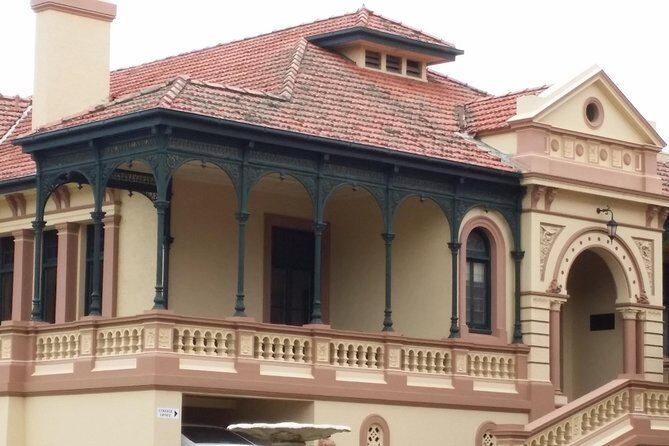
On Jeffcott Street, the guide talks through previous ownership and what that suggests about the people and the era. Then the tour shifts to the Lutheran Seminary, which is tied to the former Whinham College—so you’re not just learning about a building, you’re learning about a site that changed roles over time.
That makes this stop especially valuable. You start to see buildings as long-running characters: they get repurposed, renovated, and redefined, while the neighborhood keeps evolving around them.
Near here you’ll also hear about houses such as Gable House, with stories about prior occupants. Even when the tour doesn’t have time to go deep on every person, it gives you enough anchor details to remember the place later.
Other walking tours we've reviewed in Adelaide


Kingsmead, Duncraig, and a Victorian Villa With a Dark Note
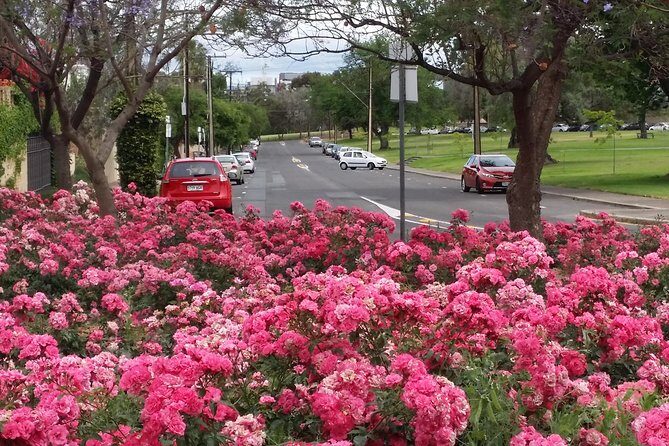
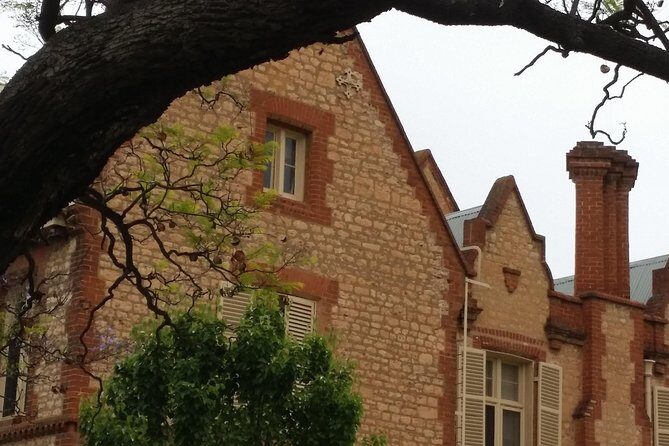
The middle stretch includes several named properties—Kingsmead, Duncraig, and a Victorian bay-windowed villa, among others. The guide covers design, history, and occupants at each stop, so you’re getting both the “what” (how it looks) and the “who” (who used it).
One stop includes a suicide story connected with the Victorian bay-windowed villa. Tours sometimes gloss over the harder parts of local life, but this one treats it as part of the building’s story. If that kind of detail bothers you, you’ll want to mentally prepare for the fact that history includes tough chapters.
Also, don’t expect the tour to be only pretty façades. It’s practical viewing with human context—some of it comfortable, some of it not.
Roche House and Aquinas College: From Homes to Institutions

As you keep walking, the tour moves from residences toward larger institutional sites. You’ll pass places like Undoolya and a house from the 1950s, with attention to families and occupants connected to each era.
Then the route brings in Aquinas College, where you learn about the site’s history and previous and current connections. That transition matters because it shows how neighborhoods evolve when education and community institutions take on bigger roles.
Roche House is another standout in this stretch, with stories of occupants and architecture discussed at a pace that fits the tour format. It’s the kind of stop where the guide helps you notice what’s characteristic about the building—not just what the guide says about it.
Montefiore Hill and Light’s Vision: Colonel William Light and a Grim First Public Hanging
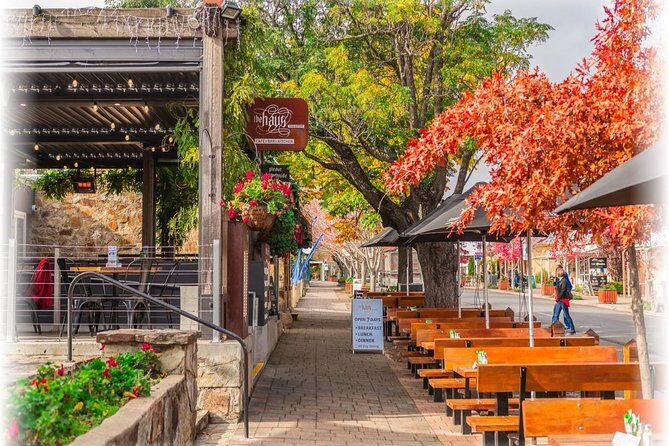
This is one of the most dramatic stops on the route: Light’s Vision on Montefiore Hill. The guide covers the history of the site and ties it to Colonel William Light, including mention of the first public hanging.
If you want gentle, postcard-style history only, this may feel heavy. But if you want the neighborhood’s story to be accurate, it’s here for a reason. This stop reminds you that city planning and public life have always had their harsh sides.
It also changes the pace of the tour because it’s set on a hill and has real weight. Take a breath here and let the context settle before moving on.
Carclew and Local Exploration Connections
After Montefiore Hill, the walk keeps its momentum with more housing and notable sites. Carclew is one of the interesting stops, with history of the house and occupants, including a connection to a famous explorer.
Even without a huge amount of time at each point, the guide makes those connections feel logical. You start to understand why certain buildings mattered: they weren’t just shelters; they were tied to networks of people, ideas, and public activity.
If you like learning how names connect across the city, this is one of the more satisfying parts of the tour.
Christ Church School, Milford House Private Hotel, and the Primitive Methodist Church
The tour includes former school buildings and a private hotel site, which helps you understand everyday life beyond private homes. You’ll see the former Christ Church School and hear about its history and architecture.
Then there’s previously Milford House Private Hotel, with a story about how it developed and the associated occupants. That’s a useful angle because it shows the neighborhood’s social and lodging role—not just its residential character.
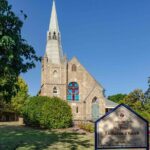
The walk finishes by returning to the church lane themes, including the former Primitive Methodist Church. The guide covers its history and previous and current usage, so you see how community buildings change as needs shift.
By the time you wrap up, you’ll likely realize the neighborhood isn’t only a collection of old buildings. It’s a place where functions changed over time—school to other uses, hotel to new chapters, church spaces evolving with the community.
Practical Tips So You Enjoy Every Stop
- Wear shoes you’re comfortable in for steady walking. The tour is about two hours, and streets are part of the experience.
- Dress for all weather. The tour operates in all weather conditions, so bring a rain layer if there’s any chance of drizzle.
- Bring curiosity, not perfection. Some stops are brief, so you’ll get the best experience by listening closely rather than trying to memorize every detail.
- If you’re interested in the human side of architecture, ask questions. Graeme’s style works well with interaction, especially when you want to connect a building to a person.
Who This Walk Is Best For (And Who Might Prefer Another Option)
This is ideal if you enjoy local history and architecture and want a structured way to see a neighborhood without planning every stop yourself. If you like stories that connect buildings to occupants—and you’re comfortable with a short sequence of named sites—you’ll probably love the pacing.
It may be less ideal if you want a lot of time inside buildings or you’re expecting food breaks. This is an outdoor walking tour focused on exterior viewing and guide-led context.
Families are welcome as long as children are accompanied by an adult, but remember the walking time and moderate fitness level requirement.
Should You Book Adelaide Walking Tour: Hills, Squares and Parklands?
If you want a fast, organized way to understand North Adelaide—how it grew, how homes and institutions fit together, and how people left their mark on the built environment—this tour is a strong pick for the money. The guide style (Graeme’s mix of story and facts) is a real advantage because it helps the sites stick in your memory.
I’d skip it only if you dislike walking for about two hours outdoors, want food included, or prefer history without the heavier moments. For the right traveler, it’s an efficient way to turn Adelaide’s streets into something you can actually read.
FAQ
How long is the Adelaide Walking Tour: Hills, Squares and Parklands?
It runs for about 2 hours.
What does the tour cost?
The price is $36.93 per person.
Where do I meet, and what time does it start?
You meet at Wellington Hotel, 36 Wellington Square, North Adelaide SA 5006, and it starts at 10:00 am.
Is food included?
No. Food and drinks are not included.
How big is the group?
The tour has a maximum of 15 people per booking, and it’s stated to have a maximum of 20 travelers.
Does the tour run in bad weather?
Yes, it operates in all weather conditions, so you should dress appropriately.
What’s included in the price?
The tour includes a local guide. A mobile ticket is used, and hotel pickup/drop-off and transportation are not included.
###