REVIEW · ADELAIDE
Adelaide Walking Tour: Grand Mansions and Sub-Divisions
Book on Viator →Operated by Down to Earth Tours · Bookable on Viator
North Adelaide hides its stories in plain sight, and this easy small-group stroll turns big house fronts, quiet churches, and old cottages into a readable map of how Adelaide grew. I love the free, stop-by-stop context on places like Lincoln College and stately Federation-era homes, and I love that the route pairs grand mansions with workers’ cottages so you see more than the rich front door. One drawback: you’ll be on your feet for about two hours, and there’s no hotel pickup or drop-off.
This tour also has a strong local-guide feel. In the feedback you’ll spot names like Graeme, Ram, and Bryan, with people praising how clearly the guide connects the buildings to the people who lived around them. The pace stays gentle, and the walk is set up so different ages can handle it, as long as you have a moderate fitness level.
If you’re planning a day in Adelaide, this is a smart add-on. It’s not about museum interiors or rushing photo stops—it’s about reading a neighborhood. The meeting point is easy to find, and the tour ends back in North Adelaide at Brougham Gardens (Park 29), so you can keep exploring after.
In This Review
- Key points to know before you go
- Two Hours of North Adelaide: Mansions and Cottages Side by Side
- Who this tour is best for
- Price and Value: What $36.93 Buys You
- Starting at Da Vinci Ristorante, Ending at Brougham Gardens
- Bring sensible walking shoes
- Stop-by-Stop: What You’ll See and Why It Matters
- The opening orientation near Brougham Place
- Lincoln College: education as part of neighborhood identity
- St Margarets, Taylor House, and a Federation-era lens
- Georgian, Victorian, and the Chichester Gardens Estate
- Row houses and the Kentish Arms Hotel with a cricket thread
- German influence cottages and early limestone housing
- Lion Hotel and Former Malthouse, then St Mary’s Catholic Church
- The 1870s and Victorian villas: ownership through time
- The Former Congregational Church and Lecture Hall
- Architecture Clues You Can Actually Spot on the Street
- Small-Group Guides: What You Can Expect from the Storytelling
- Weather, Timing, and How to Pair This with Other Sightseeing
- Should You Book This Adelaide Walking Tour?
- FAQ
- Where is the meeting point?
- What time does the tour start?
- Where does the tour end?
- How long is the walk?
- What’s included in the price?
- Is food or drink included?
- Do I need hotel pickup or drop-off?
- How big are the groups?
- Does the tour run in bad weather?
- Is it okay for kids?
- Is there a cancellation window?
Key points to know before you go
- Small-group format keeps the walking tour feeling personal, with a cap of up to 20 and up to 15 per booking.
- Two hours is just enough time to connect architecture styles to real local stories without feeling rushed.
- Free listed sights along the route mean you mostly pay for the guide, not admissions.
- Lower North Adelaide focus helps you understand why this area grew into Adelaide’s affluent residential strip.
- Real contrasts on one route: mansions, row houses, and workers’ cottages sit side-by-side in the narrative.
- No hotel pickup and it runs in all weather, so plan to dress for walking.
Two Hours of North Adelaide: Mansions and Cottages Side by Side
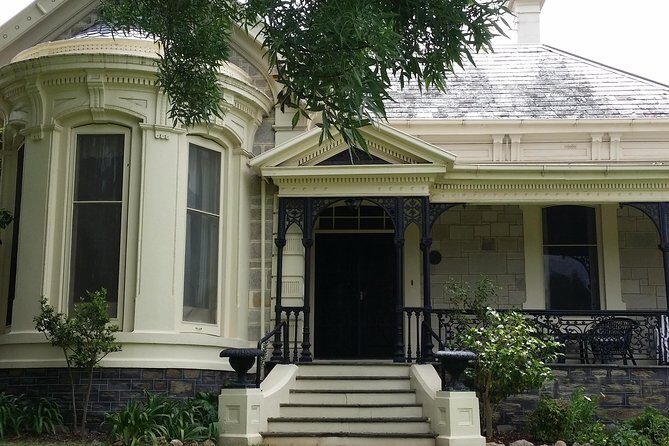
This walking tour is built around a simple idea: in North Adelaide, the big houses and the smaller homes aren’t separate stories. They’re part of the same neighborhood system. You’ll walk past grand facades, but you’ll also spend real time on row houses, cottages, and other buildings that show everyday life and the people who supported the households.
That’s what makes the tour feel more satisfying than a basic “pretty buildings” stroll. You don’t just learn names and dates—you learn how the architecture connects to the kinds of jobs, communities, and cultural influences that shaped the area.
And because it’s a small group and a leisurely pace, it works well for both first-timers and locals. I like that you’re not stuck in a nonstop lecture. You get short explanations at each stop, then you’re back out walking to link the next site to the last one.
Other Adelaide walking tours reviewed in Adelaide


Who this tour is best for
This tour fits well if you:
- want a stronger sense of Adelaide beyond the CBD
- care about architecture styles you can actually spot on the street
- like neighborhood stories that include both wealth and housing for working residents
- want an activity that pairs easily with other sightseeing that day
Price and Value: What $36.93 Buys You
At $36.93 per person for about two hours, you’re mainly paying for the guide’s time and the structure of the route. The stops are presented as free admission sites, so your money isn’t getting swallowed by entrance fees you didn’t plan for.
A couple of practical value points matter here:
- You’re not paying extra for transportation on the day. There’s no hotel pickup or drop-off, so you’ll simply get yourself to the start point.
- You get a guided experience that’s built around multiple named sites—public institutions, monuments, and residential buildings—rather than just one or two “signature” locations.
Also, this is the kind of tour that usually sells at a steady clip. The average booking window is about 60 days in advance, so if your dates are fixed, booking earlier can help you get the time you want.
Starting at Da Vinci Ristorante, Ending at Brougham Gardens
The tour begins at Da Vinci Ristorante, 10 O’Connell St, North Adelaide SA 5006, with a start time of 10:00 am. It ends at Brougham Gardens (Park 29), opposite Brougham Place Uniting Church.
That start-to-finish plan is useful. You’re not touring in a huge loop that leaves you stranded. Instead, you’re dropped back into an easy-to-walk area where you can continue your day—grab coffee, visit a nearby street, or just keep wandering North Adelaide.
Bring sensible walking shoes
The tour operates in all weather conditions, so you’ll want footwear that can handle damp pavement and a bit of uneven ground. The physical requirement is listed as moderate fitness, which usually means the walk itself is the main demand, not stairs or heavy climbing.
And yes, the guide covers a lot of ground through short stops. The route is paced for conversation, not for sprinting from one mansion to the next.
Other walking tours we've reviewed in Adelaide



Stop-by-Stop: What You’ll See and Why It Matters
This is a street-level tour with short, focused explanations. Expect the guide to pause you at each site long enough to notice details you’d otherwise miss, then move you on when you’ve got the “what to look for” in mind.
The opening orientation near Brougham Place
You start at the north-east corner of Brougham Place & O’Connell Street, where the guide gives you the overview: a brief history of Adelaide and North Adelaide’s development, plus the route and what to expect. This kind of setup matters. Without it, you’d just be admiring houses. With it, you start understanding why the streets look the way they do.
Lincoln College: education as part of neighborhood identity
Next up is Lincoln College, where you learn about the building’s history and its occupants. The tour also connects it to the University of Adelaide, which helps you see how institutional buildings and residential areas grew up together rather than in isolation.
St Margarets, Taylor House, and a Federation-era lens
The tour then shifts into a cluster of houses:
- St Margarets: you’ll hear about former use, history, architecture, and occupants.
- Taylor House: history plus noted occupants and architectural details.
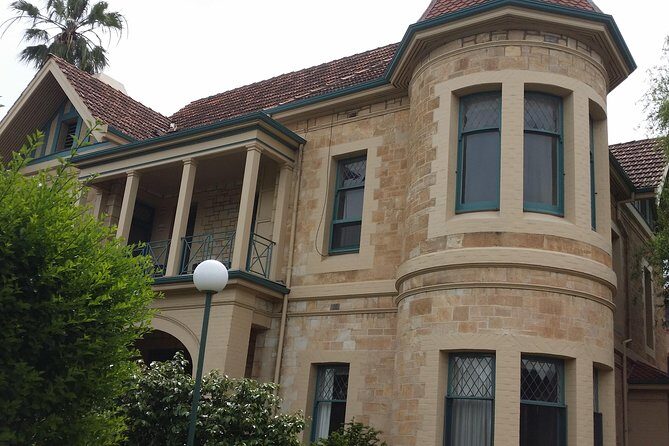
- Federation Style House: the guide focuses on owners’ stories and the architecture type.
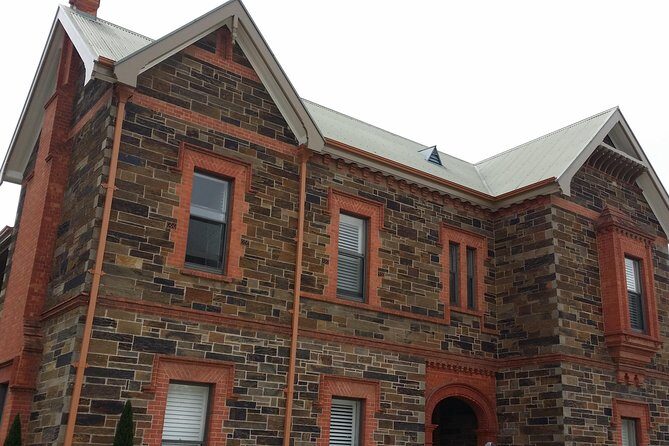
This stop sequence works because you get multiple “reads” of domestic architecture in a short time. Even if you’re not an architecture nerd, you’ll start noticing patterns: what looks older versus what looks later, what changes in style say about the era, and how ownership stories shape the way homes are presented.
Georgian, Victorian, and the Chichester Gardens Estate
You’ll move through:
- a Georgian-style house, with reference to early colonial family connections
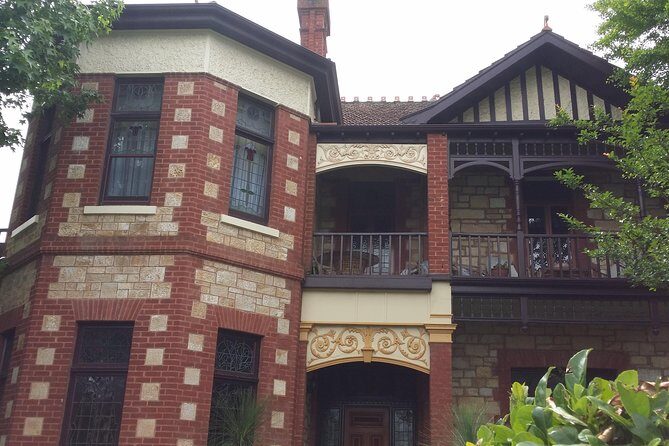
- a Victorian villa, including mentions of iron foundry work tied to the building’s details and past owners
- the Chichester Gardens Estate, which brings the story back into the “neighborhood plan” side of North Adelaide
If you like learning how styles evolved, this is where the tour becomes especially satisfying. Georgian gives you a sense of early formality. Victorian often brings more decorative or industrial craft associations (like the iron foundry note). Then estates and planned development help you understand how Adelaide expanded as an organized city, not just as a random spread of homes.
Row houses and the Kentish Arms Hotel with a cricket thread
At the next stretch you’ll cover:
- Row houses (including how they were used and lived in as cottages)
- Kentish Arms Hotel, with its history and a connection to cricket, plus previous owners and current use
- more residential buildings that continue the cottage-and-ownership theme
I like this stop because it reminds you that public life wasn’t separate from home life. A hotel tied to sport says a lot about what social culture looked like in the area. It’s not just architecture; it’s what people did when they weren’t inside these walls.
German influence cottages and early limestone housing
You’ll then get an immigration-and-craft angle:
- a cottage with German influence, including German inhabitants
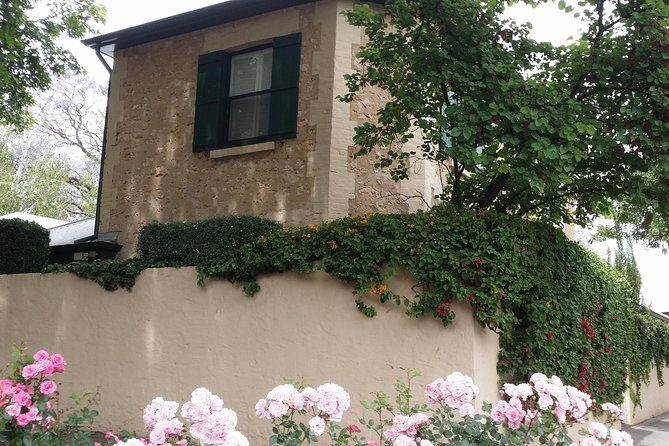
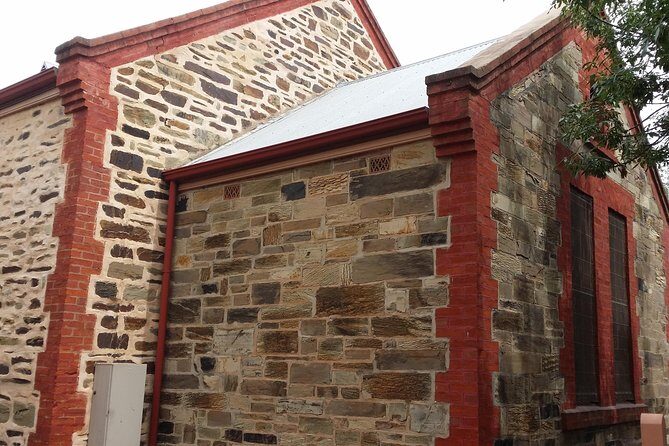
- a two-storey limestone house, described as one of the earliest in North Adelaide
- a shop with a reference to a crest above the doorway (and how the shop was used)
This is the kind of detail that makes a walking tour feel real. When the guide points out cultural influence like German residency, you stop seeing the houses as anonymous. You start seeing them as physical evidence of who moved where—and why.
Lion Hotel and Former Malthouse, then St Mary’s Catholic Church
The next set includes:
- Lion Hotel and Former Malthouse, with history, development, associated characters, and current usage
- St Mary’s Catholic Church, including a reference to Mary Mackillop
- Admaston, with history and architecture notes
This is where you often get the most “story density” per minute. Hotels and former malthouses point to how food, brewing, and local industry tied into everyday Adelaide. And church references like Mary Mackillop connect the area to wider Australian faith history, giving the streets a larger context.
The 1870s and Victorian villas: ownership through time
You’ll see:
- semi-detached houses from the 1870s
- a sandstone Victorian residence with history and previous occupants
- Hylands, described as a bluestone villa
- three Victorian villas
This part of the tour gives you a feel for how styles repeat with variations across the decades. You start spotting what changes between eras and what stays consistent—materials, proportions, and the general “status language” that architecture communicates.
The Former Congregational Church and Lecture Hall
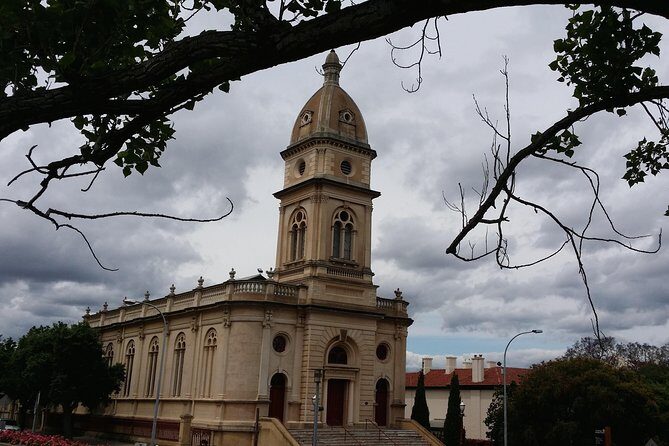
The final stop is the Former Congregational Church and Lecture Hall, where you learn about its history, previous usage, and current usage. Ending here is smart because it brings the story back to public spaces: places where communities gathered, learned, worshipped, and discussed ideas.
When you finish, you’ll likely look at the entire route differently. The tour isn’t just “pretty street pictures.” It’s a timeline you walked.
Architecture Clues You Can Actually Spot on the Street
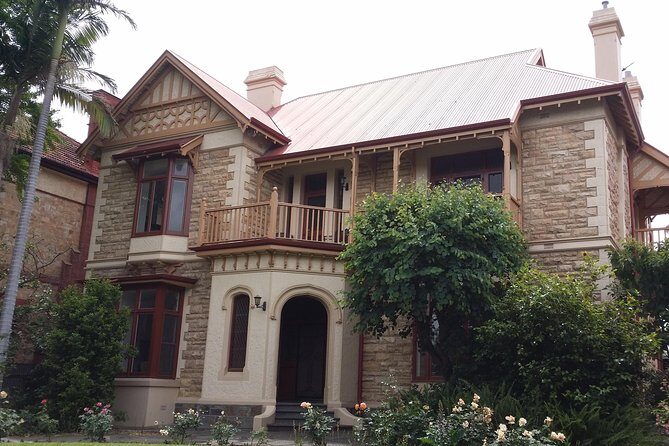
Even if you don’t know styles by name, the tour nudges you into noticing details you can use later—on this street and in other Australian cities.
Here are the big style cues you’ll get from the tour stops:
- Georgian: early colonial formality and proportion; often the vibe is neat, composed, and structured.
- Victorian: more ornate or craft-linked details, with stronger ties to the industrial era (you’ll hear about iron foundry work at one Victorian villa).
- Federation-style: a shift in domestic identity that shows changing ownership and tastes.
- Materials as clues: limestone and bluestone notes help you connect architecture to local building traditions and the era’s practical choices.
The best part is that the guide connects these cues to who lived where. That’s what turns style into meaning.
Small-Group Guides: What You Can Expect from the Storytelling
The tour’s success depends heavily on the guide’s ability to turn buildings into people. From past bookings, you can see a pattern: guides like Graeme are praised for passion about North Adelaide’s history. Ram is highlighted for making even a solo booking feel like a proper tour, on time and attentive. Bryan is noted for caring explanations and clarity about mansion histories.
That gives you a useful expectation. When you join, you’re not just buying a route map. You’re paying for someone to point at a facade and explain how it fits into Adelaide’s growth.
Weather, Timing, and How to Pair This with Other Sightseeing
This is a 10:00 am start and about two hours long. That makes it ideal for a morning plan where you want energy without burning the whole day.
Since the tour runs in all weather conditions, treat clothing like part of your plan. If it’s warm, bring water; if it’s cool or damp, wear layers you can walk in. You’ll be outside long enough that you don’t want to be surprised.
Also note the simple logistics: hotel pickup and drop-off aren’t included, and there’s no food or drinks. So I suggest you either eat before you meet or plan a café stop after you finish around Brougham Gardens.
Should You Book This Adelaide Walking Tour?
Book it if:
- you want a guided way to understand lower North Adelaide beyond the usual city highlights
- you like architecture explanations that point to real owners, occupants, and cultural influences
- you want an easy, small-group walk that can work for many ages (with adult supervision for children)
Skip it (or pick another option) if:
- you don’t want to walk for about two hours
- you need a tour with hotel pickup or built-in meals
For the value, I think this tour is strong. For under forty bucks, you get a structured route through multiple notable homes and community buildings, plus a local guide who helps you read the neighborhood. If you’re the type who likes your sightseeing with context, this one will make North Adelaide feel less like a collection of houses and more like a living story you can follow street by street.
FAQ
Where is the meeting point?
You meet at Da Vinci Ristorante, 10 O’Connell St, North Adelaide SA 5006.
What time does the tour start?
The tour starts at 10:00 am.
Where does the tour end?
The tour ends at Brougham Gardens (Park 29), opposite Brougham Place Uniting Church.
How long is the walk?
It’s about 2 hours.
What’s included in the price?
A local guide is included.
Is food or drink included?
No, food and drinks aren’t included.
Do I need hotel pickup or drop-off?
No. Hotel pickup and drop-off are not included.
How big are the groups?
It’s a small group experience, with a maximum of 20 travelers for the activity and a maximum of 15 people per booking.
Does the tour run in bad weather?
Yes, it operates in all weather conditions. Dress appropriately.
Is it okay for kids?
Children must be accompanied by an adult, and the tour is suitable for all age groups. It also requires moderate physical fitness.
Is there a cancellation window?
You can cancel for a full refund up to 24 hours before the experience starts.