REVIEW · ADELAIDE
Adelaide Central Markets: Food Walking Tour
Book on GetYourGuide →Operated by Flamboyance Tours · Bookable on GetYourGuide
If you like food with stories, this tour hits. You’ll walk the Adelaide Central Market with a guide who explains how a 150-year place became part of everyday Adelaide life, plus you get focused tastings along the way. I love how the tour blends history with real stallholder moments, and I also like that it’s short enough to fit smoothly into a first day in town.
For me, the biggest win is the guide. Katina, for example, shares market history and anecdotes, and even has a family connection to the market that makes it feel personal rather than scripted. One thing to consider: it’s not suitable for vegans, and the samples listed lean toward non-vegan items like cheese and the South American empanada.
In This Review
- Key highlights you’ll actually feel on the walk
- Why the Adelaide Central Market tour works in 1–90 minutes
- Finding the meeting point at the Grote Street entrance
- Katina-style storytelling: 150 years of market life in plain language
- What you’ll see as you walk: local produce plus world flavours
- Cheese sampling: when a small taste says a lot
- Boiled lolly: the sweet stop that makes the tour memorable
- South American empanada: a quick passport through food culture
- Discounts on future shopping: turn samples into a plan
- Price and value: is $48 fair for this kind of tour?
- Who this tour suits best (and who should skip it)
- What to bring so you can enjoy the walk (not just survive it)
- Quick rules of the experience: keep it comfortable
- Should you book the Adelaide Central Markets Food Walking Tour?
- FAQ
- Where do I meet for the tour?
- How long is the Adelaide Central Markets Food Walking Tour?
- How much does it cost?
- How many people are in the group?
- What tastings are included?
- Is the tour suitable for vegans?
- Is the tour wheelchair accessible?
- What language is the guide?
- What should I bring?
- Are there any limits on what I can bring or consume?
Key highlights you’ll actually feel on the walk
- Small group (up to 10 people) keeps it easy to ask questions and compare tastes.
- Katina-style stallholder storytelling ties food you’re tasting to the market’s 150-year story.
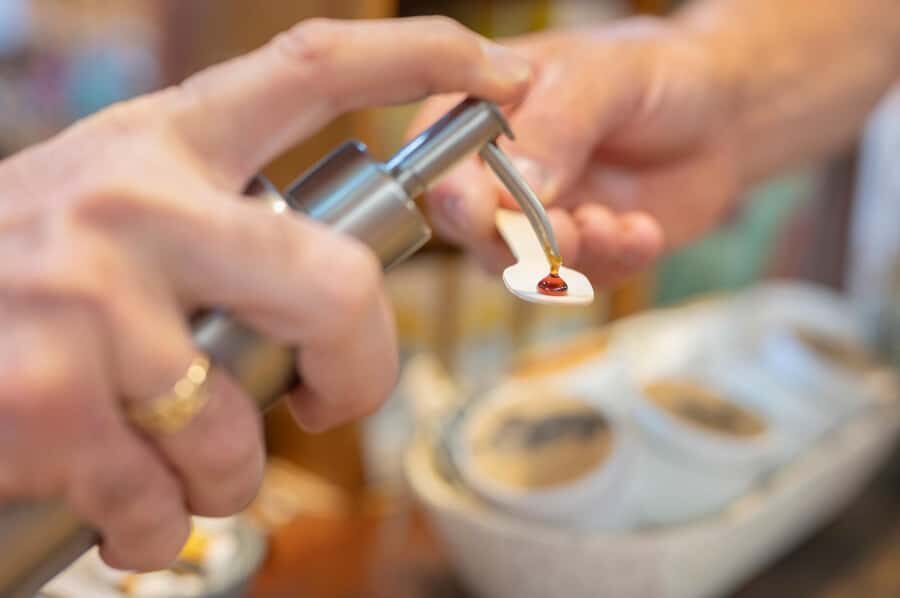
- Three set tastings—cheese, boiled lolly, and South American empanada—give a quick survey of flavours.
- Discounts on more purchases after the tour can turn sample bites into your actual breakfast or pantry plan.
- Wheelchair accessible route inside the market area, with comfortable pacing for most visitors.
Why the Adelaide Central Market tour works in 1–90 minutes
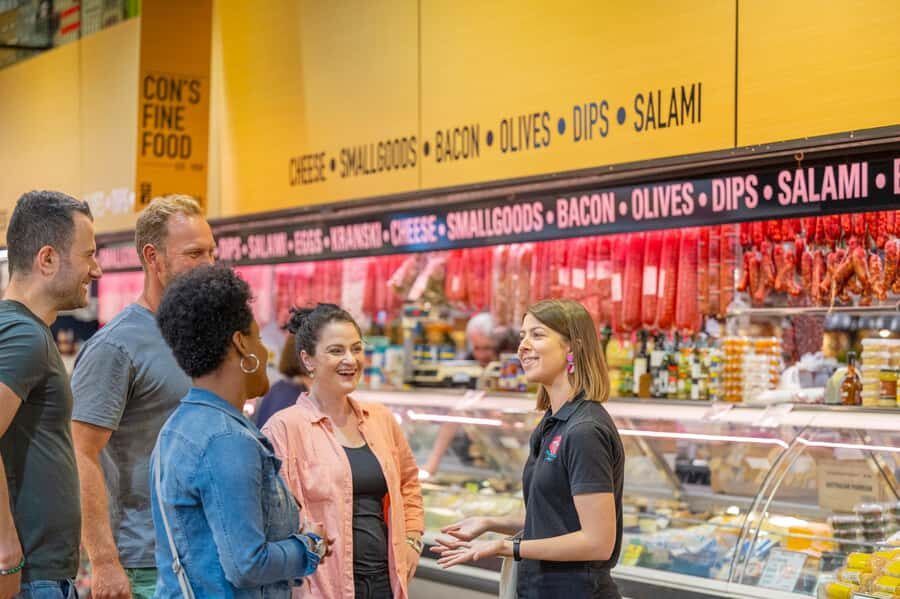
Adelaide Central Market is one of those places where you can easily wander for hours. The smart move here is choosing a guided walk that helps you understand what you’re looking at fast, without turning your day into a long project. With a duration of 1 hour to 90 minutes, you get a tight slice: a little context, a few tastings, and enough direction to shop with confidence afterward.
The tour’s format also matters. It’s a walking tour led by a live English-speaking guide, and the group stays small—limited to 10 participants. That combination is practical. You’ll hear the story behind the stalls without shouting over crowds, and you’ll be able to focus on tasting instead of constantly stopping to translate signage or guess what’s worth trying.
Finally, you’re not just collecting snacks. The tour aims to explain how stallholders shaped the market over time and how the market connects to Adelaide’s food culture today. If you care about why a place works—beyond what’s on the menu—this tour fits that mindset.
Other Adelaide Central Market tours reviewed in Adelaide
Finding the meeting point at the Grote Street entrance
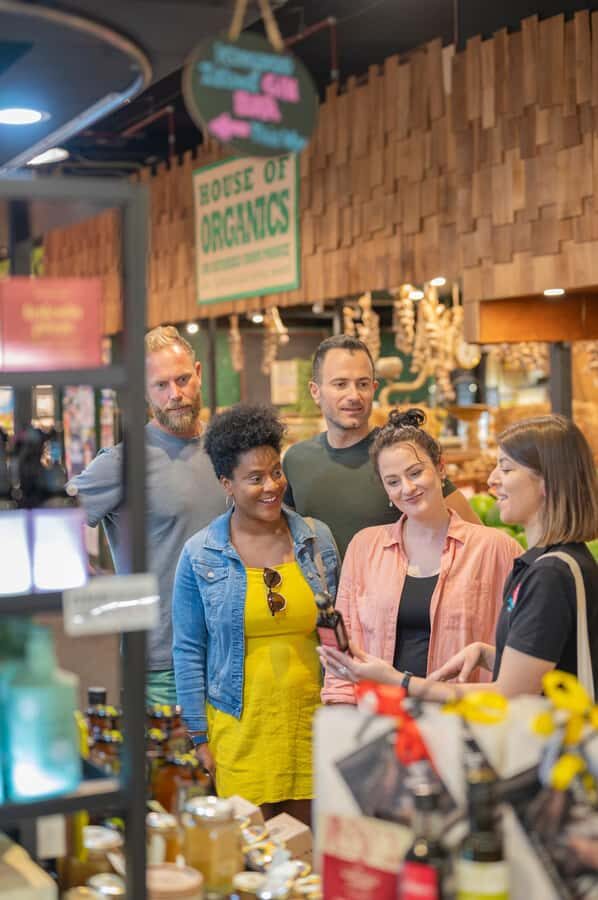
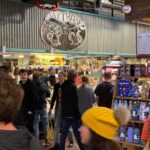
The meeting point is simple, and that’s a big deal when you’re on a schedule. Meet at the Grote Street market entrance, specifically by the pedestrian crossing. This matters because Adelaide Central Market can feel like a “choose-your-own-adventure” once you’re inside, so starting at the right entrance helps the tour begin smoothly and keeps you from spending the first 10 minutes figuring it out.
Once you’re there, you’ll fall into a short group line-up and get a sense of what the guide wants you to notice. Expect a normal market pace: enough walking to experience the space, but not so much that you burn all your energy before tastings.
Tip from a practical perspective: wear comfortable shoes. This is a food tour, but it’s still a market walk—your feet do the job while your taste buds cash the checks. Bring a hat, umbrella, sunscreen, and water too, because Adelaide sun can be relentless.
Katina-style storytelling: 150 years of market life in plain language

A market tour can go two ways: either it’s a slideshow of facts, or it’s a real-feeling walk through how people live and trade. This one leans toward the second approach. The guide shares the market’s 150-year history, but more importantly, she connects that timeline to the people behind the stalls—especially the stallholders who keep coming back, day after day.
In the guide role, Katina is mentioned as sharing a lot of history and anecdotes, and one review notes she has a family connection to the market. That kind of link tends to create better explanations. You’re more likely to hear why certain products or traditions matter, not just what the market used to be.
You’ll also get context for what makes Adelaide Central Market more than a tourist stop. The tour frames it as a long-standing community hub with ongoing influence on Adelaide’s food scene. That’s what transforms the experience from I ate something good to I understand why this place has staying power.
What you’ll see as you walk: local produce plus world flavours
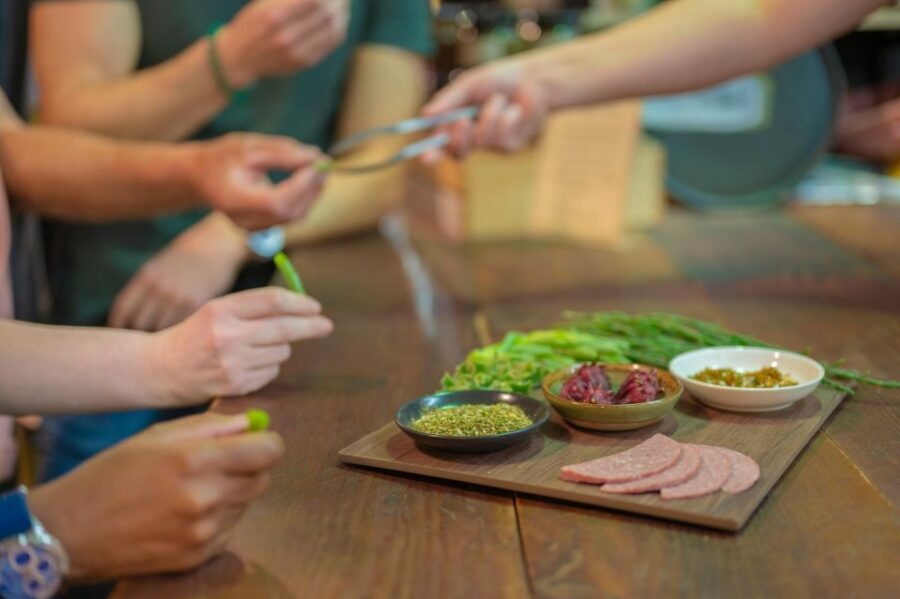
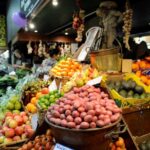
Even without a long list of named stalls, you’ll quickly get the market rhythm. You’ll pass through sections where everyday foods take centre stage—produce, prepared items, and pantry goods—along with the international side of the market’s flavour story.
This matters because the tour’s theme is a fusion of local and international flavours. You’re not only tasting Australian staples. You’re also tasting the influence of other food cultures that have found their way into Adelaide through the market system.
If you like to “learn by looking,” this walk gives you that. You’re moving through the same kinds of aisles you’d browse on your own, but with a guide pointing out the meaning behind what you’re seeing: the traditions, the customer habits, and how stallholders adapt over time.
Cheese sampling: when a small taste says a lot
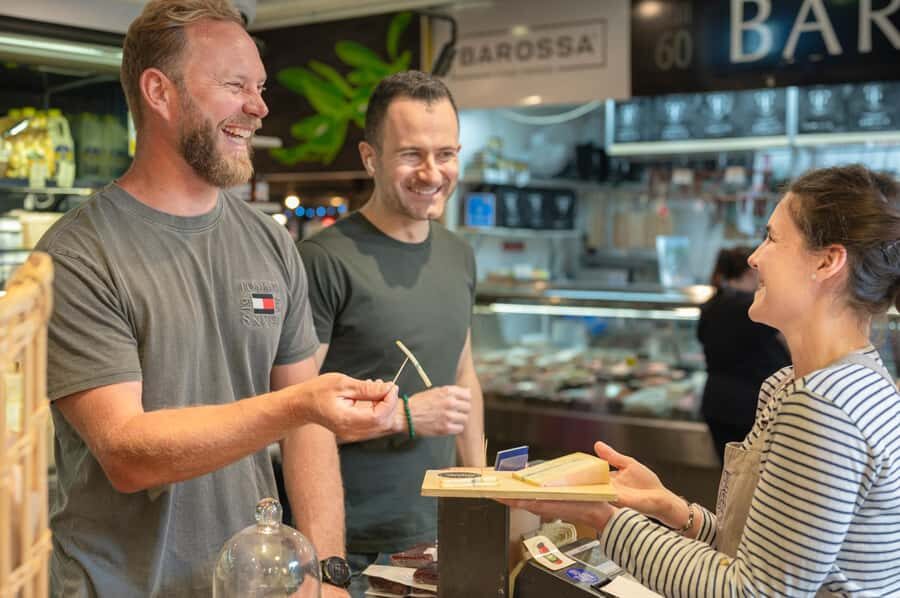
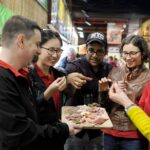
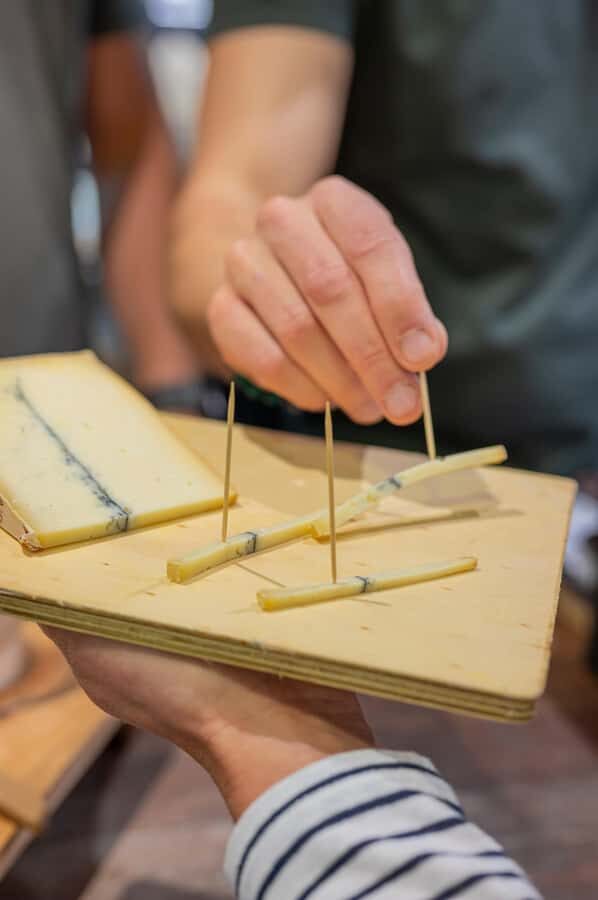
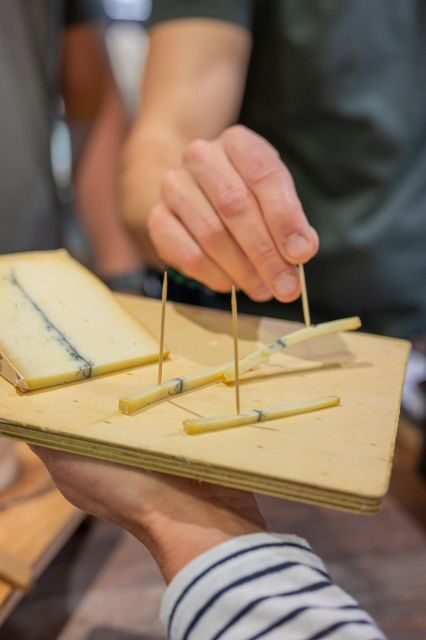
One of the included samples is cheese. For a market walk, cheese is an excellent choice because it can represent craft, sourcing, and local preferences in one bite. Even if you don’t consider yourself a cheese expert, this kind of stop helps you slow down and pay attention. You’ll taste a portion, learn why that cheese works in a market context, and get a sense of how stallholders build repeat customers.
The practical value here is that you’ll leave with a clearer idea of what to buy when you return to the market on your own. After a tasting like this, you’re not staring at options hoping for the best. You’re looking for the type of flavour you already met on the tour.
One caution: if you don’t eat dairy or you have dietary restrictions beyond vegan needs, you’ll want to check with the tour team directly. The tour data you have is specific about vegan unsuitability, but it doesn’t list other allergies or alternatives.
Other Adelaide walking tours reviewed in Adelaide





Boiled lolly: the sweet stop that makes the tour memorable
Another listed sample is boiled lolly. This is a smart inclusion because it’s the kind of flavour people remember later. It also reflects how markets aren’t only about savoury meals—they’re also about childhood favourites, quick treats, and the small everyday pleasures that keep a place human.
From a pacing standpoint, a sweet stop works too. Early in a walk, your senses are fresh. Later, it helps reset your palate so the next tasting doesn’t blur into the last one. That’s especially useful in a tour that lasts about an hour to ninety minutes, where you want every taste to land clearly.
If you’re shopping for family or want a simple souvenir that feels tied to the local experience, this is the kind of taste that does the job. You can also use it as a reference point when you spot similar sweets later in the market.
South American empanada: a quick passport through food culture
The third included sample is a South American empanada. This stop is where the tour’s “local plus global” promise becomes obvious. You’re tasting something that’s not part of your everyday routine, but you’re experiencing it in a market setting where international food cultures mix with local trade.
This matters because markets like this aren’t just selling items; they’re also acting like cultural connectors. The guide’s role is to help you understand how those flavours show up and why they fit into Adelaide’s market life.
Also, empanadas tend to be shareable and easy to appreciate. Even if you don’t usually try Latin American foods, you’ll likely find the flavours approachable. And because the tour includes it as a sample, you can compare it to other things you might encounter later without committing to a full purchase first.
Discounts on future shopping: turn samples into a plan
A nice practical detail: the tour includes discounts for further purchases. That’s one of those small add-ons that can change the value of a tour.
Here’s how it helps you. If you like what you’ve tasted, you can return to the market with more confidence and spend where you actually want. Instead of “maybe this stall is good,” you have a shortlist created by the guide’s tasting choices.
It also means the tour can function as a shortcut. You’re spending $48 on a guided taste sampler, then you’re using the discount to buy what you liked. For many visitors, that’s how you get the most out of a short market experience.
Price and value: is $48 fair for this kind of tour?
At $48 per person, this is not the cheapest “grab a snack” option in Adelaide. But it doesn’t pretend to be. You’re paying for a live guide, a small group (max 10), and structured tastings.
Here’s why the value can work well for you:
- You get a guided walkthrough tied to the market’s 150-year story (not just free roaming).
- You receive specific samples: cheese, boiled lolly, and South American empanada.
- You get discounts for further shopping, which can offset the ticket cost if you’re planning to buy anything at the market anyway.
When it might feel less worth it:
- If you already know the market well and you mostly want a long food crawl, you may find the tour too compact.
- One review notes the tour can feel somewhat basic if you’ve already discovered many of the items on your own.
So I’d frame it like this: pay the $48 if you want direction and quick context. Skip it if you’re already in “I’m browsing alone at my own pace” mode.
Who this tour suits best (and who should skip it)
This tour is a strong fit for you if you:
- Want a first-day Adelaide activity that helps you understand what the market is all about.
- Like learning through food—especially when a guide connects history to real stallholder stories.
- Appreciate a small group and an English-speaking live guide.
It’s also a good option if you want something family-friendly in spirit. The boiled lolly sample and market atmosphere tend to work well for a wide range of visitors.
Who should skip or be cautious:
- Vegans: the tour is not suitable for vegans based on the information provided.
- If you avoid dairy, you may need to confirm what’s offered, since one included sample is cheese.
- If you already plan to do your own market shopping with no interest in guided context, you might decide to go without a ticket.
What to bring so you can enjoy the walk (not just survive it)
Don’t show up under-prepared. The tour asks for the basics that make market walking comfortable:
- Comfortable shoes
- Hat
- Umbrella
- Sunscreen
- Water
- Comfortable clothes
This is especially helpful if you’re visiting during warmer months or if Adelaide weather does that classic switch-up. The guide can’t change the sun or the shade, so your gear matters.
Quick rules of the experience: keep it comfortable
Two practical notes are listed:
- Alcohol and drugs are not allowed.
- The tour is led live in English.
That’s mostly about keeping the experience family-friendly and safe. It also means the tone should stay on food, stories, and questions rather than anything disruptive.
Should you book the Adelaide Central Markets Food Walking Tour?
I think you should book it if you want a guided, small-group introduction to Adelaide Central Market with built-in tastings and a guide who connects food to the market’s 150-year story. Katina’s style—history plus anecdotes, and a personal family link to the market—sounds like the exact kind of ingredient that makes a short tour feel worth it.
I would not book it if you’re vegan, or if you already plan to do a long self-guided browsing session and you don’t want structured stops. This is a tasting walk that gives you direction, not a full-day market marathon.
If you’re deciding today: this tour is best when you’re arriving with curiosity and want your first taste of the market to come with context.
FAQ
Where do I meet for the tour?
Meet at the Grote Street market entrance by the pedestrian crossing.
How long is the Adelaide Central Markets Food Walking Tour?
It runs for 1 hour to 90 minutes, depending on availability and starting time.
How much does it cost?
The price is $48 per person.
How many people are in the group?
The group is limited to 10 participants.
What tastings are included?
The sample list includes cheese, boiled lolly, and a South American empanada.
Is the tour suitable for vegans?
No, the tour is not suitable for vegans.
Is the tour wheelchair accessible?
Yes, it is listed as wheelchair accessible.
What language is the guide?
The live tour guide speaks English.
What should I bring?
Bring comfortable shoes, a hat, an umbrella, sunscreen, water, and comfortable clothes.
Are there any limits on what I can bring or consume?
Alcohol and drugs are not allowed.
If you want, tell me your travel dates and whether you’re visiting as a couple or with family, and I’ll help you decide whether this is the best market stop for your schedule.