REVIEW · ADELAIDE
Discover Victor Harbor Walking Tour
Book on Viator →Operated by Victor Harbor Walking Tours · Bookable on Viator
A short walk, with big stories behind it. This Victor Harbor experience links the Causeway and Encounter Bay to the town’s port growth, then follows the heritage streets where early settlers left a mark. I especially like how it mixes practical town layout with human-scale tales, so you’re not just seeing buildings—you’re understanding why they’re there.
You’ll also get clear highlights at each stop: the meeting of Captains Flinders and Baudin and how goods once moved between the port and the Northern Hemisphere. The tour stays tight at about 1 hour 30 minutes and works well for a quick, structured orientation if you want more meaning than a beach stroll.
The only real drawback is simple: it’s a walking tour, so if you’re sensitive to uneven pavement or weather, you may want to plan your timing carefully—good conditions matter.
In This Review
- Key highlights worth your time
- Start at the Esplanade tramway: a town made for a good first loop
- Stop 1 at the Causeway: Encounter Bay views plus Flinders and Baudin
- A quick church stop that explains who built the town
- Warland Reserve: where port history turns into a sense of purpose
- Railway Terrace: early settlers’ lives, not just their names
- Coral Street and the original Town Hall: where culture took root
- Price and logistics: $25.10 for 90 minutes that actually connects
- What makes this tour feel like more than a route
- Who should book this, and who might want to pass
- How to get the most out of your Causeway-to-Coral-Stroll
- Should you book the Victor Harbor walking tour?
- FAQ
- How long is the Discover Victor Harbor Walking Tour?
- How much does it cost?
- Where does the tour start and end?
- What are the main stops during the walk?
- Is it a small group?
- What if the weather is poor?
Key highlights worth your time
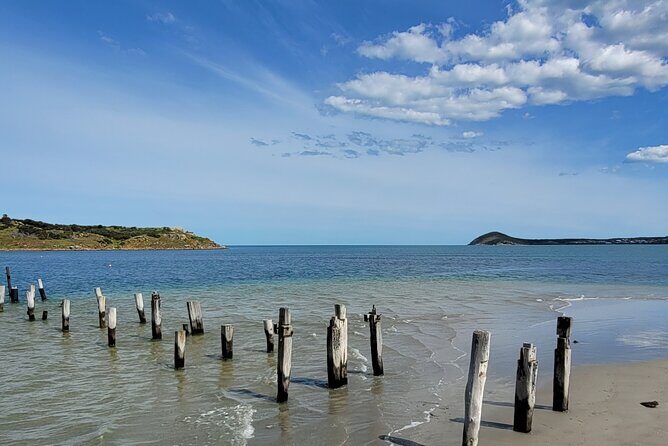
- Causeway start with big Encounter Bay views and the Flinders–Baudin story right at the water
- Heritage stops at key corners like Warland Reserve, Railway Terrace, and Coral Street
- Port history that explains the town’s direction as a shipping hub (not just dates on plaques)
- Small group size (up to 12), which makes it easier to hear and ask questions
- Ends at Coral Art Centre, a handy finish point if you want to extend your day around town
Start at the Esplanade tramway: a town made for a good first loop
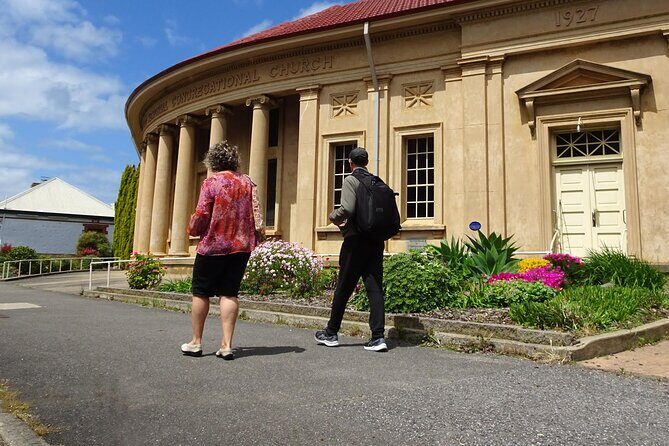
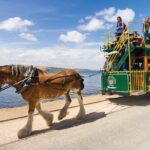
Victor Harbor can feel easy to explore on your own, but I like the way this tour gives you a map in words. You begin at the Victor Harbor Horse Drawn Tramway on the Esplanade. That matters because it sets the tone: you’re starting where the town’s old transport identity is still visible, not someplace random.
The tour runs about 1 hour 30 minutes in total, so it’s long enough to connect ideas, but short enough that you don’t lose the rest of your day to footwork. The group is kept small (maximum 12), which helps the guide keep everyone together and makes it easier to hear the stories as you move.
If you’re the type of person who likes understanding place-names and street corners, this is a good fit. Victor Harbor’s charm isn’t only in the scenery; it’s in how the town grew around shipping, culture, and the coast’s constant presence.
Other Adelaide walking tours reviewed in Adelaide



Stop 1 at the Causeway: Encounter Bay views plus Flinders and Baudin
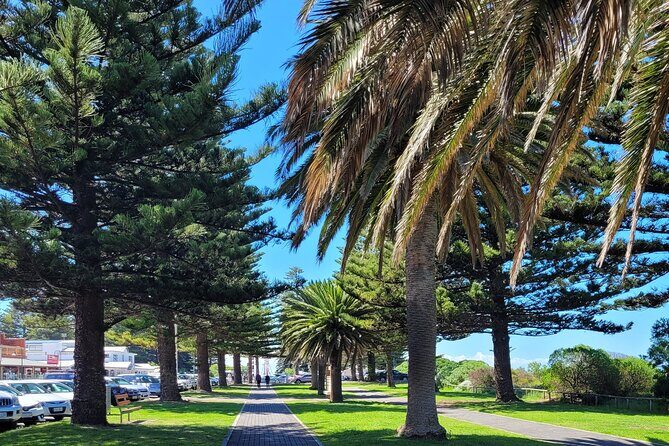
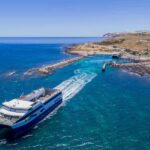
The tour’s first moment of wow is right away at the Causeway, near Granite Island. You’ll stroll along the Granite Island Causeway and take in wide views over Encounter Bay. Even if you’ve seen photos, it hits differently in person because you can sense the coastline the ships would have faced.
The story piece here is the meeting of Captains Flinders and Baudin. That detail turns the water from background scenery into a historical scene. It’s the kind of moment that makes your later stops make more sense, because it frames Victor Harbor as a place on the route of important exploration—right from the start.
Practical note: this segment is short (around 10 minutes), but it’s also the most view-dependent part of the walk. If the weather is clear, you’ll likely enjoy it more. If it’s windy or rainy, you’ll still get the story, but you may wish you’d brought a light layer and something with traction.
A quick church stop that explains who built the town
From the coast you shift inland to the Newland Memorial Uniting Church. This isn’t a slow, museum-style stop; it’s a focused look at early European settlement and the way those first communities shaped Victor Harbor’s development.
I like this stop because it prevents the tour from becoming only about ships and buildings. Town growth is also about people setting up institutions—churches, schools, civic spaces—and that’s what this stop helps you connect.
It also works well for understanding the town’s age without getting stuck in heavy details. You get a clear thread: settlement → community structures → the shape of a growing port town.
Warland Reserve: where port history turns into a sense of purpose

Next you’ll be at Warland Reserve, and this is where the tour leans into Victor Harbor as a port. You’ll hear about the town’s history through the lens of shipping, including the early transport of goods sent toward the Northern Hemisphere.
That may sound like a big, distant concept, but the way it’s presented helps you picture the real daily reality: people organizing work, moving supplies, and relying on the coastline to connect Victor Harbor to broader trade routes. When a guide frames port history like this, you stop seeing it as trivia and start seeing it as the reason the town exists in its current form.
One reason this stop lands is that it’s paced. It’s about 10 minutes, long enough for the main ideas, short enough that you’re not standing around while the rest of your day waits behind you.
If you enjoy maritime history or simply want to understand why a coastal town is laid out the way it is, this is a key stop.
Railway Terrace: early settlers’ lives, not just their names

After Warland Reserve, you head to Railway Terrace for more stories about early settlers and how they lived. Here the focus shifts from what the town shipped to what people did with their hands and time.
I appreciate this balance. A lot of history walks can turn into a list of landmarks. This one adds texture by talking about daily life—so the heritage-listed buildings and street layout feel connected to human routines, not just architecture.
This stop is also a good one for photos, because Railway Terrace gives you a sense of how the older parts of Victor Harbor sit in relation to the rest of town. You can glance down streets and start imagining where goods and people moved before cars and modern transport existed.
At around 10 minutes, it stays manageable. If you’re traveling with kids or you’re on a tight schedule, this pacing keeps the tour from dragging.
Other Victor Harbor and Fleurieu Peninsula tours reviewed in Adelaide



Coral Street and the original Town Hall: where culture took root
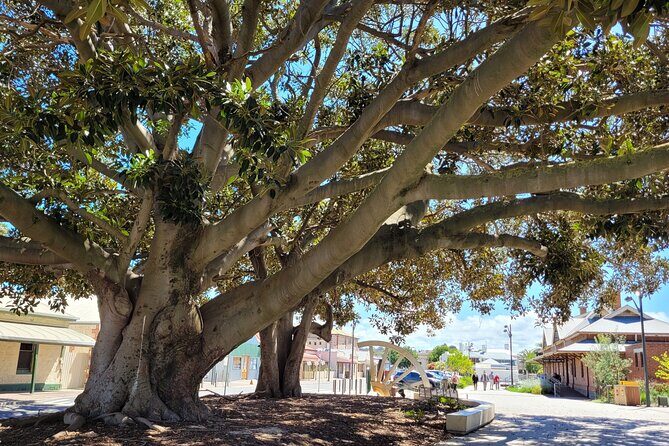
The final stop is at Coral Street, outside the original Town Hall and Library of Victor Harbor. The tour uses this point to explain the development of cultural life in the early days—how a growing settlement built spaces for learning, community events, and civic identity.
This is a strong way to end, because it answers a question a lot of people have without realizing it: if Victor Harbor was important as a port, what else was it building besides shipping?
The tour wraps up here, and your walking journey ends at the Coral Art Centre at 10 Coral St. That’s convenient because it gives you a clear end point that’s easy to remember, and it helps you transition smoothly into whatever you want next—another quick wander, lunch nearby, or adding on an extra cultural stop.
Price and logistics: $25.10 for 90 minutes that actually connects
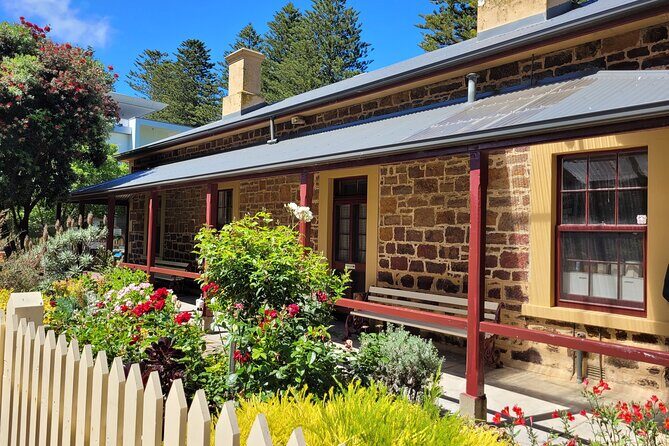
At $25.10 per person, this is priced as a value-oriented walking tour rather than a full-day excursion. I like that it’s structured to deliver more than a casual “see the sights” route. You’re paying for interpretation: the stories that connect Encounter Bay, the Causeway, port growth, transportation, and civic culture.
Duration is about 1 hour 30 minutes, which is ideal for a short trip. You can do this in the middle of a day and still have time for the things Victor Harbor is known for—without spending most of your visit on your feet.
Another practical plus is the small group limit (12) and the fact that the tour uses a mobile ticket. Less friction means you spend your energy on the walk, not the admin.
One more note: the tour runs with the idea that you’ll have good weather. If it’s rainy, you may want to check plans day-of. Even a great tour can feel less enjoyable if you’re getting soaked on a Causeway section.
What makes this tour feel like more than a route
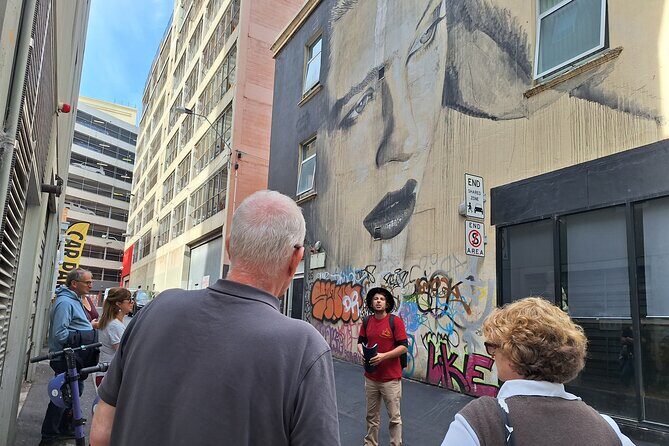
The standout quality here is how the tour connects themes. It doesn’t jump randomly between buildings. It moves in a logical flow:
- First you’re at the coast, hearing about major encounters tied to the sea.
- Then you’re shown settlement influence at a church.
- After that, you zoom in on port growth and how goods moved beyond the region.
- Then you get the human side—what early settlers’ lives could have looked like.
- Finally, you land on civic culture at the original Town Hall and Library area.
That arc makes it easier to remember what you’ve seen, because each stop explains the next one. If you’ve ever done tours where the facts feel disconnected, this one is built to avoid that.
The tour also highlights heritage-listed buildings along the way, and it even includes references to local wildlife you might notice as you walk. That small touch is useful because it nudges you to look up from the pavement now and then.
Who should book this, and who might want to pass
I’d say this is perfect for you if you want:
- A quick way to understand Victor Harbor’s past in 90 minutes
- Coastal views plus street-level stories
- A guided route with stops that are spaced well enough to keep energy up
It’s also a good match if you’re traveling with someone who likes history but doesn’t want a long, lecture-style format.
You might consider a different plan if:
- You dislike walking tours or need long breaks
- You’re visiting in bad weather and don’t want to risk a coastal portion being uncomfortable
How to get the most out of your Causeway-to-Coral-Stroll
A few practical moves will help you enjoy it more:
Wear shoes that handle coastal paths and town sidewalks. You’ll be moving between stops with short waits at each one, so comfy grip matters.
Bring a small layer. Coastal weather in South Australia can shift fast, and even if the day looks fine at the start, conditions near the water can change.
Arrive ready to look. Victor Harbor’s best “source material” is visible around you: street details, building shapes, and sea views. If you treat the walk like a gentle guided observation session, the stories stick better.
If you’re the type who likes to follow up, use the end point—Coral Art Centre—as your next stop. It’s a tidy transition from history talk into something you can explore at your own pace.
Should you book the Victor Harbor walking tour?
If you’re spending a day in Victor Harbor and you want more than scenery, I think this is an easy yes. You get a compact route that hits the key anchors—Encounter Bay and the Causeway, settlement influence at Newland Memorial Uniting Church, the port story at Warland Reserve, everyday life on Railway Terrace, and cultural roots around Coral Street. The pace suits short itineraries, and the small group size makes it feel more personal.
Book it if you like guided context and you want to leave with a clearer sense of why Victor Harbor developed the way it did. Skip it only if walking in possibly changeable coastal weather would be a struggle or if you already know the town’s history and prefer self-guided wandering.
FAQ
How long is the Discover Victor Harbor Walking Tour?
It lasts about 1 hour 30 minutes.
How much does it cost?
The price is $25.10 per person.
Where does the tour start and end?
It starts at Victor Harbor Horse Drawn Tramway, Esplanade, Victor Harbor SA 5211 and ends at 10 Coral St, Victor Harbor SA 5211, at the Coral Art Centre.
What are the main stops during the walk?
The tour includes stops at the Causeway/Encounter Bay area, Newland Memorial Uniting Church, Warland Reserve, Railway Terrace, and finishes at Coral Street near the original Town Hall and Library.
Is it a small group?
Yes. The tour has a maximum group size of 12 travelers.
What if the weather is poor?
This experience requires good weather. If it’s canceled due to poor weather, you’ll be offered a different date or a full refund.