REVIEW · ADELAIDE
Adelaide: Surfing Lesson at Middleton Beach with Equipment
Book on GetYourGuide →Operated by Surf & Sun Pty Ltd · Bookable on GetYourGuide
First time on a surfboard is a big deal. This 2-hour group lesson at Middleton Beach shows you how to surf step by step, with a coach focused on surf safety and getting you standing in real waves on the Fleurieu Peninsula. I love the hands-on rhythm: quick beach instruction, then straight into the water. I also love the way the coaching is described as calm and focused, giving you just enough to improve without drowning you in info. One drawback to plan for: conditions can turn on you, so if the ocean feels rough on the day, expect it to affect how comfortable the session feels.
You’ll start by getting fitted for a wetsuit and the right board size, then learn fundamentals on the sand before moving into the surf. For a lot of first-timers, the timing hits a sweet spot: not too short to learn anything, not so long that you’re cooked by the end. Just know this is designed for beginners, and it is not set up for kids under 7 or for non-swimmers.
In This Review
- Key reasons this lesson works
- Middleton Beach: why this stretch is good for your first session
- The gear part: fitted wetsuit, rash shirt, and soft board that lowers the risk
- From sand to waves: how the lesson teaches the fundamentals first
- In the water: standing up, staying safe, and learning through real attempts
- Equipment + coaching + take-home videos: the value math on $41
- What the 2-hour flow feels like (and how to get the most from it)
- Who this is perfect for (and who should choose another option)
- Tips so you stand up sooner (without overthinking it)
- FAQ
- FAQ
- Where do we meet for the lesson?
- How long is the surf lesson?
- What surf gear and clothing are included?
- What should I bring with me?
- Is this lesson suitable for non-swimmers?
- What is the minimum age for participants?
- Is the instructor English-speaking?
- Should you book this Middleton Beach surf lesson?
Key reasons this lesson works
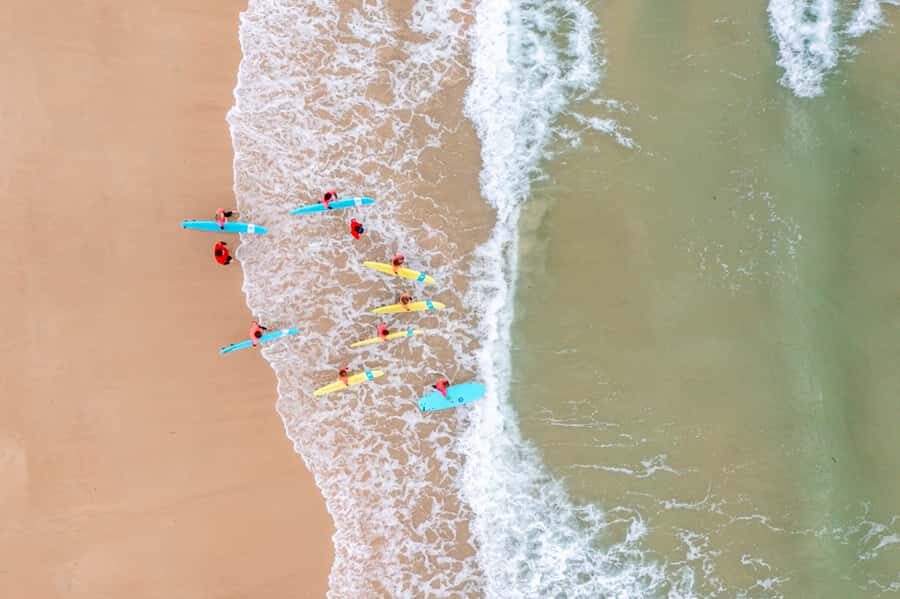
- Modern soft-gear setup: wetsuit, rash shirt, and soft surfboard that’s used on a 12-month rotation
- Real surf safety coaching: rules and behavior in the water first, not last
- Beach-to-waves teaching flow: learn fundamentals on land, then apply them right away
- Focused, confidence-building cues: tips that help you try one thing at a time
- Motivation that stays practical: encouragement for small wins, even when conditions aren’t perfect
Middleton Beach: why this stretch is good for your first session
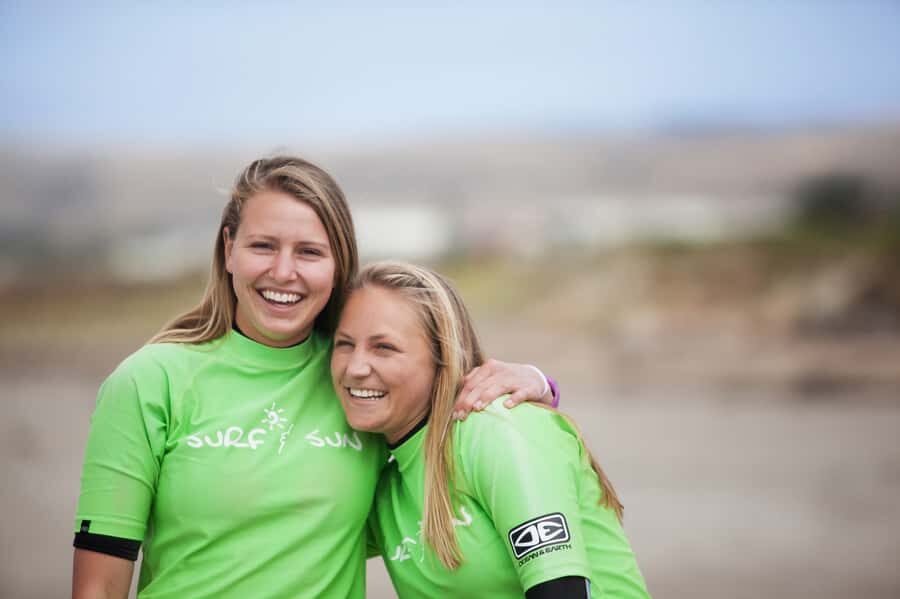
Middleton Beach sits on the Fleurieu Peninsula, close enough to Adelaide for a day trip, but still feels like a proper ocean escape. The big advantage for beginners is simple: you get a dedicated beach learning setup where the lesson can move from instruction to action without a long scramble.
The whole session is built around teaching you how to behave in surf before you try to conquer it. That matters, because your first goal isn’t “master the wave.” It’s getting comfortable with the rules of the water, paddling without panic, and learning how your body should move when a set comes through.
Also, be ready for the fact that the sea can vary. One person noted algae concerns and ended up feeling unwell after time in the water. Another mentioned the conditions were rough but the coach kept the group safe. Your takeaway: you should take cues from your instructor immediately, and if you feel off, let someone know right away.
Other Glenelg cruises and beach tours reviewed in Adelaide



The gear part: fitted wetsuit, rash shirt, and soft board that lowers the risk
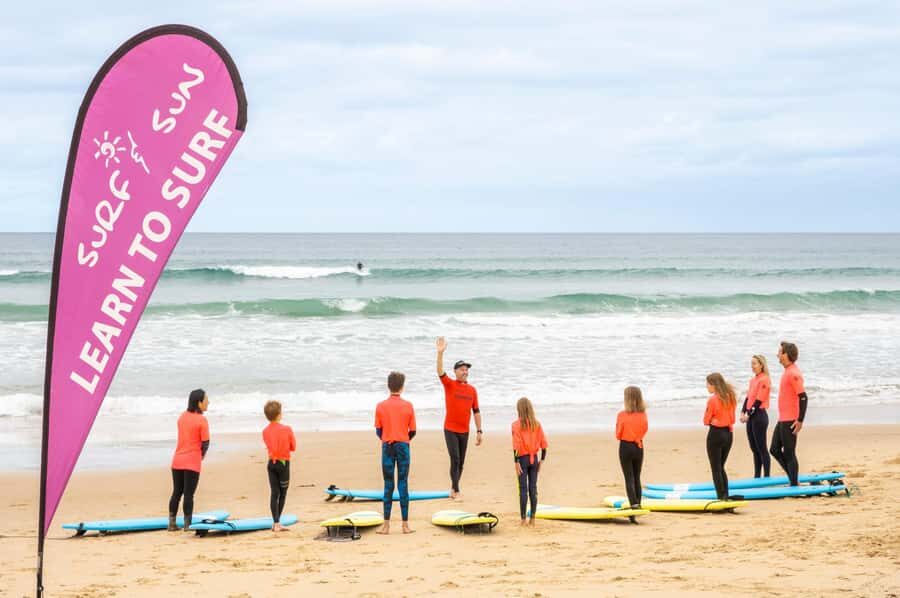
This lesson includes everything you need to suit up: a wetsuit, a rash shirt, suncream, and a soft surfboard. Before the class begins, you’ll get fitted for a wetsuit and board size. That may sound basic, but it’s a huge deal for first-timers. When your board fits better and your suit keeps you warm enough to stay focused, your brain spends less time worrying and more time learning.
The surfboards and wetsuits are on a 12-month rotation policy, which means you’re not dealing with tired, beat-up gear that’s past its best. Soft boards are designed to be more forgiving than hard boards, so you get more chances to practice the “pop up” movement without the same level of harshness that comes with tougher equipment.
What to bring is straightforward:
- Swimwear (so you can get into the wetsuit)
- A towel
- Water
Even if you’re only in the ocean for a couple of hours total, you’ll feel the wind and sun. Having water and a towel ready keeps the day from getting annoying at the edges.
From sand to waves: how the lesson teaches the fundamentals first
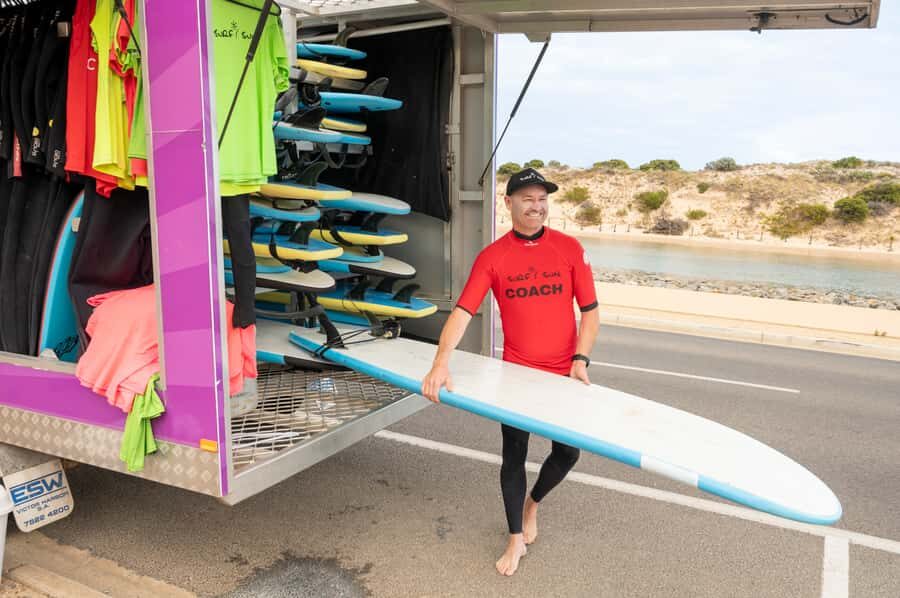
The lesson starts on the beach. This is where the instructor builds your safety and technique baseline, before you’re flung into waves and asked to figure things out by instinct.
You can expect a focused progression like:
- Start with key surf fundamentals on land (how to move, what to do in the right moments)
- Learn the basics of surf safety and water behavior
- Then shift to the water so you can apply what you just practiced
That beach stage is where you avoid the most common beginner trap: trying to “send it” before you understand how to position yourself and what to do when sets arrive. When the instructor keeps it short and practical, you get fewer competing ideas and more real attempts.
One of the best signals from the coaching style is that some people said they were given just a few tips, not a pile of information. That’s exactly what you want. If you’re learning to surf, your job is to try, fail a little, and improve. Too much talk can shut that down.
In the water: standing up, staying safe, and learning through real attempts
Once you hit the water, the lesson becomes about getting you to experience how waves and timing work for you. The goal isn’t perfection. It’s progress you can feel during the session.
A few themes show up in how the coaching is described:
- The coach actively supports beginners so you can get your first waves
- You’re guided to one or a small number of key things at a time
- The coach helps you in a way that still leaves you freedom to try on your own
That balance is important. If every movement is controlled for you, you don’t learn how to adapt. If you get zero feedback, you keep repeating the same mistake. The best version is: you get enough structure to stay safe, and enough room to own your attempts.
Safety is also treated as a core lesson, not a footnote. Before paddling into real surf, you’ll learn how to behave so you don’t put yourself or others at risk. That’s a big reason this works well for beginners, including people new to non-swimming sports nerves.
One thing to keep in mind: group size and coach-to-student ratio can affect how much time you get for direct help. In one experience, a group felt under-staffed with fewer coaches than ideal when numbers were high. If you’re booking for a very large group of friends, it’s worth understanding that group coaching is usually optimized for standard class sizes, but every session’s staffing can vary.
Equipment + coaching + take-home videos: the value math on $41
At $41 per person for a 2-hour lesson, you’re paying for three things at once: gear, instruction, and coaching feedback inside the surf environment. Because the lesson includes a wetsuit, rash shirt, soft board, and suncream, your “lesson cost” isn’t just talking time.
The other value lever is the take-home learning package. After booking, you receive 3 e-books and instructional videos that focus on basics you can practice at home. That’s especially helpful because the first time surfing can be mentally loud. You might not remember every cue in the moment, but you can revisit the basics later.
If you’re comparing options, this format tends to be best when:
- You want a guided introduction to surfing rather than guessing at beach skills
- You want safety instruction from someone who’s used to beginners
- You value practice time in the water over a long lecture
And it’s not just for adults. One experience highlighted that kids loved it, which suggests the session is designed to keep energy up and support learning with encouragement. Just remember the age rule: it’s not suitable for children under 7.






What the 2-hour flow feels like (and how to get the most from it)
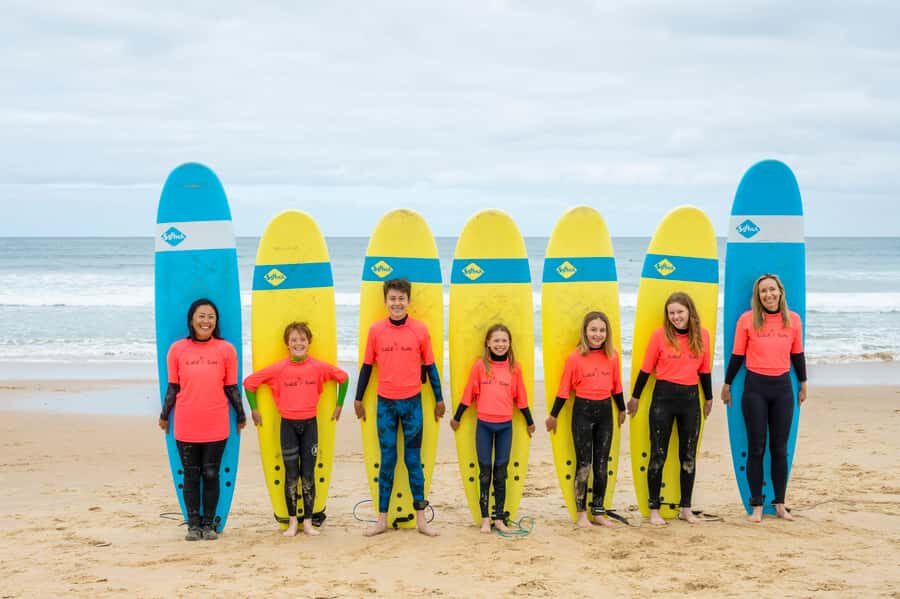
You’ll be working in a tight time window, so it helps to know the shape of the class.
From start to finish, expect:
- Meeting at the beach parking lot at the end of Chapman Road, Middleton
- Getting fitted for your wetsuit and surfboard
- Starting on the beach for surf fundamentals and safety guidance
- Moving into the water for waves, coaching support, and repeated attempts
Because you’re learning in multiple stages, you’ll get “wins” in different ways:
- Sometimes the win is catching a wave
- Sometimes it’s positioning correctly
- Sometimes it’s simply staying calm when the ocean pushes back
A nice detail in how coaching is described is that progress is celebrated even when it’s small. That sounds soft, but it’s practical: when you’re first learning, the difference between quitting and trying again is often motivation after a failed attempt.
To get the most from the session, bring what you need so you’re not stuck drying off, searching for water, or dealing with comfort issues. If you can stay comfortable, your learning improves.
Who this is perfect for (and who should choose another option)
This is built for beginners. It works whether you come solo or bring friends, and it’s taught by an English-speaking instructor.
It’s also clearly not a fit for everyone:
- Not suitable for children under 7
- Not suitable for non-swimmers
If you’re comfortable in the water and you’re excited to learn the basics in a structured, coach-led way, this is a strong match. It’s also a good choice if you’re the type who learns best by doing instead of watching.
If you have specific sensitivities—seaweed, cold water, motion sickness—be honest with yourself. One person flagged algae concerns and then felt unwell after the lesson. You don’t need to assume it will happen to you. But you should treat your comfort as real information, and listen to the instructor if conditions are tougher than expected.
Tips so you stand up sooner (without overthinking it)
You don’t need fancy gear. The lesson provides the soft board and the wetsuit fit. Your job is to show up ready to move.
Here are practical things you control:
- Wear swimwear and come with a towel ready
- Bring water so you don’t run dry before or after the waves
- Pay attention during the beach safety portion. It sets you up to relax in the water
- When the coach gives one or two cues, try to focus on those cues for your next attempt
A lot of first-timers try to change everything at once. That’s exhausting. A better approach is to treat each wave as a single-step practice: paddling, then standing, then balancing. If you miss, you still learned something.
FAQ
FAQ
Where do we meet for the lesson?
Meet at the beach at the parking lot located at the end of Chapman Road, Middleton.
How long is the surf lesson?
The duration is 2 hours.
What surf gear and clothing are included?
The lesson includes an instructor, surf lesson, soft surfboard, wetsuit, rash shirt, and suncream.
What should I bring with me?
Bring swimwear, a towel, and water.
Is this lesson suitable for non-swimmers?
No. It is not suitable for non-swimmers.
What is the minimum age for participants?
Children under 7 years are not suitable.
Is the instructor English-speaking?
Yes, the instructor is English.
Should you book this Middleton Beach surf lesson?
If you want a beginner-friendly introduction that mixes surf safety, real time in the water, and gear included, I think this one is worth your attention. The $41 price makes sense when you factor in wetsuit fitting, soft boards, and a coach-led progression that doesn’t waste your 2 hours.
Book it if you can swim, you’re okay with changing ocean conditions, and you’d rather learn by trying than by guessing. Skip it if you’re not comfortable in the water or if your comfort around sea conditions is a concern you can’t manage. In the right mood, you’ll leave with something concrete: the basic moves, the safety mindset, and the confidence to book a follow-up session and keep improving.